


This article was automatically translated from the original Turkish version.
+2 More
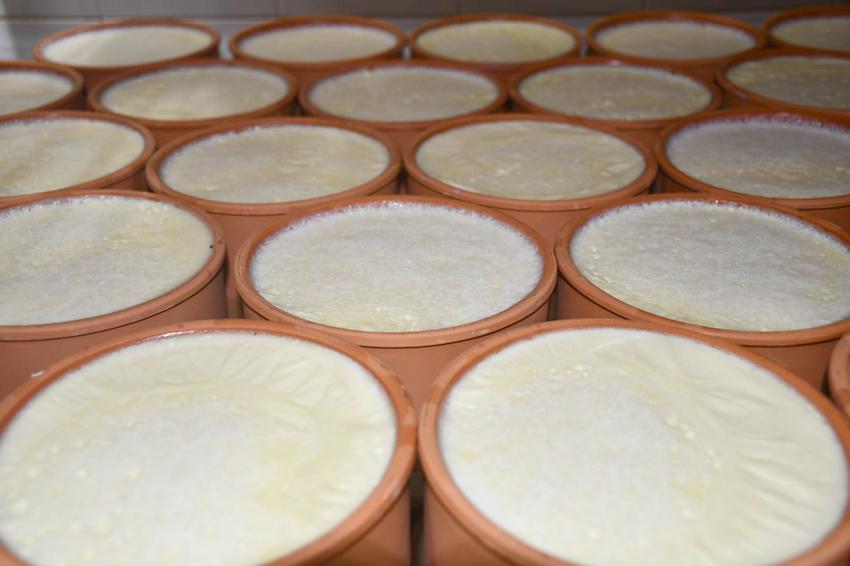
Silivri yogurt is a traditional dairy product with a geographical indication, produced exclusively in the Silivri district of Istanbul, Türkiye. Made from cow, sheep, or buffalo milk, or specific blends of these milks, this yogurt is distinguished by its pale yellow color, thick consistency, and especially its rough, thick layer of cream. Silivri yogurt, produced using both traditional and industrial methods, undergoes a special secondary heating process known as “cream cooking,” which imparts its unique texture. Dating back to the 1870s, this product has a strong association with the region due to its distinctive production techniques and locally sourced milk, with all stages of production carried out within the defined geographical boundaries.
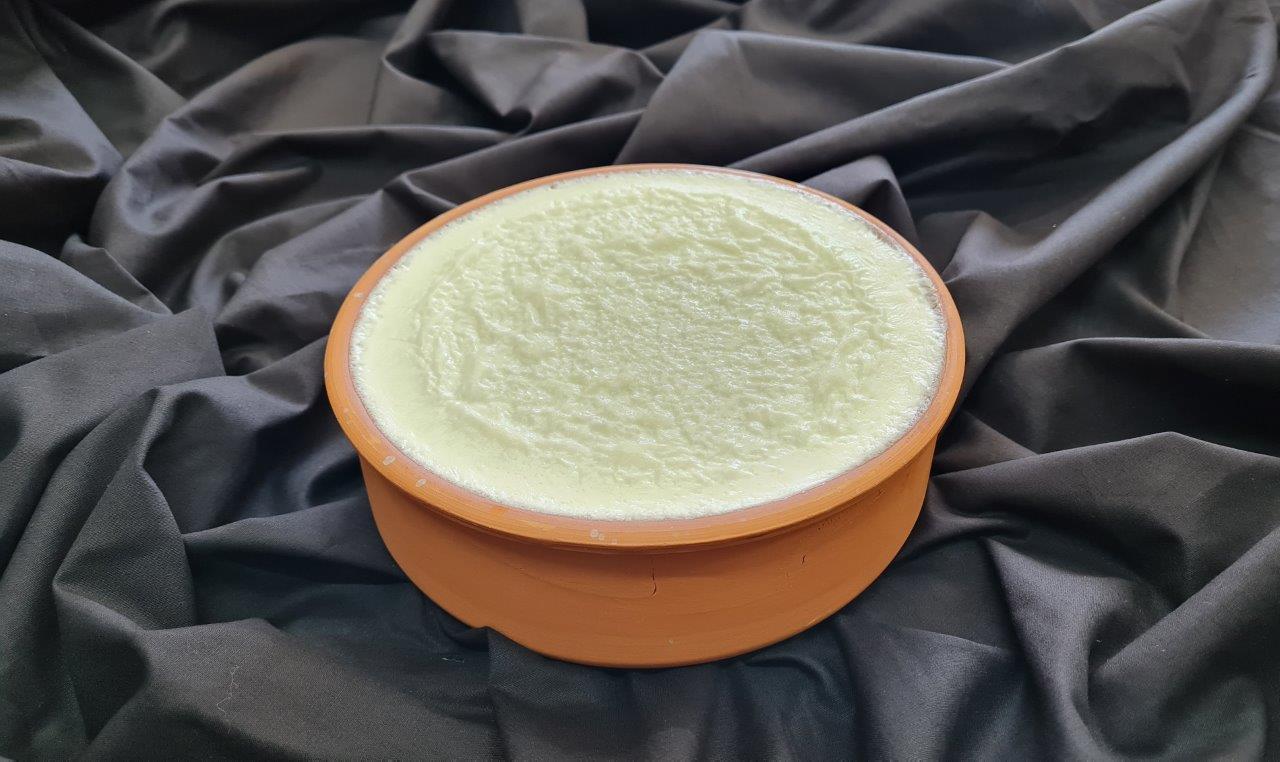
Silivri Yogurt (Türk Patent)
Silivri yogurt is a geographical indication dairy product produced in the Silivri district of Istanbul, Türkiye, using traditional and industrial methods, and characterized by distinctive qualities. It was officially registered on 27 July 2022 under registration number 1180, with the Silivri Municipality as the registering authority. The geographical indication application was submitted on 31 December 2021, and the product was granted protection under the name Silivri yogurt.
Silivri yogurt is produced only within the administrative boundaries of the Silivri district of Istanbul. All production, processing, and other operations take place within this geographical limit, and the milk used is sourced exclusively from cows, sheep, and buffaloes raised in the district. The product or its packaging must bear the official logo and geographical indication emblem labeled “Silivri yogurt.” In cases where these marks cannot be displayed on the product or packaging, they must be prominently displayed within the production facility.
Silivri yogurt is made from cow, sheep, or buffalo milk, or from blends of 50% cow and 50% sheep milk or 50% cow and 50% buffalo milk. The product is characterized by its pale yellow color, thick consistency, and a rough, thick layer of cream on its surface. The thickness and rough texture of the cream layer result from the “cream cooking” stage, which is unique to both traditional and industrial production methods.
The properties of the yogurt vary according to the type of milk used:
The origins of Silivri yogurt date back to the 1870s. At that time, yogurt produced exclusively in Silivri’s yogurt houses was transported by sea to Istanbul for distribution. Complaints arose during transport due to the cream layer being disturbed by jostling, prompting the development of region-specific production methods to preserve the cream. Starting in the 1930s, this yogurt began to be shipped to other major cities such as İzmir and Ankara, establishing its strong geographical association.
Silivri yogurt is produced using milk obtained from cows, sheep, and buffaloes raised in the Silivri district. Production may use a single type of milk or blends of 50% cow and 50% sheep milk or 50% cow and 50% buffalo milk. Production methods are divided into two main categories: traditional and industrial.
The traditional method is carried out in yogurt houses. These facilities consist of a cooking room with large vats and raised hearths, known as karavana ovens, located approximately 30–40 cm above the ground for fermentation. Milk delivered to the yogurt house is filtered through cheesecloth or fine sieves after an acidity test and transferred to cooking vats. Continuous and vigorous stirring with wooden paddles, called “pala,” prevents the milk from sticking to the bottom. The milk is pasteurized at 84–90 °C for approximately 150 minutes, during which some water evaporates and the dry matter content increases.
The pasteurized milk is poured from a height into glass or earthenware containers of 1, 2, 3, or 5 kg capacity, depending on preference. The foam created during this high-pouring process forms a raised and textured cream layer. The containers are placed in copper or stainless steel karavana vessels filled with water, with the water level set slightly above half the height of the containers. Containers of the same height are grouped together. A second heating stage, known as “cream cooking,” is then applied. The bottom of the karavana vessels is heated, maintaining a temperature of approximately 70 °C for 30–60 minutes. During this process, fat rises and accumulates on the surface, forming a thick cream layer. After heating, the milk is left to cool naturally to the fermentation temperature of 42–43 °C.
During fermentation, a previously prepared starter culture of 1.5–3% is introduced through a syringe injected along the edge of the container to avoid disturbing the cream layer. The karavana vessels are covered with clean cotton sacks and the windows are closed, allowing the milk to ferment for approximately 3–4 hours. Once coagulation is complete, the covers are removed and the windows are opened to allow the yogurt to cool thoroughly.
The yogurt is transferred to cold storage rooms at 4±2 °C and held for at least 6 hours before plastic lids are sealed onto the containers, placed in crates, and prepared for shipment. Transportation is conducted using refrigerated vehicles maintaining a temperature of 4±2 °C, ensuring the cold chain remains intact until the product reaches the consumer. The shelf life of traditionally produced Silivri yogurt is 15 days, provided the cold chain is not broken.
In industrial production, milk delivered to the facility undergoes testing for acidity, fat content, dry matter, and antibiotics. Suitable milk is processed through a cleaning separator. If the product is made from 100% cow milk, it is standardized under vacuum at 75–85 °C to achieve a minimum of 4% fat and 10% non-fat dry matter. This step is not applied when using sheep or buffalo milk blends. The milk is then pasteurized at 90–95 °C for approximately 30 minutes.
The pasteurized milk is hot-filled into glass or earthenware containers of 0.5, 1, 3, or 5 kg capacity, depending on preference. These containers are placed on four-tier stainless steel yogurt carts and moved into the fermentation room. Before filling, the room’s warm air fans are activated to raise the ambient temperature to 45–50 °C, and the fans remain operational during filling. The milk is poured from a height through a hose or pipe to generate foam. Once filling is complete, the fermentation room doors and windows are sealed, and the warm air fans maintain the temperature above 50 °C. This fan-assisted heating, lasting at least two hours, is critical for developing the yogurt’s rough and thick cream layer.
After the holding period, the steam valves of the room’s fans are closed and ventilation fans are activated, allowing the milk temperature to naturally drop to the fermentation range of 45–48 °C. A previously prepared 1.5–3% starter culture is added using a fermentation gun injected 2–3 cm from the container edge, without disturbing the cream layer. The ventilation fans are then turned off and the warm air fans are activated to adjust the room temperature to 42–45 °C. Fermentation lasts approximately 2–3 hours until the pH reaches 4.6. At this point, the warm air fans are turned off and the ventilation fans are reactivated to cool the yogurt to room temperature. The yogurt carts are then moved to cold storage rooms and cooled to 4±2 °C for at least 6 hours. After cooling, plastic lids are sealed onto the containers, placed in crates, and prepared for shipment. The product is transported in refrigerated vehicles maintaining 4±2 °C, and the cold chain is preserved until the consumer receives it. The shelf life of industrially produced Silivri yogurt is 20 days, provided the cold chain remains unbroken.
The production of Silivri yogurt is subject to an inspection system coordinated by the Silivri Municipality. The inspection body comprises experts from the Silivri Municipality, the Silivri District Directorate of Agriculture and Forestry, the Silivri District Directorate of National Education at Selimpaşa Vocational and Technical Anatolian High School, and the Department of Food Engineering at Namık Kemal University Faculty of Agriculture.
Inspections are conducted at least once annually and additionally upon complaint. Inspection criteria include:
In necessary cases, services may be obtained from public or private institutions. The registering authority is responsible for legal proceedings.

Silivri Yogurt (generated by artificial intelligence.)

Geographical Scope and Use
Distinctive Characteristics
Production Method
Traditional Production Method
Industrial Production
Inspection and Control