

This article was automatically translated from the original Turkish version.
+1 More
Location | Hofburg Palace Austria Vienna | ||||||||
|---|---|---|---|---|---|---|---|---|---|
Halls | Entry, Youth, Travel, Assassination, Death, The Sisi Myth | ||||||||
Opening Purpose | Introducing Sisi | ||||||||
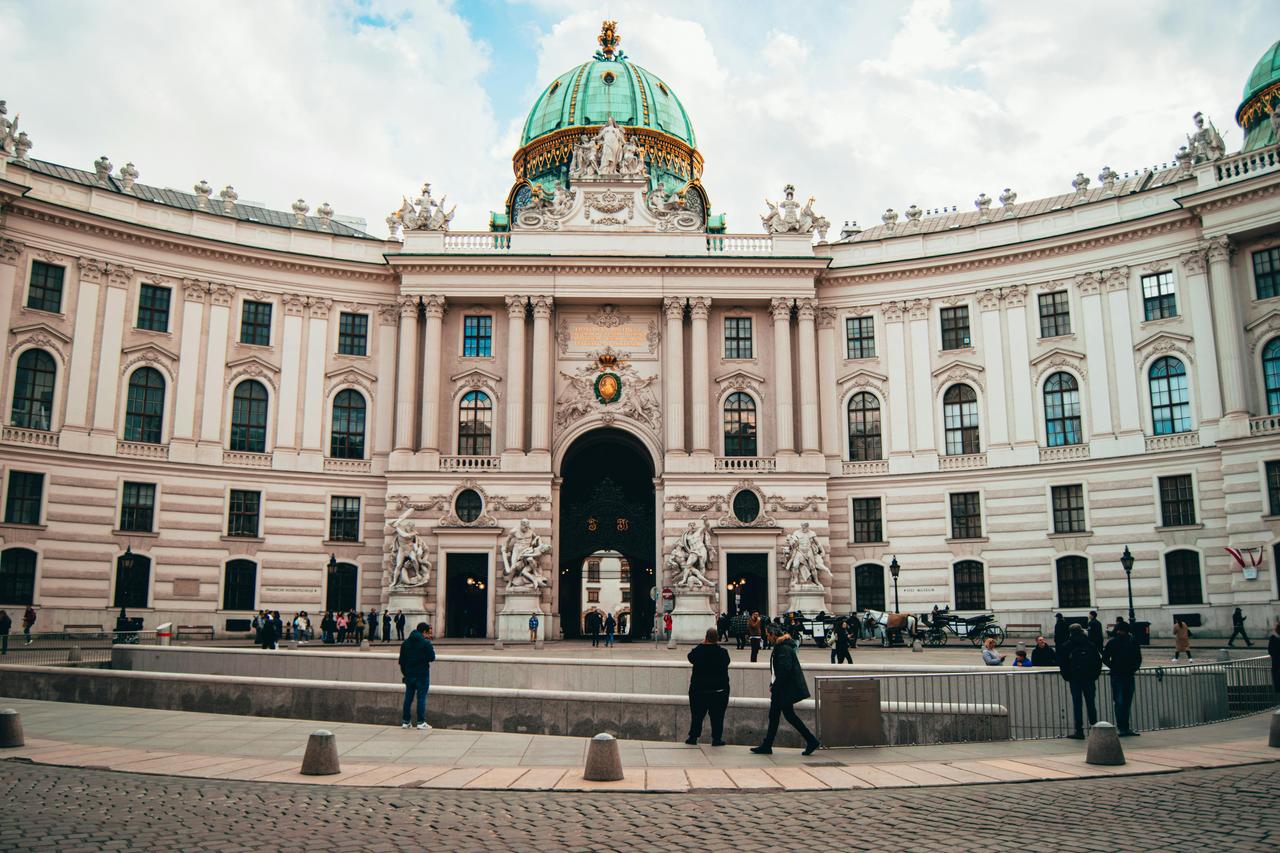
Sisi Museum is a museum dedicated to the life of Empress Elisabeth of Austria (1837–1898). Located within the Hofburg Palace in Vienna, it offers a comprehensive exhibition of the empresss personal belongings, private life and position within the imperial court.
The museum was established to introduce visitors to Elisabeths personality, daily life and role within the empire. The exhibits aim to present Elisabeth not only as an empress but also through her individual traits. In this regard, the Sisi Museum provides direct insights into Elisabeths private life, unlike the official portraits of the Habsburg dynasty.
The museum houses numerous personal items belonging to Elisabeth, including:
The exhibition is organized into chronological and thematic sections. Visitors follow a narrative that traces Elisabeths life from her youth through her time as empress to her death.
The Sisi Museum consists of thematic rooms within the Hofburg Palace that present Elisabeths life in chronological order. Each room reflects a different phase of her personality and life.
The museum is typically visited as part of a ticket package known as the Sisi Ticket. This ticket grants access to the Sisi Museum and other imperial sites such as Schönbrunn Palace. The miniature model of Schönbrunn Palace at the museums entrance is designed as a symbolic element that highlights Elisabeths image within the exhibition layout.
The Sisi Museum is not merely a historical site but also one of the central hubs of the contemporary “Sisi cult.” Elisabeths image is reproduced across a wide range of products in the museum and Hofburg gift shops, from jewelry and kitchenware to dolls and postcards, keeping alive the symbolic value of the empress in modern culture.
Nighswander, Lena. "Seeing Sisi: Contemporary Portrayals of Empress Elisabeth of Austria on Page and Screen." Master's thesis, Bowling Green State University, 2024. Accessed October 6, 2025.
Sisi Museum. "Sisi Museum, All Rooms." SisiMuseum-Hofburg. Accessed October 6, 2025. https://www.sisimuseum-hofburg.at/en/about-the-location/sisi-museum/rooms
Sisi Museum. "Sisi Museum, At Court." SisiMuseum-Hofburg. Accessed October 6, 2025. https://www.sisimuseum-hofburg.at/en/about-the-location/sisi-museum/rooms/at-court
Sisi Museum. "The Hofburg A Brief History." SisiMuseum-Hofburg. Accessed October 6, 2025. https://www.sisimuseum-hofburg.at/en/about-the-location/a-brief-history
Vlasceanu, Mihai. "Facade of Hofburg Palace JPG." Pexels. Accessed October 6, 2025. https://www.pexels.com/photo/facade-of-hofburg-palace-16632345/

Location | Hofburg Palace Austria Vienna | ||||||||
|---|---|---|---|---|---|---|---|---|---|
Halls | Entry, Youth, Travel, Assassination, Death, The Sisi Myth | ||||||||
Opening Purpose | Introducing Sisi | ||||||||
Founding and Purpose
Exhibits and Collection
Sisi Museum Exhibition Rooms
Visitor Experience
Contemporary Significance