


This article was automatically translated from the original Turkish version.
+1 More
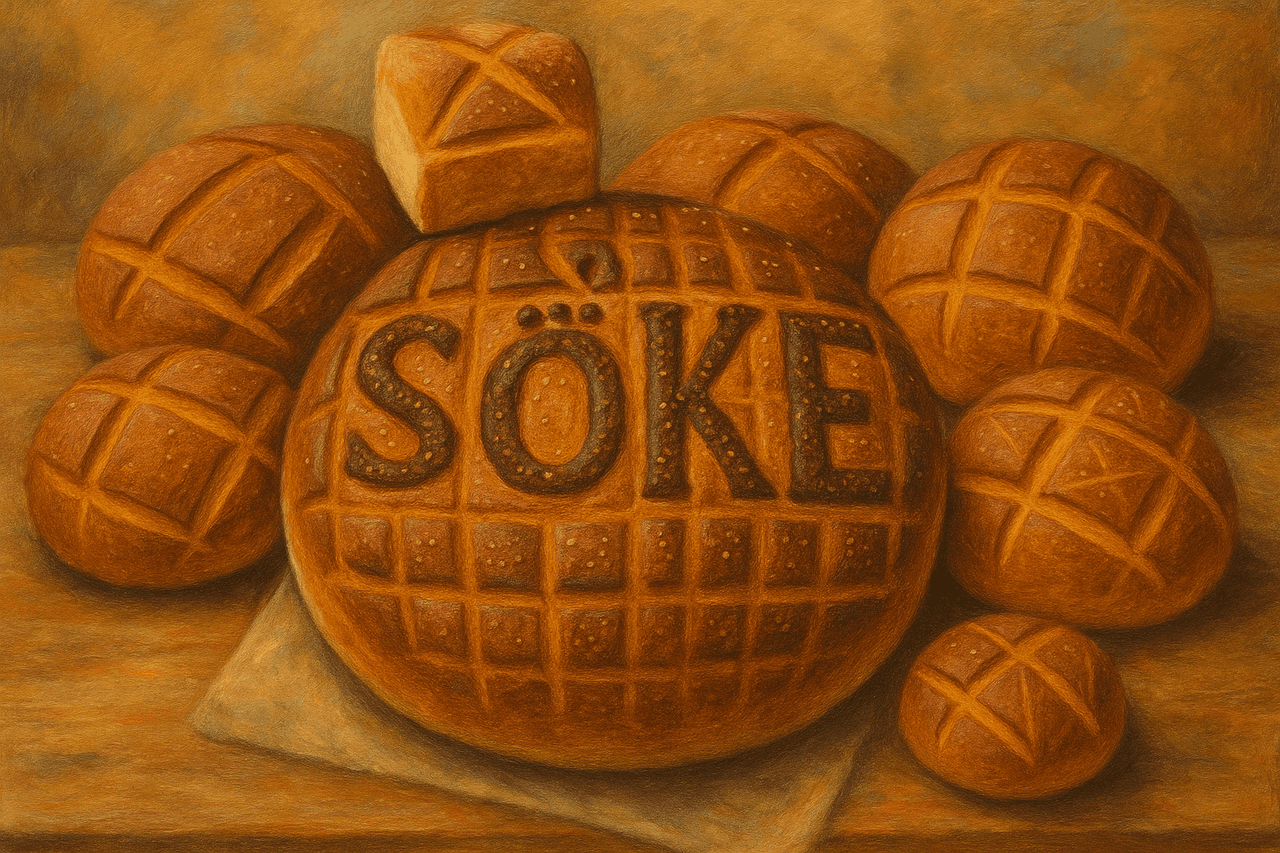
Söke Sweet Yeast Bread
Type of Geographical İndication | Marking Sign | ||||||||
|---|---|---|---|---|---|---|---|---|---|
File Number | C2020/406 | ||||||||
Application Date | 2020-11-19 | ||||||||
Registration Number | 842 | ||||||||
Registration Date | 2021-08-09 | ||||||||
Product / Product Group(s) | Bakery and confectionery products sweets dough products | ||||||||
Applicant/Registrant(s) | Söke Chamber of Commerce | ||||||||
Status | Registered | ||||||||
Place of Production | Söke, Aydın, Türkiye | ||||||||
Söke bread, or as locally known, sweet yeast bread, is a geographically indicated bread variety unique to the Söke district of Aydın Province in Türkiye. It is traditionally leavened using natural methods and baked in stone ovens, recognized for its distinctive crust structure and slightly sweet aroma. Shaped as an extension of Anatolia’s ancient sourdough culture, this bread is a representative example of regional culinary heritage, both in appearance and flavor profile.
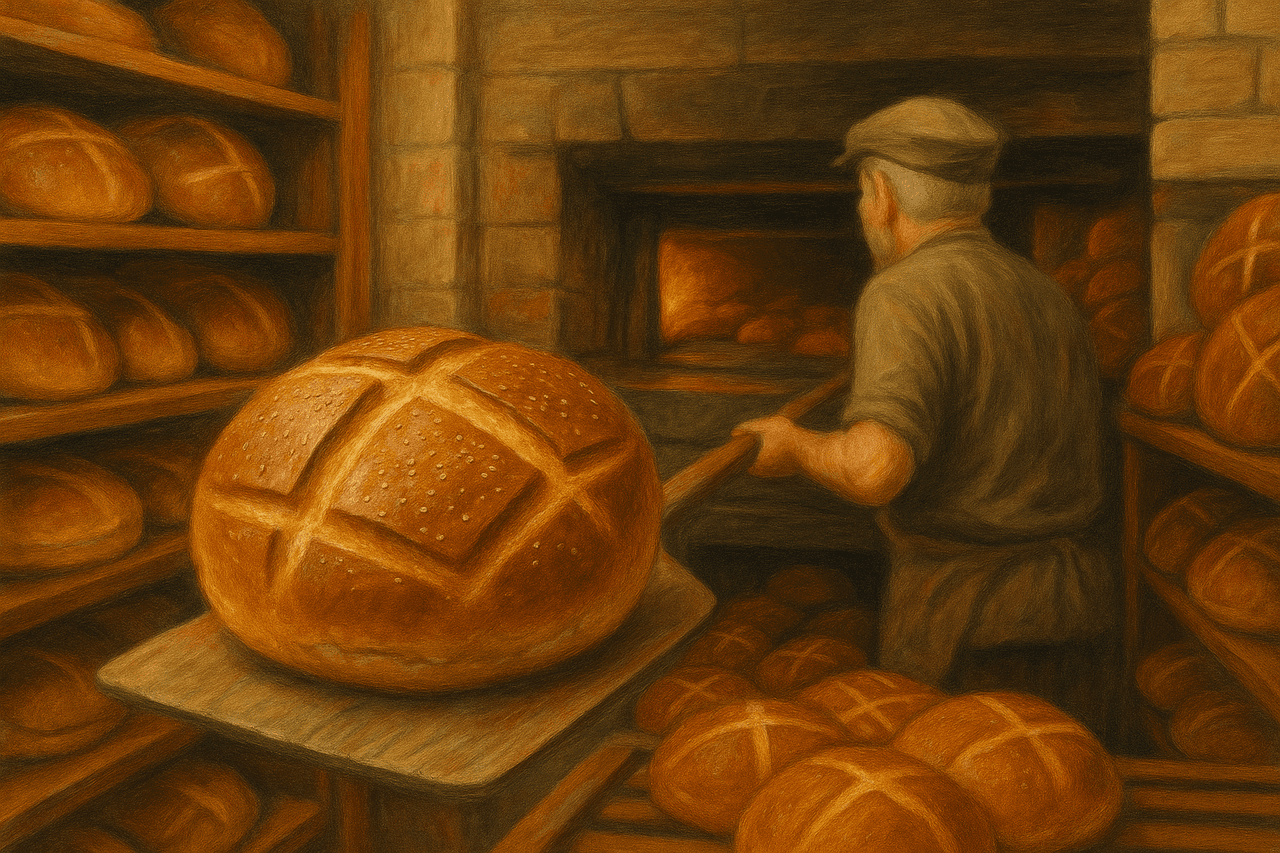
Söke Sweet Yeast Bread (Generated by Artificial Intelligence)

Its origins trace back to antiquity; it has been produced in a known bakery in Söke since 1937. It is believed that the chickpea yeast technique may have been introduced to the region by migrants from Thessaloniki or by Yörük communities. It is a tradition for the groom’s family to include this bread on a serving tray presented to the bride’s family during engagement ceremonies. It is widely consumed during Eid al-Adha. The traditional belief linking the success of yeast fermentation to the bride’s future fertility underscores its cultural importance.

When stored in a closed, shaded place, its shelf life is 3 to 5 days. Leftover bread can be repurposed as peksimet.
All stages of Söke sweet yeast bread production—including the artisanal skill involved in yeast preparation and the product’s geographical linkage—must occur within the designated geographical boundary (Söke district of Aydın Province). Production is monitored under the coordination of the Söke Chamber of Commerce. The oversight bodies consist of the Söke Chamber of Commerce, the Söke District Directorate of Agriculture, and the Söke Municipality. Inspections are conducted at least once annually and whenever a complaint is filed. Inspections verify compliance regarding raw materials, production methods, and the correct use of the geographical indication.
Anadolu Ajansı. “Söke’nin Tescilli Lezzeti: Tatlı Maya Ekmeği.” Accessed May 30, 2025. https://www.aa.com.tr/tr/yasam/sokenin-tescilli-lezzeti-tatli-maya-ekmegi/2565590
Turk Patent and Trademark Office. "Tatlı Maya Ekmeği – Coğrafi İşaret Detayı." Turk Patent and Trademark Office. Accessed May 30, 2025. https://ci.turkpatent.gov.tr/cografi-isaretler/detay/2983
Türk Patent ve Marka Kurumu. "Söke Tatlı Maya Ekmeği." Accessed May 30, 2025. https://ci.turkpatent.gov.tr/Files/GeographicalSigns/73a3c502-90ed-4f94-a473-a51a303d0cb6.pdf
İletişim Başkanlığı. "Söke’nin Muhteşem Lezzeti Tatlı Maya Ekmeği." Accessed May 30, 2025. https://www.iletisim.gov.tr/turkce/yerel_basin/detay/sokenin-muhtesem-lezzeti-tatli-maya-ekmegi

Söke Sweet Yeast Bread
Type of Geographical İndication | Marking Sign | ||||||||
|---|---|---|---|---|---|---|---|---|---|
File Number | C2020/406 | ||||||||
Application Date | 2020-11-19 | ||||||||
Registration Number | 842 | ||||||||
Registration Date | 2021-08-09 | ||||||||
Product / Product Group(s) | Bakery and confectionery products sweets dough products | ||||||||
Applicant/Registrant(s) | Söke Chamber of Commerce | ||||||||
Status | Registered | ||||||||
Place of Production | Söke, Aydın, Türkiye | ||||||||
No Discussion Added Yet
Start discussion for "Söke Sweet Yeast Bread" article
Distinctive Characteristics
Production Method
Dough Preparation
Baking
Historical and Cultural Significance
Storage and Shelf Life
Production Area and Oversight