


This article was automatically translated from the original Turkish version.
+1 More
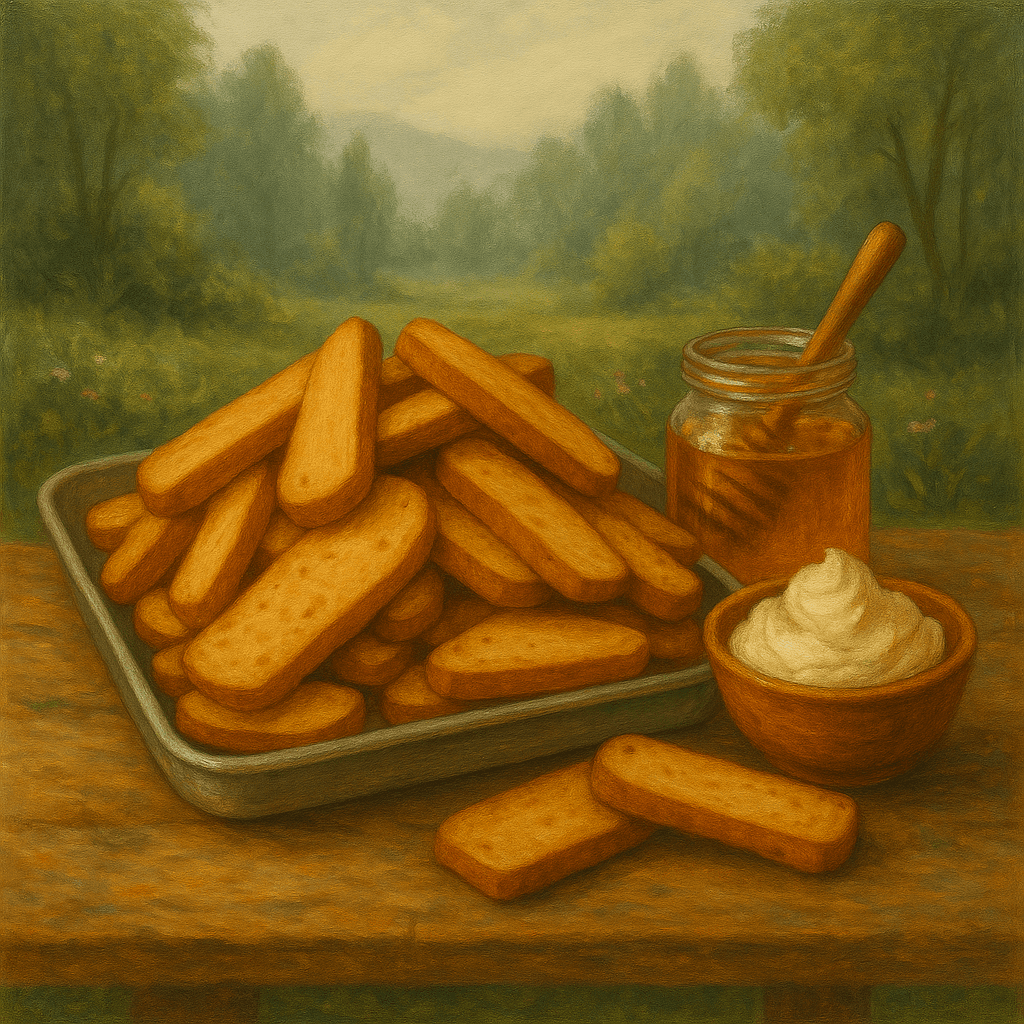
Söke Peksimeti
Type of Geographical İndication | Mahreç Sign | ||||||||
|---|---|---|---|---|---|---|---|---|---|
File Number | C2023/000023 | ||||||||
Application Date | 2023-01-13 | ||||||||
Registration Number | 1663 | ||||||||
Registration Date | 2024-11-21 | ||||||||
Product / Product Group(s) | Bakery and confectionery products Sweets Dough products | ||||||||
Province(s) | Aydın | ||||||||
Applicant/Registrant(s) | Söke Historical Research and Cultural Values Protection Association Aydın Söke District National Education Directorate | ||||||||
Status | Registered | ||||||||
Söke Peksimeti is a type of bread unique to the Söke district of Aydın, made with chickpea yeast (sweet yeast), and distinguished by the reduction of its moisture content through baking in a wood-fired oven, which enhances its durability. This process allows it to remain fresh for extended periods. Historically, it was used to meet military needs during times of war and scarcity. This product holds a significant place in Söke’s culinary culture and possesses a distinctive aroma due to being baked in a charcoal oven using wood fire. Söke Peksimeti has been officially registered as a geographical indication by the Turkish Patent and Trademark Office.
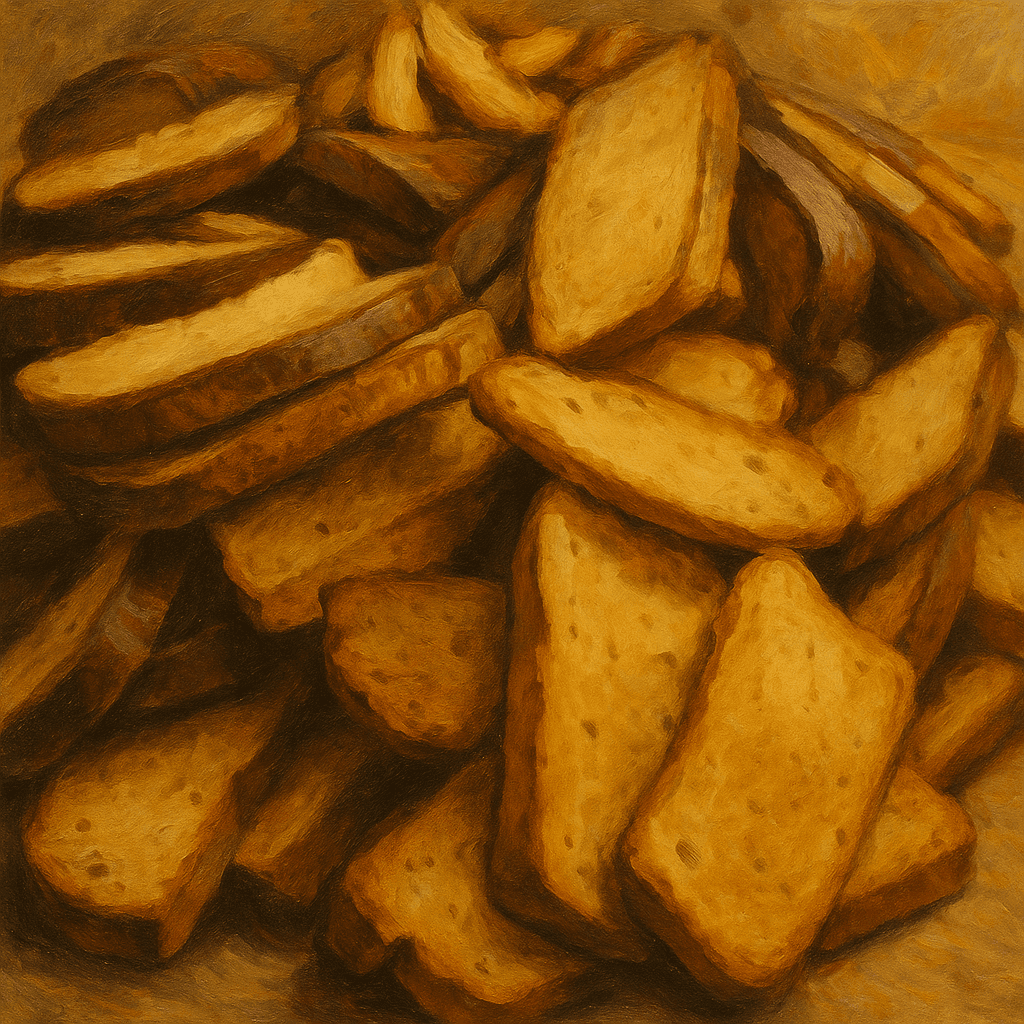
Söke Peksimeti (generated by artificial intelligence)
The production of Söke Peksimeti uses chickpea yeast, and the preparation of the yeast is as crucial as the dough itself.
All stages of Söke Peksimeti production must take place within the specified geographical boundary (Söke district of Aydın Province). This requirement is due to its deep historical roots, its role in local culinary culture, and its association with regional reputation. Oversight is coordinated by the Söke Historical Research and Cultural Heritage Preservation Association. The oversight body consists of one expert each from the Söke District National Education Directorate, the Söke Bakers, Confectioners, Restaurants, Cafés and Similar Trades Chamber, and the Söke Historical Research and Cultural Heritage Preservation Association. Inspections are conducted annually on a regular basis and at any time upon complaint. During inspections, the suitability of the ingredients, the yeast, and the process of baking the bread slices into peksimet are verified, along with the correct use of the official designation and emblem.
Anadolu Ajansı. “Aydın Enginarı ve Söke Peksimeti Coğrafi İşaret Tescili Aldı.” Accessed May 30, 2025. https://www.aa.com.tr/tr/ekonomi/aydin-enginari-ve-soke-peksimeti-cografi-isaret-tescili-aldi/3460444
Turk Patent and Trademark Office. "Söke Peksimeti – Coğrafi İşaret Başvuru Dosyası (PDF)." Accessed May 30, 2025. https://ci.turkpatent.gov.tr/Files/GeographicalSigns/8c4fc00a-ea7c-4217-8f73-19cf914bece0.pdf
Turk Patent and Trademark Office. "Söke Peksimeti – Coğrafi İşaret Detayı." Accessed May 30, 2025. https://ci.turkpatent.gov.tr/cografi-isaretler/detay/8523

Söke Peksimeti
Type of Geographical İndication | Mahreç Sign | ||||||||
|---|---|---|---|---|---|---|---|---|---|
File Number | C2023/000023 | ||||||||
Application Date | 2023-01-13 | ||||||||
Registration Number | 1663 | ||||||||
Registration Date | 2024-11-21 | ||||||||
Product / Product Group(s) | Bakery and confectionery products Sweets Dough products | ||||||||
Province(s) | Aydın | ||||||||
Applicant/Registrant(s) | Söke Historical Research and Cultural Values Protection Association Aydın Söke District National Education Directorate | ||||||||
Status | Registered | ||||||||
Distinctive Features
Historical and Cultural Significance
Production Method
Storage and Shelf Life
Production Area and Oversight