


This article was automatically translated from the original Turkish version.

Spark plug is an electrical component that ignites the fuel-air mixture in internal combustion gasoline engines to initiate engine operation. Typically, one spark plug is installed in each cylinder and positioned within the engine’s combustion chamber. Since diesel engines use different ignition systems, spark plugs are found only in gasoline engines.
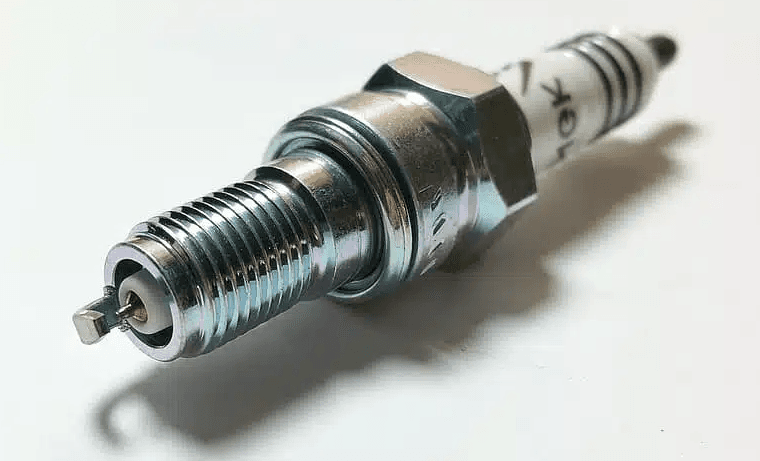
The primary function of a spark plug is to convert the high-voltage electricity current from the ignition coil into a spark between its electrodes, thereby igniting the air-fuel mixture in the cylinder. This controlled combustion spark causes the pistons to move downward, transferring Dönme motion to the crankshaft. This process is one of the fundamental mechanisms enabling vehicle movement.
Spark plugs are classified into different types based on the materials used and their performance characteristics:
Spark plug failures can lead to direct performance issues in the engine. road Common symptoms include difficult engine starting, loss of acceleration, misfiring, increased fuel consumption, and abnormal exhaust smoke. Additionally, oil contamination like can prevent the spark plug from functioning properly.
Motor oil that leaks into the cylinders can accumulate on the tip of the spark plug, inhibiting spark formation. This situation is typically caused by faulty gaskets or piston rings and leads to reduced engine performance by interfering with proper ignition.
Spark plugs should be replaced at intervals specified by the manufacturer. Generally, replacement is recommended between 30,000 and 100,000 kilometers. If Faulty worn or aged spark plugs are not replaced, engine operation may become impaired, fuel consumption may increase, and emission levels may rise.

Function and Operating Principle
Types of Spark Plugs
Spark Plug Failures and Symptoms
Spark Plug Oil Fouling
Replacement and Maintenance