


This article was automatically translated from the original Turkish version.
+2 More
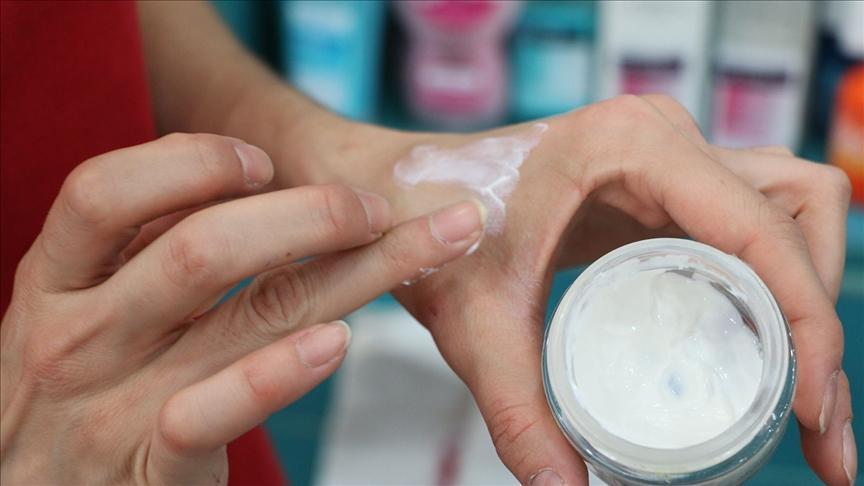
Sunscreen is a topical cosmetic product applied to prevent the harmful effects of ultraviolet (UV) radiation on the skin. UV radiation is divided into three main categories based on wavelength: UVC (100–280 nm), UVB (280–315 nm), and UVA (315–400 nm). While UVC is filtered by the atmosphere and does not reach the Earth’s surface, UVB and UVA rays can reach the ground and cause skin damage. UVB is responsible for triggering melanogenesis—the process of melanin production—and for most sunburns, while UVA penetrates deeper skin layers and contributes to wrinkles, photoaging, and the development of certain types of skin cancer.
The first systematic products designed for sun protection began to be developed in the mid-20th century. In 1962, chemist Franz Greiter introduced the concept of SPF (Sun Protection Factor), enabling the quantitative classification of modern sunscreens. This system provided a numerical measure of how effectively a product protects against sunlight. As the SPF system became widely adopted, formulations containing both physical and chemical UV filters were developed. During the 1980s and 1990s, as the long-term damage caused by UVA rays became better understood, the use of broad-spectrum products offering protection against both UVA and UVB increased significantly.
Sunscreens provide protection through either physical or chemical agents. Physical blockers, such as zinc oxide and titanium dioxide, work by reflecting UV rays. Chemical blockers absorb UV radiation before it reaches deeper skin layers and convert the energy into harmless heat. Because these chemical ingredients can degrade over time, it is recommended to reapply chemical-based sunscreens every two hours.
Sunscreen effectiveness is measured by the Sun Protection Factor (SPF). The SPF value indicates the level of protection against UVB rays. For example, products with SPF 15 to SPF 50 can provide 93% to 98% protection against UVB. For UVA protection, products labeled as “broad-spectrum” are recommended.
Sunscreens should be applied approximately 30 minutes before going outdoors and reapplied every two to four hours. Reapplication is necessary after swimming, sweating, or towel drying. For effective protection, products must be applied in sufficient quantity—approximately 2 mg/cm²—to all areas exposed to UV radiation. Protective products should be used not only on sunny days but also on cloudy days, as up to 80% of UV rays can penetrate cloud cover.
Although concerns exist that sunscreen use may hinder vitamin D synthesis, scientific evidence shows that exposing the face and backs of the hands to sunlight for 10 to 20 minutes per day is sufficient to produce adequate vitamin D. In cases of vitamin D deficiency, supplementation is recommended over uncontrolled sun exposure.
Blistering sunburns experienced during childhood increase the risk of developing skin cancers such as melanoma later in life. Approximately 50% of a person’s total lifetime UV exposure occurs before the age of 20. Therefore, protecting children from the sun is of critical importance. Direct sunlight exposure should be avoided in infants under six months of age; for children older than six months, sunscreens with high SPF should be used.
In addition to chemical products, physical barriers are effective in sun protection. Hats, sunglasses, and protective clothing are passive protective measures. Thick, tightly woven fabrics and garments that have been washed multiple times offer greater UV protection. Sunglasses that filter both UVA and UVB rays should be worn to protect the eyes.
The World Health Organization (WHO) recommends several measures to protect against the harmful effects of UV radiation. WHO advises the regular use of broad-spectrum sunscreens with at least SPF 15 protection against UVB and reapplication every two hours. It also emphasizes the need to limit direct sun exposure during hours of peak UV intensity.

Research on Developing Sunscreen Products Using Melanin and Algal Pigments Supported by TÜBİTAK - (AA)
Under Türkiye’s TÜBİTAK-TEYDEP 1501 program, a project aims to develop a sunscreen based on astaxanthin encapsulated in melanin nanoparticles. Conducted in collaboration between Bolu Abant İzzet Baysal University and İzmir Democracy University, this study utilizes melanin extracted from cuttlefish and antioxidant pigments isolated from microalgae to create a product with both protective and skin-renewing properties. Based on the zero-waste principle, bioplastics derived from microalgae residues will be used in the production of the product’s packaging.
Anadolu Ajansı. “Havaların Isınmasıyla Talebi Artan Güneş Kremlerinde Sahteciliğe Karşı Dikkatli Olunması Önem Taşıyor.” AA.com.tr. Accessed May 31, 2025. https://www.aa.com.tr/tr/saglik/havalarin-isinmasiyla-talebi-artan-gunes-kremlerinde-sahtecilige-karsi-dikkatli-olunmasi-onem-tasiyor/3557342. *(Only image used.)*
Anadolu Ajansı. “TÜBİTAK Destekli Projeyle Mürekkep Balığı ve Alg Pigmentlerinden Güneş Kremi Üretilecek.” AA.com.tr. Accessed May 31, 2025. https://www.aa.com.tr/tr/bilim-teknoloji/tubitak-destekli-projeyle-murekkep-baligi-ve-alg-pigmentlerinden-gunes-kremi-uretilecek/3084862.
Erol, Mesut. “Güneş Kremleri Bizi Nasıl Korur?” *Bilim ve Teknik Dergisi* 51, no. 998 (September 2018): 64–65. Accessed May 31, 2025. https://e-dergi.tubitak.gov.tr/edergi/yazi.pdf?dergiKodu=4&cilt=51&sayi=998&sayfa=64&yaziid=42155.
Pixabay. "Güneş Kremi, Gölge, Güneş Gözlüğü." Pixabay.com. Accessed May 31, 2025. https://pixabay.com/tr/vectors/g%C3%BCne%C5%9F-kremi-g%C3%B6lgeler-g%C3%BCne%C5%9F-g%C3%B6zl%C3%BC%C4%9F%C3%BC-8184610/.
Turk Dermatoloji Derneği. *Güneşten Korunma: Hasta Bilgilendirme Broşürü*. Ankara: Türk Dermatoloji Derneği, 2023. Accessed May 31, 2025. https://turkdermatoloji.org.tr/media/hasta_bilgilendirme/gunesten_korunma.pdf.

History
Protective Mechanisms and Ingredients
Proper Use
Relationship with Vitamin D Production
Sun Protection Methods
Sun Protection in Children
Passive Protection Methods
World Health Organization Recommendations
Scientific and Technological Advances