


This article was automatically translated from the original Turkish version.
+2 More
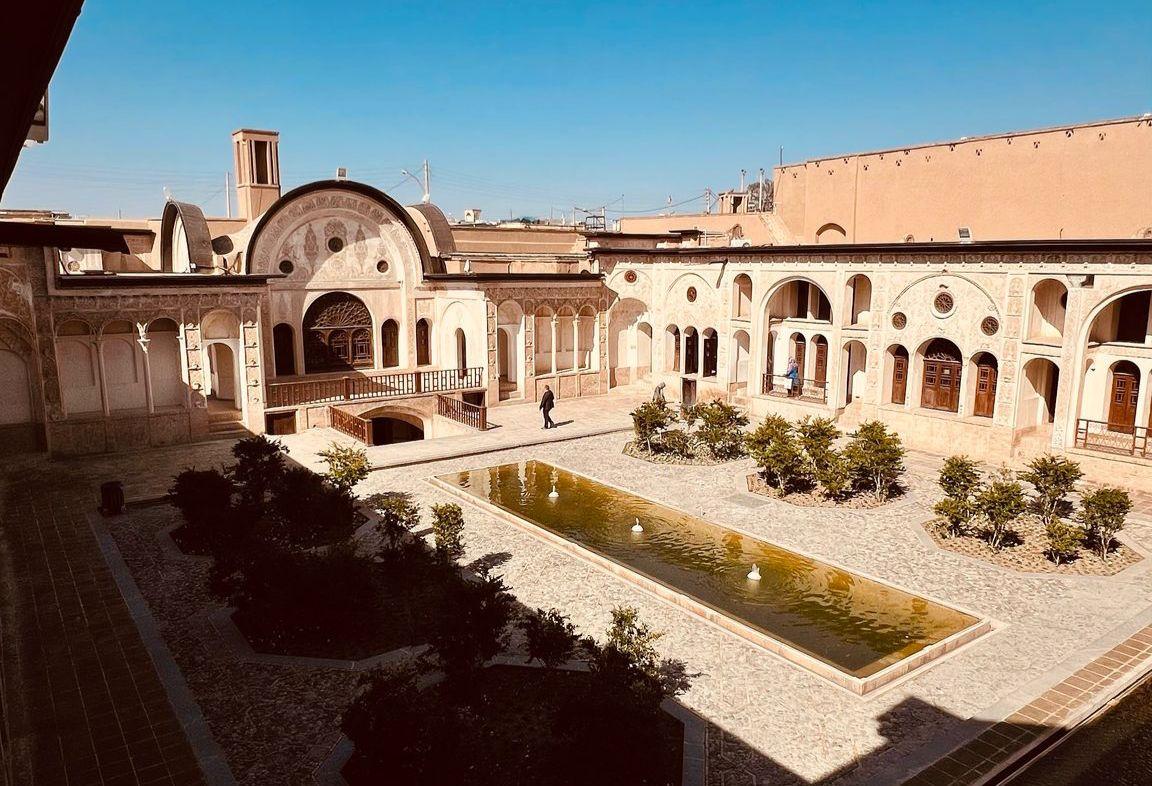
Tabatabai House is a 19th-century residential structure located in the city of Kashan, Iran, place. Recognized as one of the finest examples of Qajar architecture important, it embodies numerous aesthetic and functional elements of traditional Iranian domestic architecture. It was commissioned by Cafer Tabatabai for his family and designed by Ali Mary Kashani, one of Iran’s leading architects.
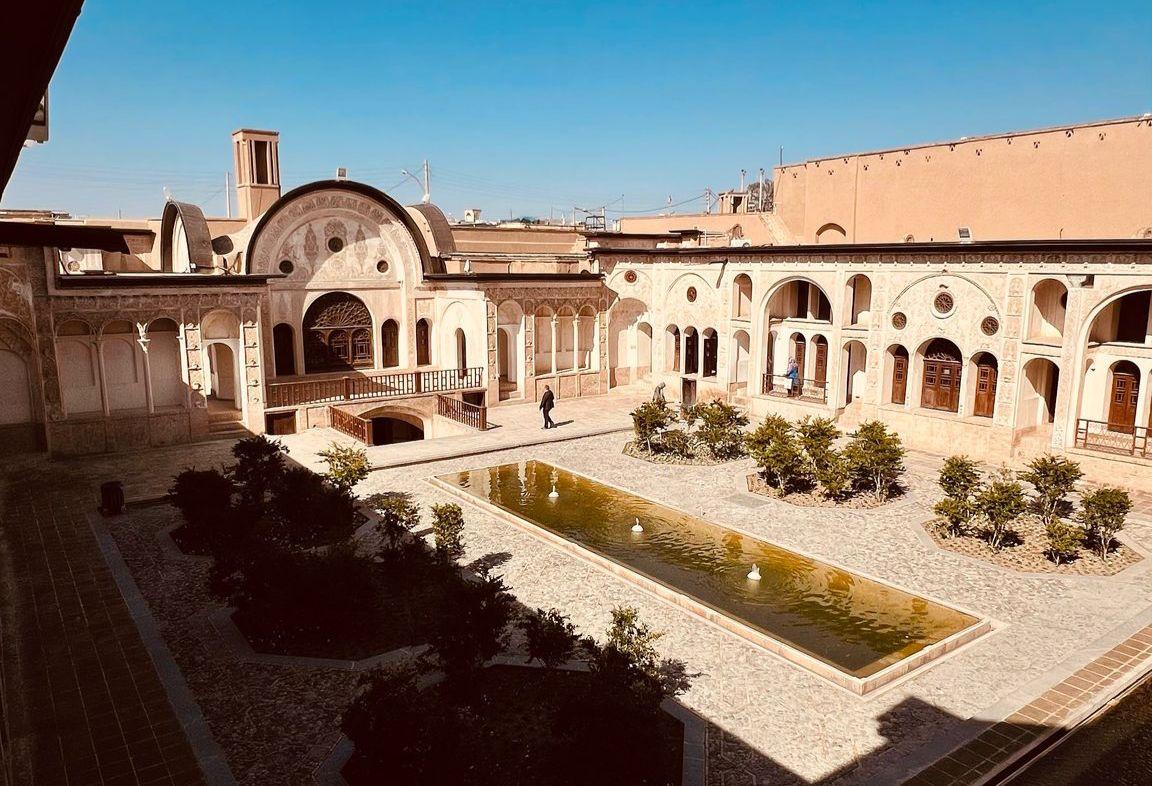
General View of Tabatabai House (Photograph: Duygu Şahinler)
Layout: House is designed with an inward-oriented plan. Although it appears modest or even plain from the outside humble, the interior reveals a lavish living space wall like.
Courtyards: The house has four courtyards in total. One is located in the entrance area, two are designated for private family living spaces, and one is allocated for servants.
Rooms: The house contains 40 rooms, along with a tandır oven, pantry, kitchen, and four bodrum rooms. One of these basement rooms is currently used as a fabric weaving workshop.
Wind Towers: Three badgirs (wind towers) facilitate natural cooling of the building during hot write months.
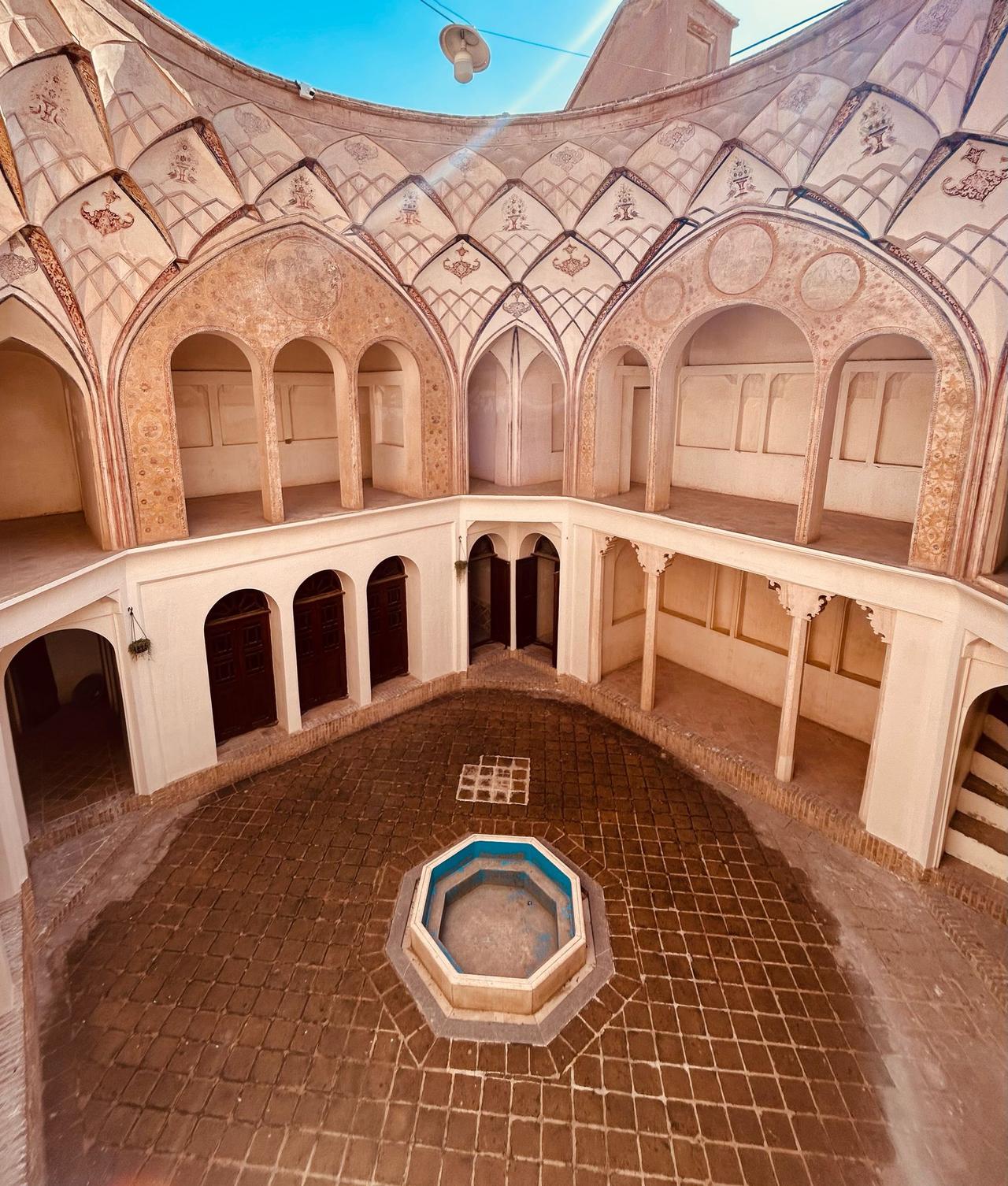
Interior View of Tabatabai House (Photograph: Duygu Şahinler)
Plasterwork: Detailed plaster decorations adorn ceilings and walls. Particularly striking are the silk carpet motif plaster designs on the balcony ceiling.
Stained Glass Windows: The room windows are adorned with stained glass, creating a luminous and colorful visual feast inside the interior by refracting light. These stained glass panels were inspired by carpet patterns.
Ceramic and Mirror Work: The use of ceramic tiles and mirror enhances the aesthetic texture of the walls.
Relief and Mosaic: Rich surface decorations also feature relief and mosaic techniques.
Natural Decorations: Pomegranate pomegranate and fig trees, regarded as symbols of Heaven, are arranged in the courtyards with landscape landscaping to carry together symbolic meanings.
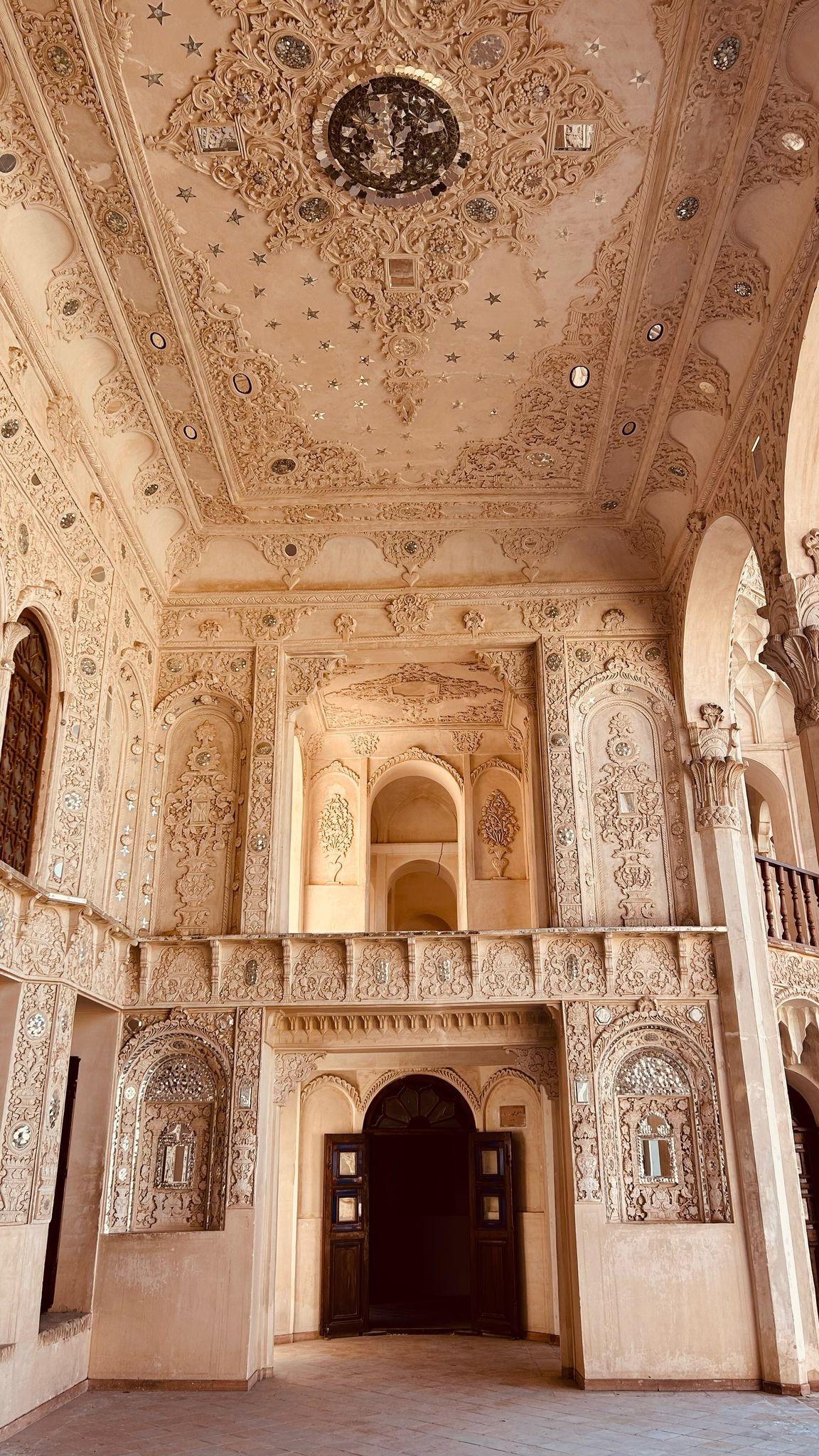
Interior View of Tabatabai House (Photograph: Duygu Şahinler)
Thermal and Acoustic Insulation: The building’s construction below ground level enables adaptation to climatic conditions and enhances thermal and acoustic insulation.
Acoustics: The architectural layout is designed to minimize sound reverberation within interior spaces.
Privacy: In accordance with traditional Iranian architecture, the structure is entirely enclosed inward, ensuring the family’s privacy.
Tabatabai House is a living example of Iran’s rich architectural and cultural heritage. It offers a unique observation experience for architects, history enthusiasts, and tourists alike. This structure exemplifies innovations in air circulation, light usage, and aesthetic detailing in Iranian architecture, while also reflecting the social structure and lifestyle of affluent families of its time.
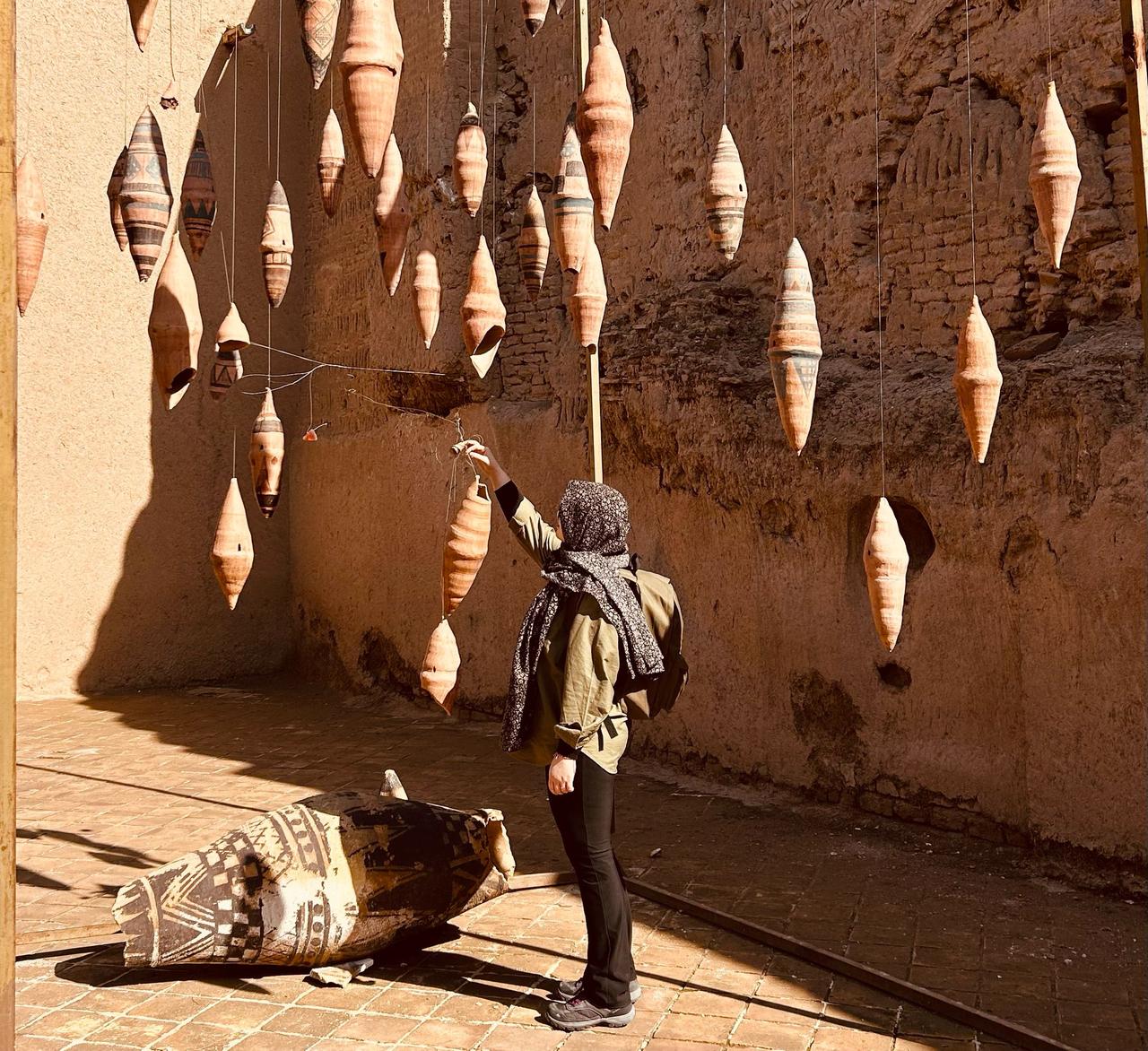
In the Courtyard of Tabatabai House (Photograph: Duygu Şahinler)
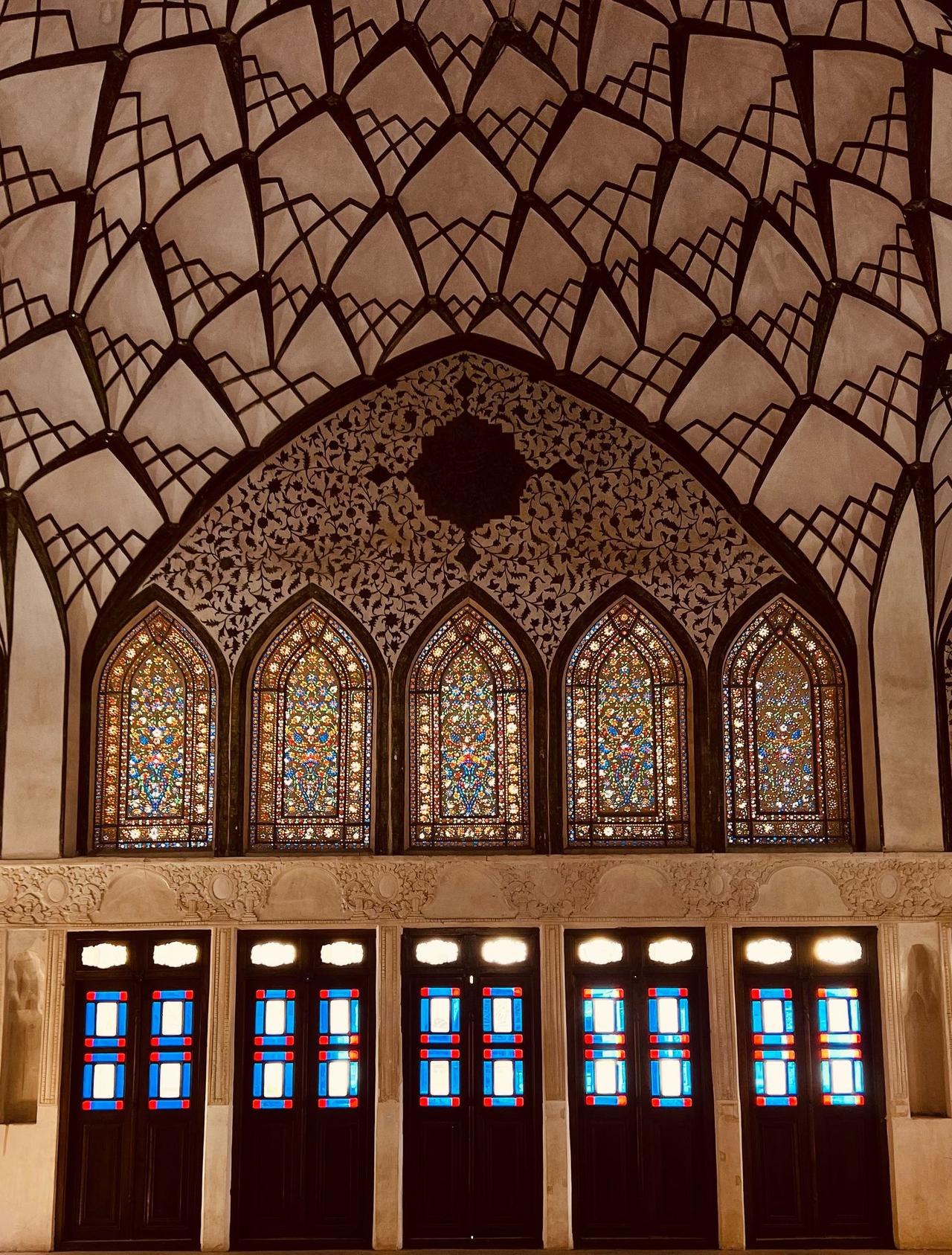
Interior View of Tabatabai House (Photograph: Duygu Şahinler)

Architectural Features
Decorative Arts
Functional Features
Cultural Significance