

+1 More

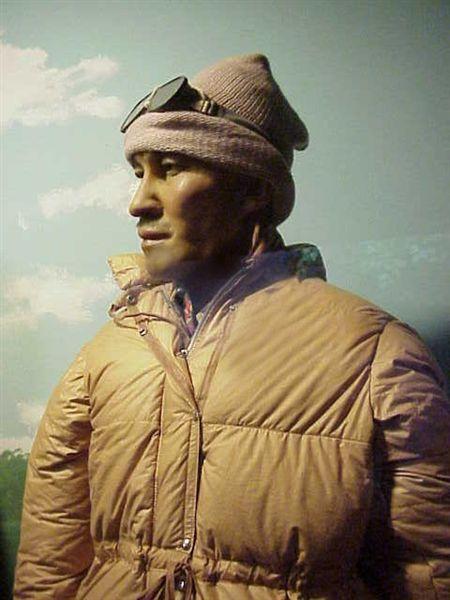
Tenzing Norgay (1914–1986) is recognized as one of the most important figures in modern mountaineering history and one of the first two people to reach the summit of Mount Everest on 29 May 1953. A Sherpa mountaineer, Norgay was born in the Khumbu region of Nepal and gained recognition among professional climbing circles for his physical endurance and technical skill in high-altitude ascents. Throughout his career, he made seven attempts to climb Everest, assuming critical roles both in logistical support units and in the main climbing teams.
There are various academic and biographical debates regarding Tenzing Norgay’s exact birthplace and date of birth. It is generally accepted that he was born in 1914 in a village at the foot of Mount Everest in Nepal’s Khumbu region. During childhood, he was given the name Namgyal Wangdi, which was later changed to Tenzing Norgay, meaning “fortunate devout,” on the advice of a local religious leader. In his youth, Norgay worked in local agricultural and pastoral activities before migrating to Darjeeling in India in the early 1930s due to economic hardship. There, he joined the Sherpa community that provided guiding and portering services to foreign expeditions, taking his first steps into the world of professional mountaineering.
Norgay’s high-altitude experience gained professional significance when he was selected as a porter for the 1935 British reconnaissance expedition led by Eric Shipton. From that point onward, he participated in the British Everest expeditions of 1936 and 1938, gradually rising from a simple porter to the position of Sirdar (Sherpa leader) due to his technical climbing abilities and leadership qualities.
The 1952 Swiss Everest expedition led by Raymond Lambert marked a turning point in Norgay’s career. During this climb, he and Lambert reached within approximately 250 metres of the summit, setting a new record for the highest altitude ever attained at that time. However, due to insufficient logistical support and failures in their oxygen systems, they were forced to turn back before reaching the summit. This experience strengthened Norgay’s expertise in the region’s geography and high-altitude physiology.
The 1953 British Everest expedition, led by Colonel John Hunt, was Norgay’s seventh and final attempt on Everest. In this mission, he served both as the leader of the Sherpa team and as a member of the main climbing party. His partnership with New Zealand climber Edmund Hillary proved decisive to the success of the ascent.
The pair spent the night of 28 May 1953 at the ninth camp located at approximately 8,500 metres. On the morning of 29 May, they continued their climb and reached the 8,848-metre summit at around 11:30, becoming the first humans to set foot on that point. During the 15 minutes they spent on the summit, Norgay, in accordance with Buddhist tradition, offered biscuits and chocolate as a ritual offering to the mountain. Additionally, a photograph taken by Hillary during this time, showing Norgay waving the flags of the United Nations, India, Nepal and the United Kingdom on his ice axe, became one of the most iconic images in exploration history.
Accessed November 26, 2025.
BBC Culture. "The First Men to Conquer Everest’s Death Zone." Accessed January 31, 2026.
Discovery World Trekking. "Conquering Everest: The Story of Tenzing Norgay Sherpa and Edmund Hillary." Accessed January 31, 2026.
EBSCO. "Tenzing Norgay." Research Starters: History. Accessed January 31, 2026.
History.com Editors. "Hillary and Tenzing Reach Everest Summit." History, Accessed January 31, 2026.
JSTOR Daily. "Tenzing Norgay, the Mountaineer Who Refused to Be Categorized." Accessed January 31, 2026.
Life Himalaya Trekking. "Tenzing Norgay Sherpa and Edmund Hillary." Accessed January 31, 2026.
Mead, Rebecca. "Tenzing of Everest." New Yorker, Accessed January 31, 2026.
National Geographic. "Sir Edmund Hillary and Tenzing Norgay Reach the Summit of Everest." Accessed January 31, 2026.

Early Life and Identity Debates
Development of His Mountaineering Career
1952 Swiss Expedition
The 1953 Everest Summit Climb