

This article was automatically translated from the original Turkish version.
Number of Pages(Text) | 198 (İş Bankası Kültür Yayınları) | ||||||||
|---|---|---|---|---|---|---|---|---|---|
Author(s) | Leonid Andreyev | ||||||||
Publication Status | Censored during the Soviet era | ||||||||
First Publication | 1921 | ||||||||
Year of Writing | 1919 | ||||||||
Book Title | The Diary of Satan | ||||||||
Genre | Novel Psychological Fiction Philosophical Fiction | ||||||||
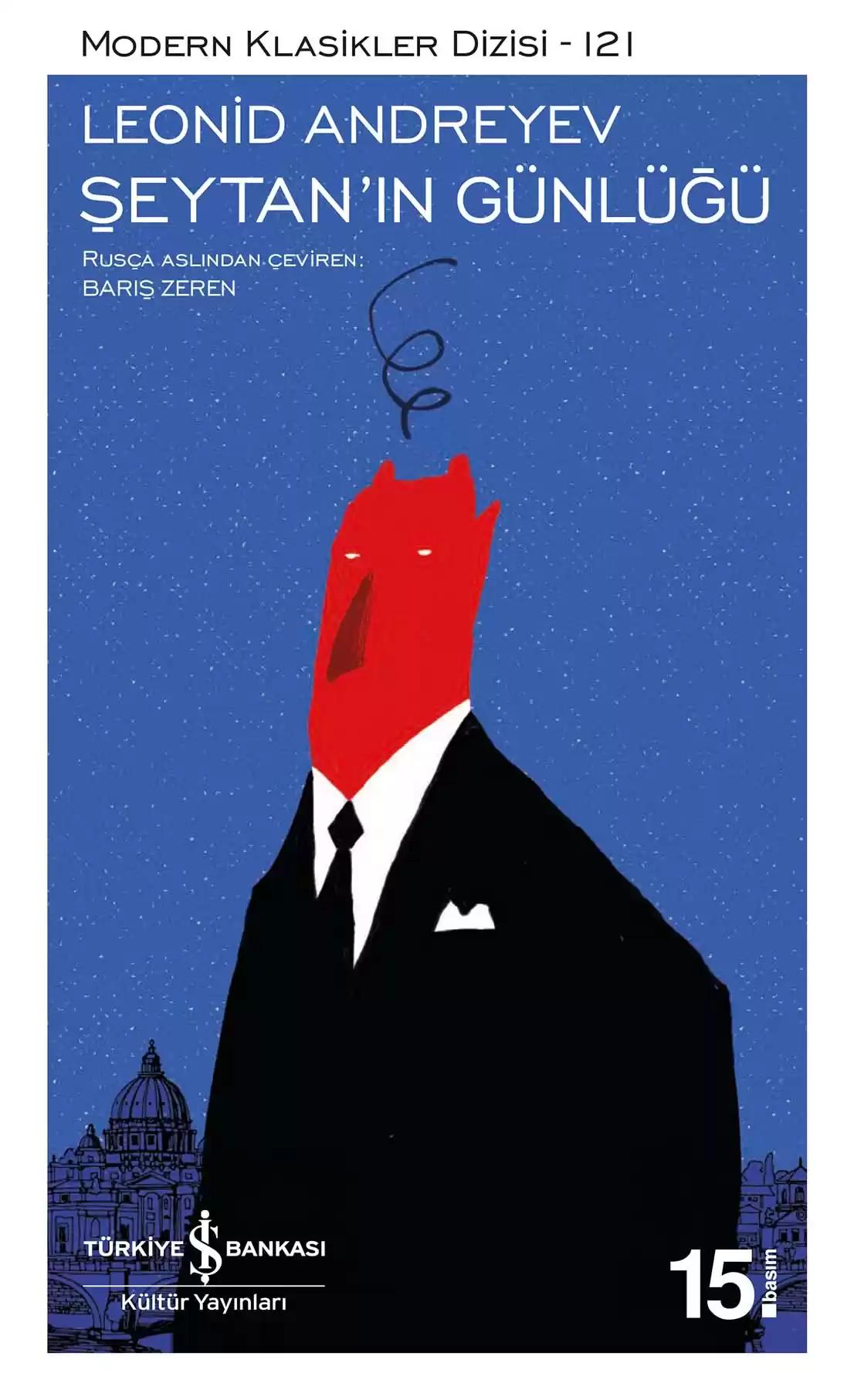
The Diary of Satan is an allegorical novel written by Russian author Leonid Andreyev shortly before his death and regarded as one of his darkest works. The book unfolds through the personal diary entries of Satan himself, satirizing humanity’s moral decline, hypocrisy, pride and obsession with power. Through these entries, Satan records his time on Earth and his interactions with human beings. This narrative approach allows the author to pose profound philosophical questions about the nature of both God and humanity.
In this work, the character of Satan transcends classical literary depictions; he is not merely a symbol of evil but also a tragic observer. While documenting humanity’s weaknesses in his diary, he conveys to the reader the collapse of modern society through dark humor and biting irony.
Main themes include:
Leonid Andreyev is regarded as one of the writers who bridged symbolism and expressionism in Russian literature. The Diary of Satan stands as one of the pioneering texts that symbolically reflect both the inner world of the individual and societal disintegration. It is particularly notable for continuing the philosophical legacy of Dostoevsky. Andreyev’s work also mirrors the existential crisis and loss of faith in ideologies experienced by humanity after World War I.
Leonid Nikolayevich Andreyev (1871–1919) was one of Russia’s most important playwrights and short story writers. His works masterfully explore psychological depth and dark themes. Andreyev witnessed the final years of the Tsarist regime and the moral and social disintegration of pre-revolutionary Russia, and is especially known for his narratives that delve into the extreme limits of human psychology.
Andreyev, Leonid. *Şeytan’ın Günlüğü.* Trans. Barış Zeren. 2018. https://www.iskultur.com.tr/seytanin-gunlugu.aspx?srsltid=AfmBOoqtsRkQKShewoKU-rukRvstw4PMBScx0Z_dcCZtKUQWWYKRs0md

Number of Pages(Text) | 198 (İş Bankası Kültür Yayınları) | ||||||||
|---|---|---|---|---|---|---|---|---|---|
Author(s) | Leonid Andreyev | ||||||||
Publication Status | Censored during the Soviet era | ||||||||
First Publication | 1921 | ||||||||
Year of Writing | 1919 | ||||||||
Book Title | The Diary of Satan | ||||||||
Genre | Novel Psychological Fiction Philosophical Fiction | ||||||||
No Discussion Added Yet
Start discussion for "The Devil's Diary (Book)" article
Subject and Themes
Literary Significance
About the Author