


This article was automatically translated from the original Turkish version.
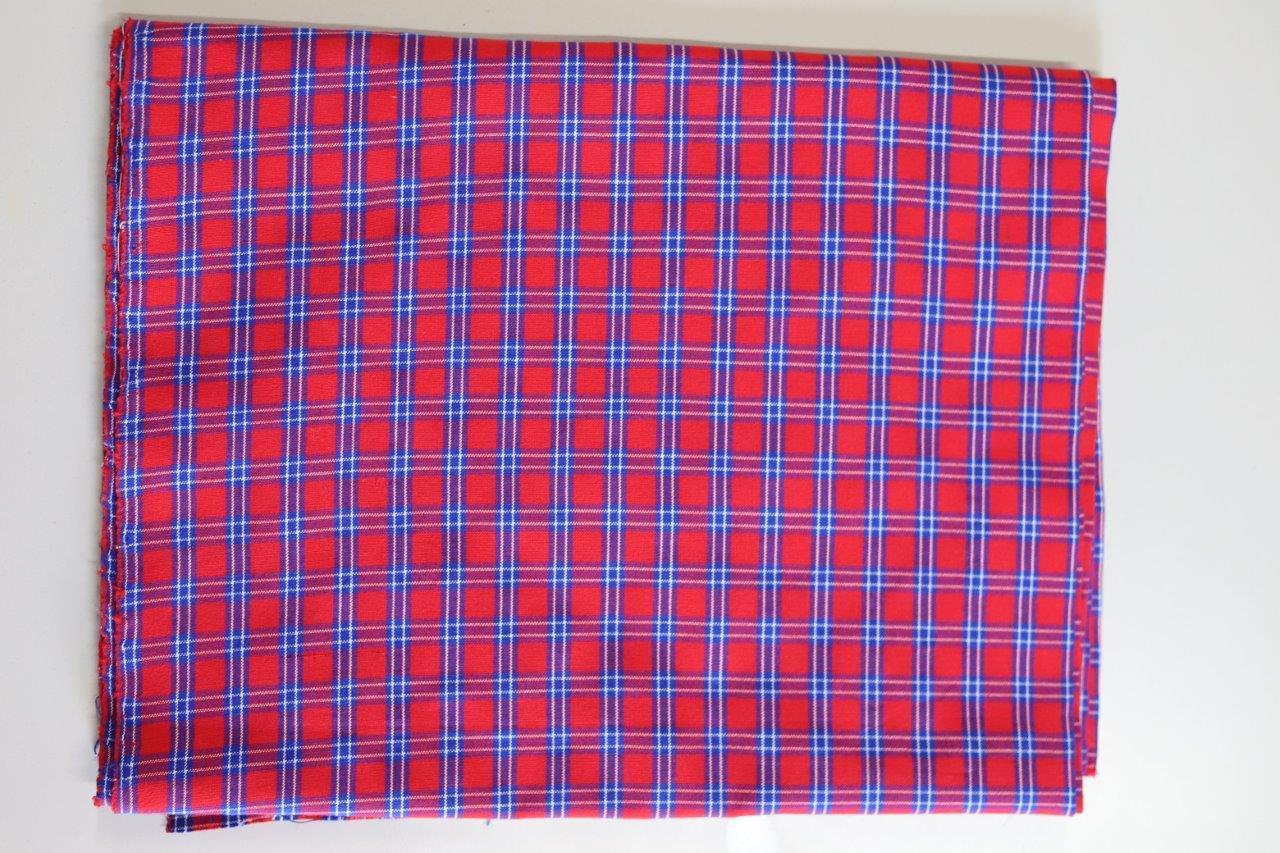
Registration Number(Text) | 1778 | ||||||||
|---|---|---|---|---|---|---|---|---|---|
Registration Date(Text) | 22.09.2025 | ||||||||
Applicant/Registrant(s) | Tokat Provincial National Education Directorate | ||||||||
Province(s) | Tokat | ||||||||
Product / Product Group(s) | Textiles | ||||||||
Type of Geographical Indication | Mahreç Sign | ||||||||
Tokat dive weaving is a traditional hand-weaving textile production technique with deep historical roots specific to the province of Tokat. This weaving art is known for producing fine, durable fabrics using high-quality cotton yarns. The fabric is woven on specially designed looms using a regional method known as “dive.” Representing a tradition spanning from the 16th century to the present day, Tokat dive weaving is recognized as an original craft product reflecting the cultural heritage of the region. It was officially registered under number 1778 on 22.09.2025 as a geographical indication.
Tokat dive weaving is manufactured entirely from 100 percent cotton yarns, with natural dyes used for coloring. Distinctive features of the fabric include prominent striped patterns and rich motifs on its surface. It stands out for its softness, high ergonomic durability, and robust structure. Known for its comfort and durability, this product is suitable for both decorative home textiles and functional use as apparel.
The production process of Tokat dive weaving is a traditional craft method requiring expertise and meticulous execution of each stage. The main stages are as follows:
Weaving continues with yarns matching the planned pattern and colors, maintaining a weft density of 18 picks per 1 cm. All these production stages must be carried out within the geographical boundaries of the province of Tokat, due to the product’s protected status.
The geographical boundary for Tokat dive weaving is defined as the province of Tokat. Due to its deep-rooted tradition, production method, and the specialized skill required, all production, processing, and related activities must be conducted within this designated geographical area.
Compliance with the registration conditions for Tokat dive weaving is monitored by a control body established under the coordination of the Tokat Provincial Directorate of National Education. This body consists of three members, each an expert appointed by the Tokat Provincial Directorate of National Education, the Tokat Provincial Directorate of Industry and Technology, and the Tokat Provincial Directorate of Culture and Tourism. Inspections may be conducted annually on a regular basis, or at any time when deemed necessary or in response to complaints.
The criteria applied during inspections are as follows:
The control body may consult experts or institutions during inspections. The Tokat Provincial Directorate of National Education, as the registering authority, is responsible for managing legal procedures.
Turkish Patent and Trademark Office. "Tokat Dive Dokuması Sicil Belgesi." Geographical Indications Portal. Accessed October 25, 2025. https://ci.turkpatent.gov.tr/Files/GeographicalSigns/ded3ac7f-965e-4b5c-b5c5-1483b62e666b.pdf
Turkish Patent and Trademark Office. "Tokat Dive Dokuması." Geographical Indications Portal. Accessed October 25, 2025. https://ci.turkpatent.gov.tr/cografi-isaretler/detay/9785

Registration Number(Text) | 1778 | ||||||||
|---|---|---|---|---|---|---|---|---|---|
Registration Date(Text) | 22.09.2025 | ||||||||
Applicant/Registrant(s) | Tokat Provincial National Education Directorate | ||||||||
Province(s) | Tokat | ||||||||
Product / Product Group(s) | Textiles | ||||||||
Type of Geographical Indication | Mahreç Sign | ||||||||
Product Characteristics
Production Method
Geographical Boundary and Oversight