


This article was automatically translated from the original Turkish version.
+2 More
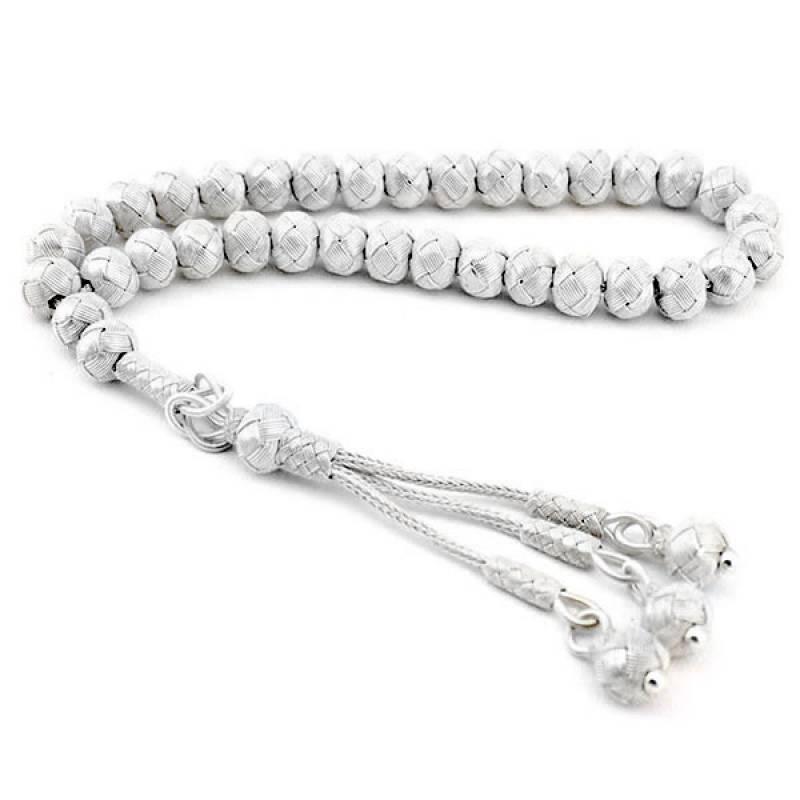
Trabzon Kazaziyesi
Registration Number | 231 | ||||||||
|---|---|---|---|---|---|---|---|---|---|
Registration Date | 09.11.2017 | ||||||||
Application Number | C2016/101 | ||||||||
Application Date | 08.11.2016 | ||||||||
Name of the Geographical Indication | Trabzon Kazaziyesi | ||||||||
Product Name | Handicraft | ||||||||
Type of Geographical Indication | Place of origin | ||||||||
Applicant/Registrant(s) | Trabzon Goldsmiths and Watchmakers Chamber of Commerce | ||||||||
Address of the Registrant | Kemerkaya Mah. Kunduracılar Cad. Alipaşa İş Hanı No:113 Kat: 4 No:51 Ortahisar / TRABZON | ||||||||
Geographical Boundary | Trabzon | ||||||||
Trabzon Kazaziyesi is a traditional craft that involves winding extremely fine gold or silver wires onto silk or nylon thread and transforming them into ornamental items using various traditional weaving techniques. This production method has been registered as a geographical indication under its name of origin and was officially registered on 9 November 2017 by the Türk Patent ve Marka Kurumu (Turkish Patent and Trademark Office). The application was submitted on 8 November 2016 by the Trabzon Kuyumcular ve Saatçiler Esnaf Odası (Trabzon Goldsmiths and Watchmakers Craftsmen’s Chamber). The geographical boundary is limited to the province of Trabzon.

Trabzon Kazaziyesi (Generated by Artificial Intelligence)
Trabzon Kazaziyesi is based on winding gold or silver wires with a thickness of 0.08–0.18 mm (80–180 microns) in 24, 22, 18, or 14 karat gold or 925 sterling silver onto silk or nylon thread using a spindle. The resulting wire is then shaped using various weaving techniques. Through this method, the wires are reduced to the thickness of a human hair. The winding is tight and spiral-shaped. The thickness of the wire varies depending on the number of thread layers wrapped around it and must be at least 0.3 mm. The wound wire is used in the production of various jewelry and ornamental items. The entire process relies entirely on manual craftsmanship and does not involve soldering.
Products of Trabzon Kazaziyesi must prominently display either the “TK” hallmark or a label bearing this designation. Products bearing the “TK” hallmark do not require an additional label. Labels must include the producer’s name, the type and purity of the material used, and confirmation that the item was made using the Trabzon Kazaziyesi technique.
The art of kazazlık existed in various regions of Anatolia during the Ottoman Empire. However, after the establishment of the Republic, it survived exclusively in Trabzon. The incorporation of Trabzon into Ottoman territory in 1461, along with the shipment of raw silver from Gümüşhane via the Port of Trabzon and Trabzon’s strategic commercial position, significantly contributed to the development of goldsmithing in the region. It is known that during this period, Yavuz Sultan Selim and Kanuni Sultan Süleyman, who served as princes in Trabzon, worked in local goldsmith workshops.
Some artifacts dating back to the 16th century exhibit kazazlık techniques. Evliya Çelebi’s travelogues mention that ornamental items produced by Trabzon goldsmiths reached the Ottoman Palace. A court record from the 1600s notes the existence of a commercial area known as “Kazalar Çarşısı” dedicated to goldsmithing, the ownership of which belonged to the Gülbahar Hatun Foundation. Records from the 1750s document silk and silk-like threads used in kazaziye production among the estate inventory of a deceased master. French artist Théophile-Louis Deyrolle’s engravings of Trabzon from 1869 depict local goldsmiths, and in the 1890s, Şemseddin Sami’s work “Kamusü’l-Alam” noted the well-developed state of goldsmithing in Trabzon.
The production of Trabzon Kazaziyesi is entirely manual. The process consists of the following steps:
The main tools and materials used in kazaziye are as follows:

Trabzon Kazaziyesi (Türk Patent)
The primary weaving techniques used in kazaziye art are as follows:
Originally limited to items such as necklaces, earrings, bracelets, and rosary pendants, kazaziye applications are now also used on shoes, bags, belts, coasters, and drinking glasses. Different weaving techniques may be used individually or in combination for decoration. Representative products include whip tassels, headpiece tassels, shawl tassels, and shirt and cuff buttons.

Trabzon Kazaziyesi (Türk Patent)
Products of kazaziye must bear either a “TK” hallmark or a label bearing the “TK” designation. If the “TK” hallmark is directly applied to the product, an additional label is not required. When a label is used, it must include the producer’s name, the type and purity of the material, and confirmation that the item is made using the Trabzon Kazaziyesi technique.
The “TK” hallmark is defined by technical specifications.

Trabzon Kazaziyesi, “TK” hallmark or “TK” label (Turkish Patent)
The authority responsible for verifying compliance of Trabzon Kazaziyesi products with registration requirements has been established under the coordination of the Trabzon Kuyumcular ve Saatçiler Esnaf ve Sanatkârlar Odası (Trabzon Goldsmiths and Watchmakers Craftsmen’s Chamber). The institutions involved in the monitoring process are:
Monitoring is conducted at least once annually and also in response to complaints. Reports are submitted to the Turkish Patent and Trademark Office. During monitoring, the following aspects are verified:

Trabzon Kazaziyesi (Generated by Artificial Intelligence)
Turk Patent and Trademark Office. "Trabzon Kazaziyesi Coğrafi İşaret Detayı." Accessed May 20, 2025. https://ci.turkpatent.gov.tr/cografi-isaretler/detay/38232.
Turk Patent and Trademark Office. "Trabzon Kazaziyesi Tescil Belgesi." Accessed May 20, 2025. https://ci.turkpatent.gov.tr/Files/GeographicalSigns/283200e3-9bbd-4f88-825b-b42c163c755a.pdf.

Trabzon Kazaziyesi
Registration Number | 231 | ||||||||
|---|---|---|---|---|---|---|---|---|---|
Registration Date | 09.11.2017 | ||||||||
Application Number | C2016/101 | ||||||||
Application Date | 08.11.2016 | ||||||||
Name of the Geographical Indication | Trabzon Kazaziyesi | ||||||||
Product Name | Handicraft | ||||||||
Type of Geographical Indication | Place of origin | ||||||||
Applicant/Registrant(s) | Trabzon Goldsmiths and Watchmakers Chamber of Commerce | ||||||||
Address of the Registrant | Kemerkaya Mah. Kunduracılar Cad. Alipaşa İş Hanı No:113 Kat: 4 No:51 Ortahisar / TRABZON | ||||||||
Geographical Boundary | Trabzon | ||||||||
Definition and Material Characteristics
Usage Format
Historical Background
Production Method
Tools and Materials
Basic Weaving Techniques
Product Range
Marking and Labeling
Technical Specifications of the “TK” Hallmark
Monitoring Mechanism