

This article was automatically translated from the original Turkish version.
+2 More
Type(s) | Monumental fountain | ||||||||
|---|---|---|---|---|---|---|---|---|---|
Period(s) | 18th century | ||||||||
Architectural Style(s) | Late Baroque | ||||||||
Location | Italy Rome | ||||||||
Water Source | Acqua Vergine (ancient aqueduct line) | ||||||||
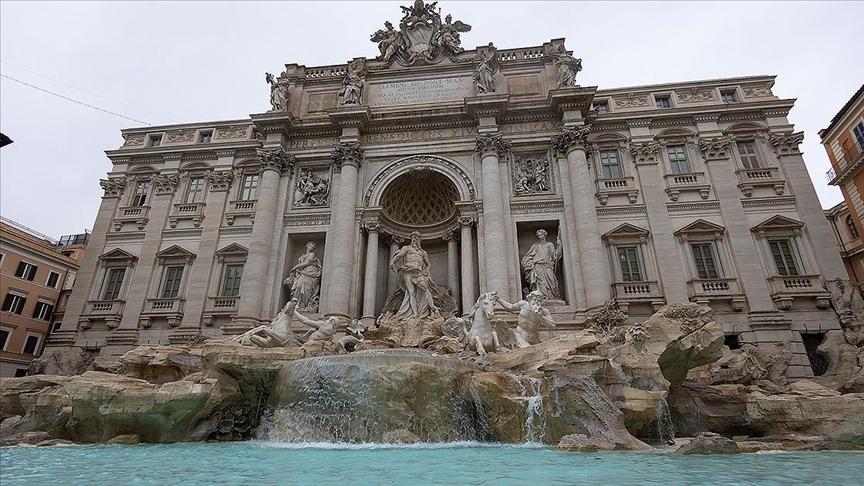
The Trevi Fountain, is a monumental fountain located in the heart of Rome, where narrow streets open into a square. Its architectural composition, integrated like a palace façade, reflects the urban design sensibility of late Baroque period in Rome. The fountain was designed as a focal point uniting the city’s water infrastructure with its public representational space.
The fountain’s current monumental form took shape in the 18th century. Its design was based on the dramatic spatial arrangements and the integration of sculpture and architecture characteristic of Baroque aesthetics. The construction process advanced through the simultaneous planning of the architectural façade and the sculptural composition. It was conceived as the culmination of Rome’s ancient tradition of water conveyance.
The Trevi Fountain marks the terminus of the ancient Acqua Vergine aqueduct, one of the few water systems in Rome that has operated continuously since the Roman Imperial period. The fountain’s “terminal” nature is emphasized by the way the water is revealed within an architectural and sculptural scene.
The main architectural framework of the fountain is based on a façade reminiscent of a palace’s scenae frons. The large central niche serves as the focal point of the sculptural composition. The side niches and pilasters create a rhythmic façade pattern. Architectural elements function as a stage that frames the sculptural movement.
In the central niche, the mythological figure of Oceanus, associated with the sea, is depicted. The figure is designed in a dynamic forward-moving posture within a rocky niche. The rocky masses beneath and around Oceanus create the impression of a natural grotto. Two Triton figures in the composition exhibit opposing movements, symbolizing the contrast between control and chaos of water.
The wide basin in front of the sculpture allows water to spill from the architectural façade into the square. The flow of water is arranged in layered and multidirectional patterns. This arrangement reflects the Baroque understanding of movement, sound, and visual dynamism. The continuous motion of water unifies the sculpture and architecture into a single cohesive experience.
Light-colored stone and marble are predominantly used in the fountain. The choice of materials was made to enhance light and shadow effects. Deep recesses and protrusions on the surfaces produce strong contrasts under daylight. The intricate craftsmanship on the sculptural surfaces highlights the figures’ movement and anatomical emphasis.
The Trevi Fountain embodies the defining characteristics of late Baroque style: dramatic scale, theatrical staging, the inseparable unity of architecture and sculpture, and a spatial design aimed at immersing the viewer. The fountain is not merely a water structure but has been conceived as a visual and sensory experience.
The fountain is one of the structures in Rome that symbolize the relationship between water and public life. It brings together the continuity of ancient infrastructure with the artistic language of the Baroque period. As a monumental structure within the public space, it is regarded as an example that underscores both the vital and symbolic value of water.
In February 2026, significant changes were implemented regarding access and direct visits to the Trevi Fountain in Rome (Italian: Fontana di Trevi). Tourists wishing to descend directly into the fountain’s pool and lower levels are now required to pay a fee of 2 euros. This policy was introduced by authorities due to the overwhelming tourist traffic around the fountain and the extremely high crowd density during certain hours of the day.

The Trevi Fountain Becomes Paid - 2 February 2026 (Anadolu Agency)
The area surrounding the Trevi Fountain is a major destination for millions of tourists drawn to Rome because of its historical, cultural, and architectural significance. Therefore, different levels of access have been defined for visitors who wish to descend into the pool versus those who prefer to view the fountain from a distance. Access to the square and upper levels offering a view of the fountain remains free, while entry to the pool edge requires a ticket. The policy came into effect on 1 February 2026.
Officials responsible for tourism and cultural heritage preservation within the Rome City Council explained that this regulation aims to limit direct access to the fountain, manage visitor density, and ensure sustainable tourist flows in similar historic sites. The policy applies during designated time periods, which differ between weekdays and weekends.
As of 2026, the fee for approaching the Trevi Fountain is set at 2 euros. This fee applies only to access to the area containing the lower pool; access to the upper area of the square, which provides an overall view of the fountain, remains free. The policy operates from 11:30 to 22:00 on weekdays and from 09:00 to 22:00 on weekends. Visitors wishing to approach the fountain outside these designated hours may do so without paying any fee.
The paid access policy also includes exemptions for certain groups. Residents of Rome and its surroundings, persons with disabilities and their companions, children under six years of age, and guided tour groups are exempt from the fee. These exemptions aim to ensure continued access for the local population and specific visitor categories to the historic site.
Alessandro Onorato, Council Member for Tourism in the Rome City Council, stated that the objectives of the ticketing system include ensuring visitor safety and contributing to the maintenance and preservation of the fountain. The revenue generated under this system is expected to be directed toward the upkeep of historic sites.
Pre-implementation projections and media reports estimated that the paid access system for the Trevi Fountain would generate an annual revenue of approximately 6.5 to 6 million euros. This revenue is not intended solely for the Trevi Fountain but is also considered a potential funding source for the maintenance of other cultural heritage sites in Rome.
Some reports indicate that the policy was introduced to regulate tourist flows, ensure a more controlled and safer experience for visitors approaching the fountain, and reduce congestion around the structure to alleviate physical pressure on the site. Such management practices are increasingly adopted at other high-traffic heritage sites, aiming to direct tourist movement more sustainably through various access control methods.
Anadolu Ajansı. "Roma’nın Tarihi Trevi Çeşmesi Turistler İçin Ücretli Hale Geldi." February 3, 2026. Accessed February 3, 2026. https://www.aa.com.tr/tr/kultur/romanin-tarihi-trevi-cesmesi-turistler-icin-ucretli-hale-geldi/3817909.
Anadolu Ajansı. "Trevi Çeşmesi: Roma’nın Kültürel Simgesi Olmaya Devam Ediyor." Foto Galeri. February 3, 2026. Accessed February 3, 2026. https://www.aa.com.tr/tr/pg/foto-galeri/trevi-cesmesi-roma-nin-kulturel-simgesi-olmaya-devam-ediyor/146.
Euronews Türkiye. "Romalarda Trevi Çeşmesi’ne Yaklaşmak Artık Ücretli." February 3, 2026. Accessed February 3, 2026. https://tr.euronews.com/2026/02/03/romada-trevi-cesmesine-yaklasmak-artik-ucretli.
La Russa, Maria F. "The Oceanus statue of the Fontana di Trevi (Rome)." ScienceDirect (2017). Accessed February 3, 2026. https://www.sciencedirect.com/science/article/abs/pii/S0048969717307088.
Pinto, John A. *The Trevi Fountain*. New Haven: Yale University Press, 1986. A&AePortal. Accessed February 3, 2026. https://aaeportal.com/publications/-16690/the-trevi-fountain.

Type(s) | Monumental fountain | ||||||||
|---|---|---|---|---|---|---|---|---|---|
Period(s) | 18th century | ||||||||
Architectural Style(s) | Late Baroque | ||||||||
Location | Italy Rome | ||||||||
Water Source | Acqua Vergine (ancient aqueduct line) | ||||||||
Historical Development and Construction
Architectural Composition
Sculptural Composition
Materials and Craftsmanship
Stylistic Features
Public Function and Cultural Significance
Trevi Fountain Visit and Paid Access Policy
Conditions and Operation of the Policy
Annual Revenue and Management Dimensions