


This article was automatically translated from the original Turkish version.
+1 More
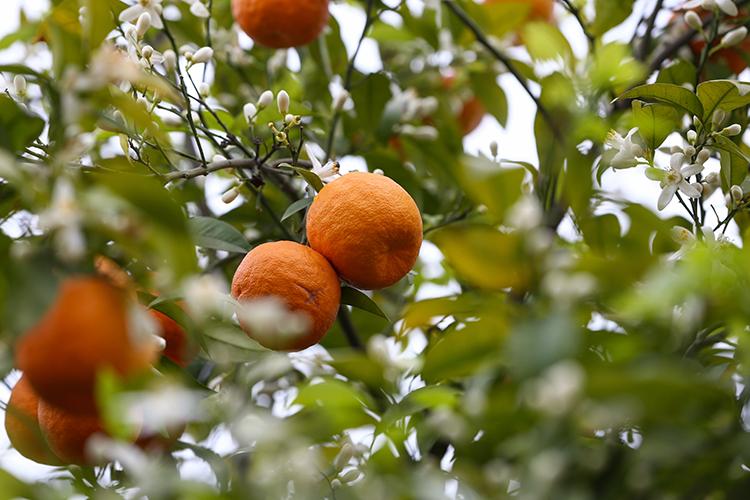
Bitter orange (Citrus aurantium) is an important fruit in Türkiye, both for agricultural production and industrial use. It is commonly used as a rootstock for citrus species such as orange, lemon and mandarin. Additionally, it is valued in the production of jams, marmalades, perfumes and pharmaceuticals.
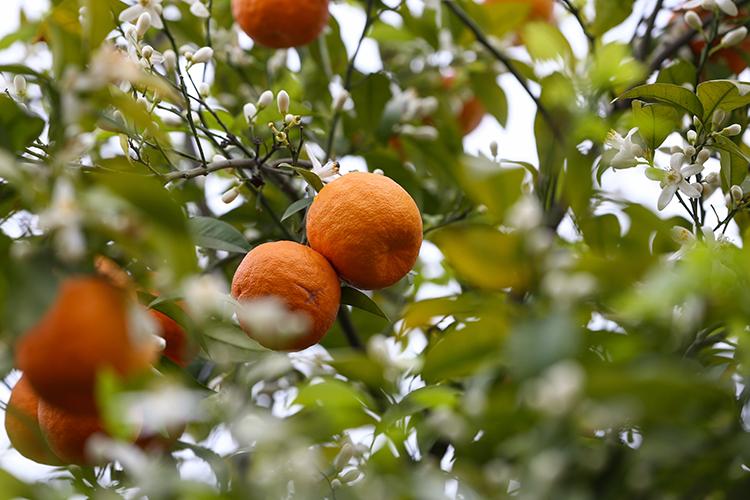
Bitter orange - (Anadolu Agency)
Bitter orange thrives in subtropical climatic conditions. It is sensitive to low temperatures and can suffer damage at temperatures below -4°C. Therefore, in Türkiye it is cultivated primarily in the Mediterranean and Aegean regions, as well as certain coastal areas of the Eastern Black Sea.
In terms of soil, bitter orange prefers well-drained, slightly acidic (pH around 6) soils rich in organic matter. Its roots can reach depths of 30 to 90 cm, so soil depth should be at least 1.5 to 2 metres. The most critical factor is that the soil must have a well-aerated structure, as bitter orange roots require high levels of oxygen and are highly sensitive to anaerobic conditions. They rapidly exhibit signs of root suffocation in heavy, poorly aerated soils.
Growth rates increase significantly up to temperatures of 18–20°C. Growth peaks at 26–28°C, which is the temperature range where development is fastest and photosynthetic activity is highest. Growth and development slow down at 30–32°C and nearly cease at 38–39°C, reaching their lowest levels. Growth is negligible below 12.8°C and practically nonexistent.
Bitter orange is primarily used as a rootstock in citrus cultivation, especially for grafting orange, lemon and mandarin trees. Its fruit is used in jam and marmalade production, while the essential oils extracted from its peel are valuable in the perfume and cosmetics industries.
Citrus production in Türkiye is concentrated predominantly in the Mediterranean Region. Major production occurs in the provinces of Mersin, Adana and Hatay, as well as in Antalya and Muğla. In 2020, Türkiye produced a total of 4.3 million tonnes of citrus fruits.
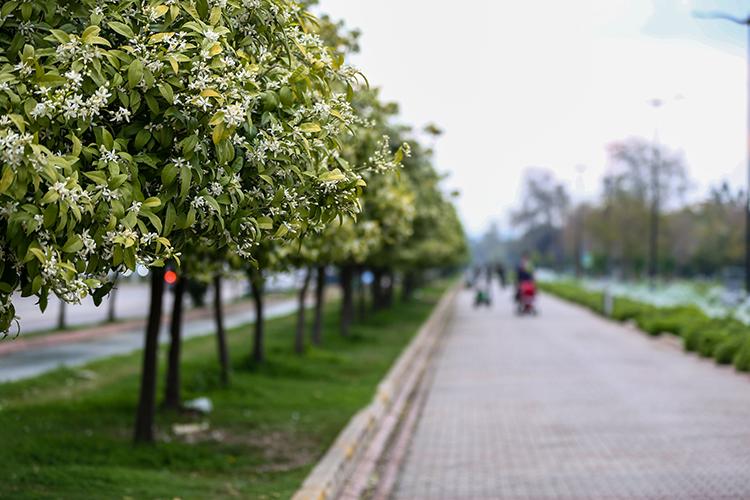
Bitter orange tree (Anadolu Agency)
Pruning, fertilization and disease control are essential in citrus cultivation. Pruning is necessary for healthy tree development and productivity. Fertilization must be carried out based on soil and leaf analyses.
In disease management, the use of certified planting material is recommended, particularly to combat viral diseases. Türkiye is implementing citrus virus eradication programs to produce healthy planting material.
Bitter orange holds a significant position in Türkiye both in agricultural production and industrial applications. When grown under suitable climatic and soil conditions, it yields high productivity and quality. Furthermore, its use as a rootstock in citrus cultivation further enhances its importance.
Anadolu Ajansı. "Turunç ve narenciye cenneti Adana'yı portakal çiçeği kokusu sardı." Last updated April 4, 2023. Accessed May 5, 2025. https://www.aa.com.tr/tr/yasam/turunc-ve-narenciye-cenneti-adanayi-portakal-cicegi-kokusu-sardi/2863191.
BATEM (Western Mediterranean Agricultural Research Institute Directorate). "Turunçgil Yetiştiriciliği." Date Published: 2022. Accessed May 5, 2025. https://arastirma.tarimorman.gov.tr/alata/Belgeler/brosurler/brosur2022/Turun%C3%A7gilYeti%C5%9Ftiricili%C4%9Fi-OnurUYSAL.pdf.
Foodelphi. "Turunçgil Yetiştiriciliği." Accessed May 5, 2025. https://www.foodelphi.com/turuncgil-yetistiriciligi/.
Kahramanmaraş Büyükşehir Belediyesi. "Turunç." Accessed May 5, 2025. https://kahramanmaras.bel.tr/bitki-bilgi-katalogu/turunc.
Tarfin. "Turunçgil Çeşitleri Nelerdir? Turunçgil Yetiştiriciliği." Accessed May 5, 2025. https://tarfin.com/blog/turuncgil-cesitleri-nelerdir-turuncgil-yetistiriciligi.
Tarım Kütüphanesi. "Turunçgil Yetiştiriciliği." Accessed May 5, 2025. https://www.tarimkutuphanesi.com/turuncgil_yetistiriciligi_00467.html.
Ziraat Mühendisleri Odası. "Türkiye’de Turunçgil Üretimi, Dış Ticareti ve Sorunları." Accessed May 5, 2025. https://www.zmo.org.tr/icerik/turkiye-8217-de-turuncgil-uretimi-dis-ticareti-ve-sorunlari-19530.

Agricultural Characteristics
Uses
Regions of Cultivation in Türkiye
Agricultural Practices and Management