


This article was automatically translated from the original Turkish version.
Type 1 Diabetes
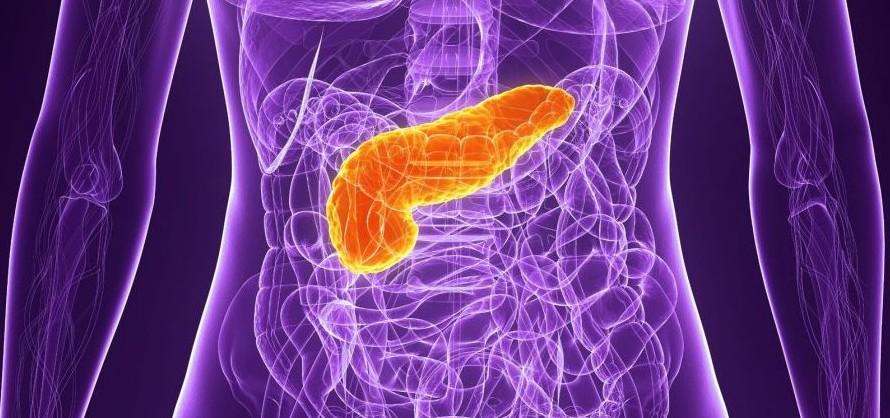
Insulin | Insulin is a hormone secreted by beta cells in the pancreas, an organ located behind the stomach. It enables glucose to enter cells from the blood, thereby reducing blood sugar levels. | ||||||||
|---|---|---|---|---|---|---|---|---|---|
Autoimmune | It is a condition in which the body's immune system mistakenly identifies its own healthy tissues as foreign and attacks them. | ||||||||
HbA1c Test | It is a blood test that shows your average blood glucose level over the past two to three months. | ||||||||
Type 1 diabetes is a chronic metabolism disease caused by the failure of insulin production due to the destruction of beta cells in the pancreas damage. Although typically diagnosed during childhood or adolescence, it can occur at any age. Classified as an autoimmune disease, type 1 diabetes requires lifelong insulin supplementation, necessitating continuous health management by affected individuals life. According to data from the World Health Organization (WHO), type 1 diabetes accounts for approximately 5 to 10 percent of all diabetes cases.
The exact cause of type 1 diabetes is unknown, but it is believed to be triggered by an interaction between genetic susceptibility and environmental factors such as viral infections and nutrition habits. Mutations in the HLA gene group are among the most significant genetic risk factors. Additionally, variations in prevalence across geographic regions—for example, higher rates in Finland—highlight the importance of environmental influences.
The disease presents with sudden onset symptoms including excessive thirst (polydipsia), frequent urination (polyuria), unexplained weight loss, and fatigue like. Elevated blood glucose levels (hyperglycemia) and the presence of ketones in urine support the diagnosis. A definitive diagnosis is established through fasting blood glucose measurement, HbA1c testing, and autoantibody screening (anti-GAD, anti-IA2).

The primary treatment for type 1 diabetes is external replacement of the missing insulin. For this purpose, rapid-acting, intermediate-acting and long-acting insulins are used. Today, technologies such as insulin pumps and continuous glucose monitoring systems (CGM) facilitate better blood glucose control. Treatment plans are supported by dietary management, regular physical activity, and patient education.

The disease affects individuals’ quality of life not only physically but also psychologically. Particularly among adolescents, difficulties adhering to treatment and diabetes-related anxiety are common. Diabetes education programs and support groups play a critical role during this process. Moreover, initiatives to increase school and awareness in schools and workplaces facilitate social integration.
American Diabetes Association. (2023). Standards of Medical Care in Diabetes.
International Diabetes Federation. (2021). IDF Diabetes Atlas, 10th Edition.
World Health Organization. (2023). Global Report on Diabetes. https://who.int

Type 1 Diabetes
Insulin | Insulin is a hormone secreted by beta cells in the pancreas, an organ located behind the stomach. It enables glucose to enter cells from the blood, thereby reducing blood sugar levels. | ||||||||
|---|---|---|---|---|---|---|---|---|---|
Autoimmune | It is a condition in which the body's immune system mistakenly identifies its own healthy tissues as foreign and attacks them. | ||||||||
HbA1c Test | It is a blood test that shows your average blood glucose level over the past two to three months. | ||||||||
Causes and Risk Factors
Signs and Diagnosis
Treatment and Management
Social and Psychological Impact