


This article was automatically translated from the original Turkish version.
+2 More
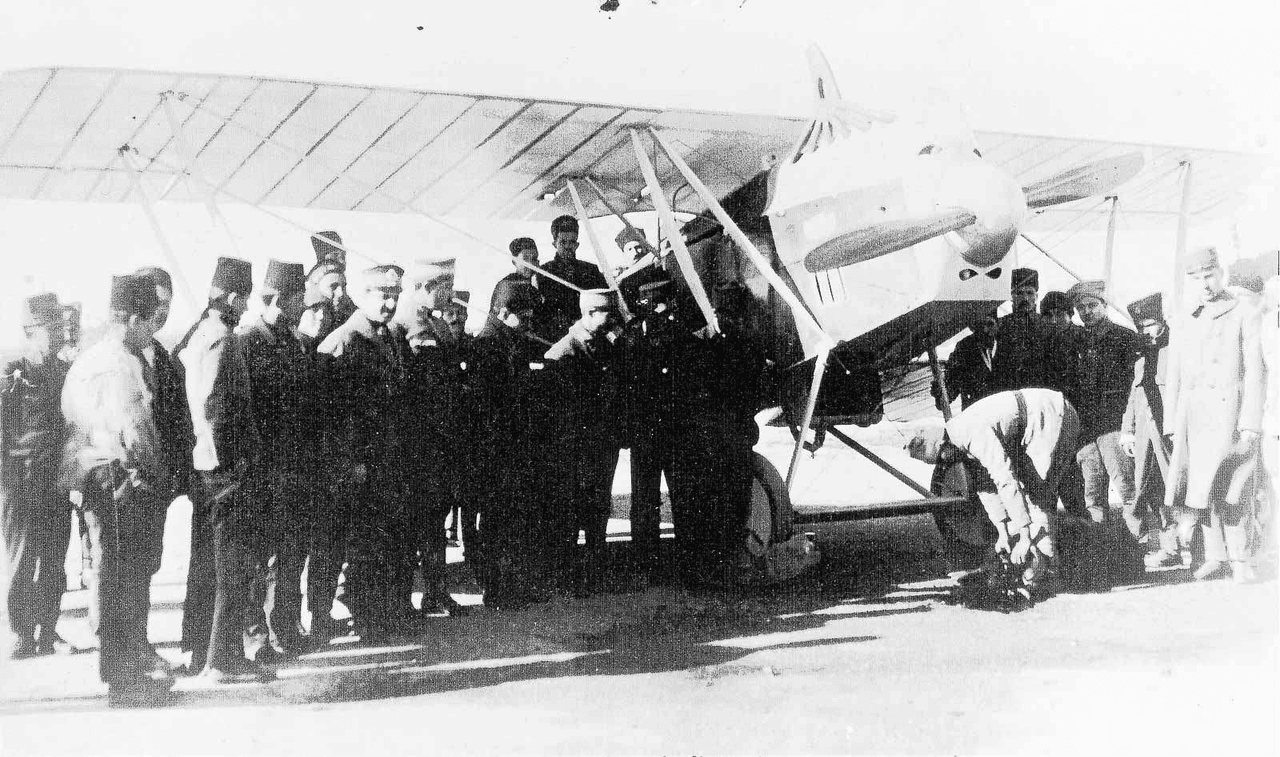
Vecihi K-VI - The First Turkish Aircraft
Producer(s) | Vecihi Hürkuş | ||||||||
|---|---|---|---|---|---|---|---|---|---|
First Flight(s) | 28 January 1925 | ||||||||
Entry into Service | 1925 (limited, civilian use) | ||||||||
Aircraft Type(s) | Single-engine propeller-driven training and reconnaissance aircraft single-seat | ||||||||
Materials and Construction | Wooden fuselage, fabric covering, domestically produced | ||||||||
Engine(s) | Benz brand (6-cylinder water-cooled) 200 HP | ||||||||
Maximum Speed | 207 km/h | ||||||||
Prominent Features | The first domestically designed and produced aircraft in Türkiye. Since flight permission was not granted, Hürkuş transported and flew it from Istanbul to Ankara using his own resources. After failing to obtain flight permission, Hürkuş decided to establish his own aviation school | ||||||||
Vecihi K-VI is one of the most significant milestones in Turkish aviation history. This biplane, recorded as Türkiye’s first aircraft designed and manufactured domestically, was brought to life through the vision and determination of Vecihi Hürkuş, a pioneer of our aviation. Emerging in the early 1920s during a period of Türkiye’s development efforts, the Vecihi K-VI stood as a tangible demonstration of Turkish engineering and aviation expertise despite limited resources. The aircraft transcended its role as a mere machine, becoming a symbol of the nation’s quest for independence in aviation and its hopes for the future.
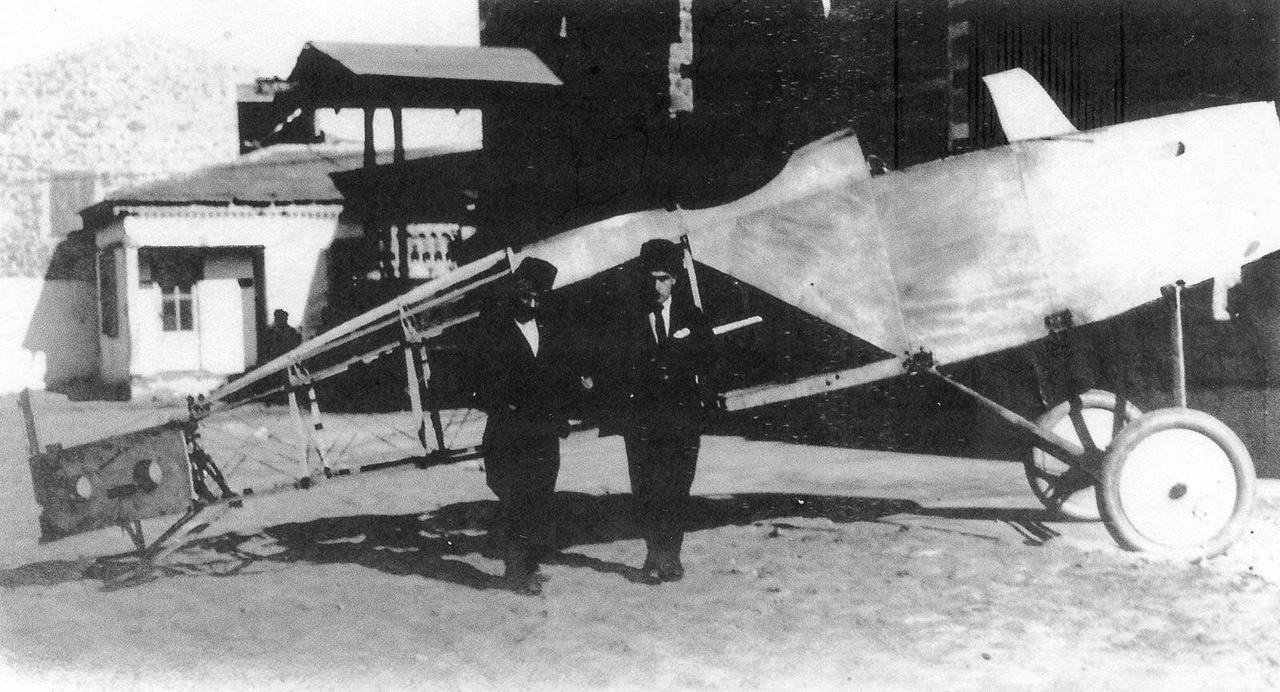
Vecihi K-VI (Aviator Vecihi)
Vecihi Hürkuş has played roles in Turkish aviation history not only as a pilot but also in engineering, design, education, and entrepreneurship. He served as a pilot during the War of Independence and, after the war, undertook various initiatives to advance both civil and military aviation. His knowledge and passion for aviation led him to take steps toward designing and building his own aircraft. Despite the economic and technological constraints of the era, he continued his work in this field. The design and production of the Vecihi K-VI emerged as the result of his individual efforts.
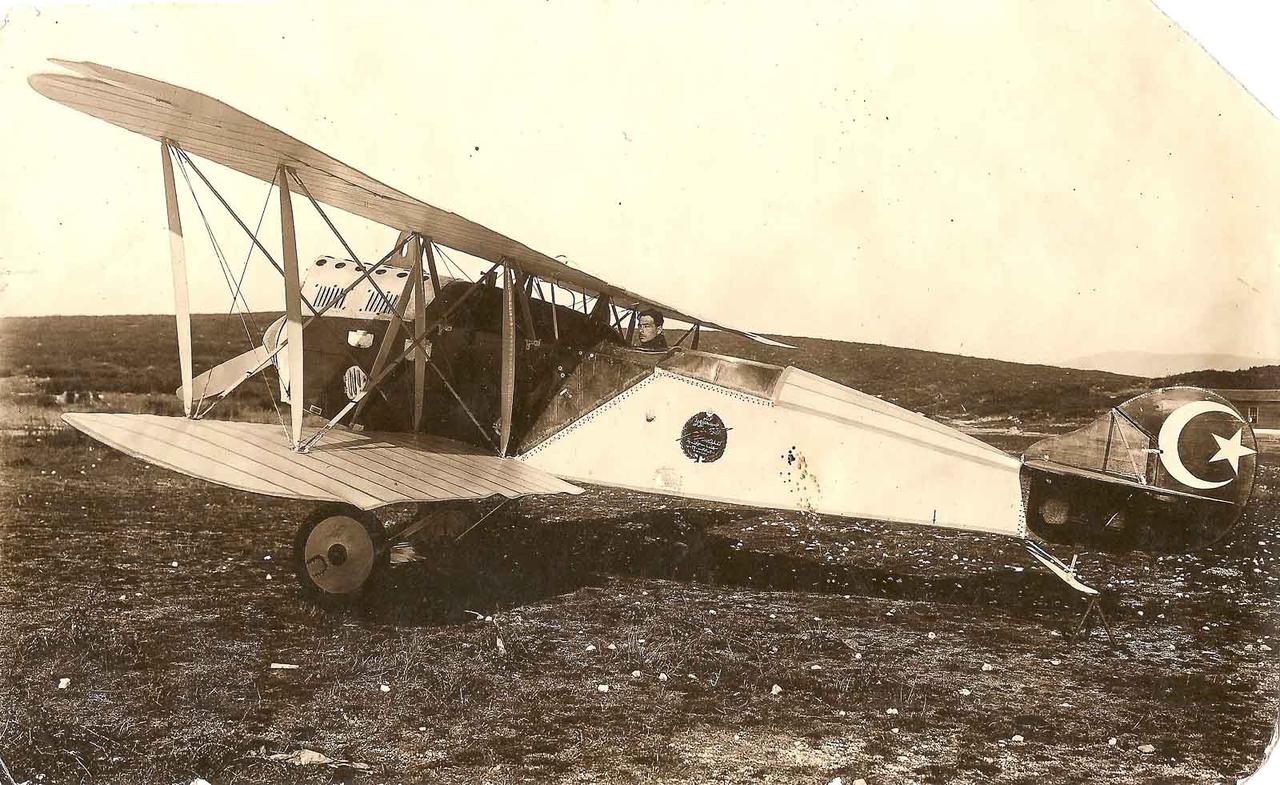
The design and production of the Vecihi K-VI were carried out within the constraints of Türkiye’s limited aviation infrastructure and technological capabilities at the time. During this period, when aviation technology was still in its early stages, Vecihi Hürkuş initiated the project using available knowledge and workshop facilities. The aircraft’s fundamental aerodynamic principles and structural features were determined through Hürkuş’s own drawings and calculations. Materials used in production were largely sourced locally, and in some cases, parts from older aircraft were repurposed. The Vecihi K-VI was designed as a biplane, a configuration common at the time and known for providing sufficient lift at low speeds. Its single-engine configuration aligned with the motor technology and availability of the era.

Vecihi K-VI (
When presenting the results of his project, Vecihi Hürkuş stated that the key characteristics of the Vecihi K-VI were based on theoretical foundations as follows:
THE FIRST TURKISH AIRCRAFT VECİHİ K-VI (YouTube)
The first flight of the Vecihi K-VI is recorded as one of the earliest aviation initiatives in Turkish history. The flight attracted considerable attention from the press and public of the time. It demonstrated that the aircraft’s fundamental design was flight-worthy. However, serial production and widespread use of the Vecihi K-VI were never realized. This was due to the economic conditions of the era, the underdeveloped state of the aviation industry, and administrative limitations. The Vecihi K-VI is regarded as one of the first domestic attempts to design and build an aircraft in Türkiye.
The Vecihi K-VI is recorded in Turkish aviation history as one of the pioneering domestic aircraft projects. This initiative, driven by Vecihi Hürkuş’s individual efforts, is considered one of the foundational examples that paved the way for later developments in aviation. Despite limited technical and financial resources, the completion of this project formed part of Türkiye’s early aviation activities. The Vecihi K-VI is remembered as a historical landmark in the development of modern Turkish aviation industry.
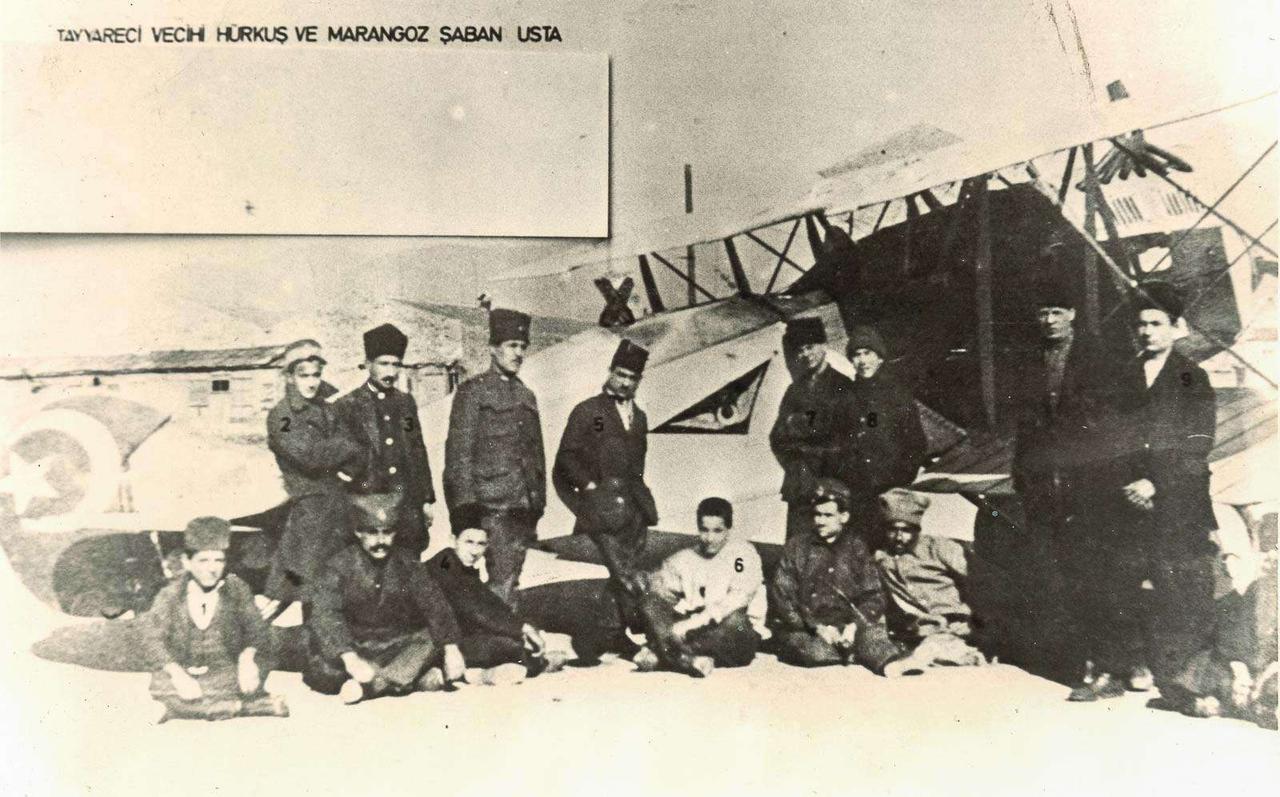
Vecihi K-VI - 1924 "Tayyareci Vecihi Hürkuş and Carpenter Şaban Usta" (
AA. "Türk havacılığının ilk filizlerini yeşerten pilot: Vecihi Hürkuş." Accessed May 13, 2025. https://www.aa.com.tr/tr/gundem/turk-havaciliginin-ilk-filizlerini-yeserten-pilot-vecihi-hurkus/3276472.
Atatürk Ansiklopedisi. "Vecihi Hürkuş (1895-1969)." Accessed May 13, 2025. https://ataturkansiklopedisi.gov.tr/detay/141/Vecihi_H%C3%BCrku%C5%9F_(1895-_1969).
Bağımsız Havacılar. "100'üncü Yılında Türkiye'de Üretilen İlk Uçak: Vecihi K-VI." Accessed May 13, 2025. https://www.bagimsizhavacilar.com/100uncu-yilinda-turkiyede-uretilen-ilk-ucak-vecihi-k-vi/.
THK. "Vecihi Hürkuş." Accessed May 13, 2025. https://www.thk.org.tr/vecihi_hurkus.
TRT Haber. "Asırlık mesele: Vecihi K-VI'dan KAAN'a giden yol." Accessed May 13, 2025. https://www.trthaber.com/haber/gundem/asirlik-mesele-vecihi-k-vidan-kaana-giden-yol-895906.html.
Tayyareci Vecihi. "Hürkuş'un Kullandığı 102 Tip Uçak / İlk Türk Uçağı Vecihi K-VI." Accessed May 13, 2025. https://tayyarecivecihi.com/vecihi-hurkus/hurkusun-kullandigi-102-tip-ucak/ilk-turk-ucagi-vecihi-k-vi/.
Vizyoner Genç. "İlk Türk Uçağı: Vecihi K-VI." Accessed May 13, 2025. https://vizyonergenc.com/icerik/i-lk-turk-ucagi-veci-hi-k-vi.
YouTube. "İLK TÜRK UÇAĞI VECİHİ K-VI." Accessed May 13, 2025. https://www.youtube.com/watch?v=Purm1nQzaho.


Vecihi K-VI - The First Turkish Aircraft
Producer(s) | Vecihi Hürkuş | ||||||||
|---|---|---|---|---|---|---|---|---|---|
First Flight(s) | 28 January 1925 | ||||||||
Entry into Service | 1925 (limited, civilian use) | ||||||||
Aircraft Type(s) | Single-engine propeller-driven training and reconnaissance aircraft single-seat | ||||||||
Materials and Construction | Wooden fuselage, fabric covering, domestically produced | ||||||||
Engine(s) | Benz brand (6-cylinder water-cooled) 200 HP | ||||||||
Maximum Speed | 207 km/h | ||||||||
Prominent Features | The first domestically designed and produced aircraft in Türkiye. Since flight permission was not granted, Hürkuş transported and flew it from Istanbul to Ankara using his own resources. After failing to obtain flight permission, Hürkuş decided to establish his own aviation school | ||||||||
Vecihi Hürkuş and the K-VI
Design and Production Process
Technical Specifications
First Flight and Aftermath
Enduring Legacy and Significance in Turkish Aviation History