

+1 More

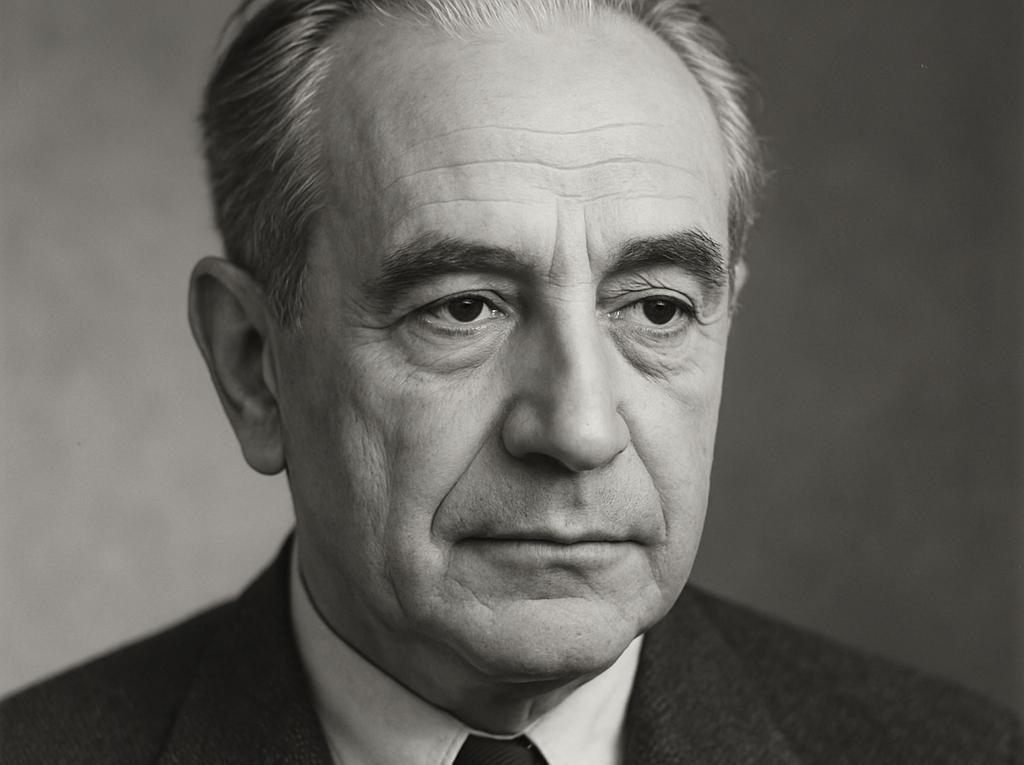
Vedat Nedim Tör (created with YZ)
Eş | Alice Hanım | ||||||||
|---|---|---|---|---|---|---|---|---|---|
Year of Birth | 1897 | ||||||||
Place of Death | Istanbul | ||||||||
Babası | Ahmet Nedim Servet Tör (Ottoman bureaucrat and National Literature period writer) | ||||||||
Ölüm tarihi | 1985-04-08 | ||||||||
Place of Birth | Istanbul | ||||||||
Education | Galatasaray Sultanisi (1916) Berlin Higher School of Commerce – PhD (1922) | ||||||||
Profession(s) | Bureaucrat Cultural Advisor Publisher Writer | ||||||||
Çocuk | Manuella Engin | ||||||||
Positions and Services | 1933–1937: Director General of Press, 1938: Director of Tourism, 1938–1943: Management of Ankara Radio and Ankara Electricity Company, 1945–1969: Cultural Advisor at Yapı Kredi Yayınları, after 1970: Cultural and Art Advisor at Akbank | ||||||||
Journals Published | Hep Bu Toprak, Yurdunu Tanı, Yurdunu Sev, Aile, Küçük Kardeş, Doğan Kardeş, Sanat Dünyamız | ||||||||
Vedat Nedim Tör was an intellectual who lived through the transition from the Ottoman Empire to the Republic of Türkiye, participating in various political and cultural institutions place. He was active within the Kadro Movement, which played a key role in the ideological formation of the Republic important, holding high-ranking positions in multiple levels of the state. Through his academic and intellectual activities, he made significant conceptual contributions to economic, political, and cultural fields.
Born in Istanbul in 1897, Vedat Nedim Tör was the son of Ahmet Nedim Servet Tör, a high-ranking official in the Ottoman Ministry of War bureaucrat and author. He received his primary education at neighborhood and graduated from Galatasaray Sultanisi in 1916. He then began higher education at the Berlin Higher Economics School Trade, where he studied economics and completed his doctorate before returning to Türkiye in 1922.
After returning to Türkiye, Tör turned to political activity and became one of the founders of the Türkiye İşçi ve Çiftçi Sosyalist Fırkası. He also wrote articles for the publications “Light” and “Kurtuluş” like. Following the Communist Arrests of 1925 and 1927, he ended his political activities and shifted toward bureaucratic roles. In 1929, he was appointed president of the newly established National Society of Economics and Savings Savings. Between 1933 and 1937, he served as Director General of the Directorate of Press Press, then as Director of Tourism in 1938, followed by managerial roles at Ankara Radio and Electricity Company. During this period, he published the multilingual promotional magazine “La Turquie Kemaliste.” From 1945 to 1969, he worked at Building Credit Bank, and after 1970, he served as an advisor at duration Akbank .
Vedat Nedim Tör’s political life is closely tied to the ideological and structural transformations of early Republican Türkiye. His political activities were shaped primarily within the framework of socialist movements and statist policies during the 1920s and 1930s.
While pursuing his higher education in Berlin, Tör became acquainted with Marxist thought and began forming his political views. During his student years in Germany, he developed socialist inclinations and was particularly influenced by the lectures of Werner Sombart. After returning to Türkiye, he engaged in political activities around the Türkiye Komünist Partisi (TKP) in the early 1920s, publishing articles in left-wing publications such as Aydınlık and Kurtuluş.
The communist arrests of 1925 and 1927 created a turning point in Tör’s political trajectory. At the time when the General Secretary of the TKP, Şefik Hüsnü, was abroad, Vedat Nedim Tör temporarily assumed the position. He was later criticized for handing over party documents to authorities during the 1927 arrests, citing his statements as justification. This development led to the severing of his ties with the TKP and prompted his eventual shift toward a different political line.
Following the 1929 World Economic Crisis, as statist economic policies intensified, Tör accepted an invitation from Ankara and was appointed president of the Milli İktisat ve Tasarruf Cemiyeti, thereby redirecting his political orientation from socialist foundations to bureaucratic statism.
The journal Kadro, published between 1932 and 1934, became a crucial platform for the reformation of Tör’s political thought. He was among the founders of Kadro, alongside figures such as Yakup Kadri Karaosmanoğlu, Şevket Süreyya Aydemir, Burhan Asaf Belge, and İsmail Hüsrev Tökin together, and served as its editorial director. The Kadro Movement was regarded as a significant effort in establishing the ideological foundation of statism in Türkiye; Tör contributed numerous writings on economics and development. In his article titled “Colony İktisadiyatından Millet İktisadiyatına,” he argued that Türkiye must escape its colonial-type economy.
His launch of the multilingual magazine La Turquie Kemaliste also demonstrated the international dimension of his political discourse. Through this publication, the Kemalist regime sought to introduce Türkiye’s cultural and economic achievements to the international public.
Tör never established a direct party affiliation with the Cumhuriyet People Partisi; however, through his intellectual activities centered on Kadro and his appointments in state ranks, he followed a line aligned with the Republican regime. From 1933 to 1937, he served as Director General of Press, followed by involvement in various cultural and promotional activities. This trajectory indicates that Tör’s political identity increasingly shifted toward bureaucratic and ideological spheres process production.
Vedat Nedim Tör’s literary life developed in parallel with his political and intellectual identity, contributing to the conceptual construction of the Republican era. His literary activities were primarily shaped around ideologically charged content during the 1920s and 1930s.
Tör’s engagement with literature gained momentum through his intellectual and literary explorations during his studies in Berlin. After returning to Türkiye, during the period when he embraced Marxist views, he wrote articles for left-leaning publications such as Aydınlık and Kurtuluş. The topics he addressed generally focused on the impact of socialist theory on economics and society.
The journal Kadro, published between 1932 and 1934, stood at the center of Tör’s literary and intellectual output. He served as its editorial director and authored numerous economic and social writings. In his article “Müstemleke İktisadiyatından Millet İktisadiyatına,” he defended Türkiye’s economic independence and argued for a departure from colonial economic structures. In another article in the same journal, titled “Değişen World Münasebetleri İçinde Türkiye,” he emphasized the importance of Türkiye adopting planned economic strategies in its international economic relations. These writings exemplify the fusion of Tör’s literary style with ideological orientation.
Tör’s literary activities were not limited to adult audiences; he expanded his reach through publications targeting different age groups. Among the periodicals he launched after 1943 were Hep Bu Toprak, Yurdunu Tanı, Yurdunu Sev, Aile, Küçük Kardeş, Doğan Kardeş, and Sanat Dünyamız. Through these publications, he ensured the dissemination of cultural and artistic content to the public. Particularly Doğan Kardeş and Küçük Kardeş child magazines exemplify Tör’s publishing philosophy aimed at reaching broad audiences.
Tör’s autobiographical work, Yıllar Böyle Geçti, stands out as a source documenting both his personal life story and the political and cultural transformations he witnessed. In this work, he narrated his intellectual quests during youth, his political activities, and his bureaucratic roles in first-person.
Tör’s literary production is not confined within traditional literary genres classical such as poetry, novel, and story. His writings primarily take the form of essays, idea articles, and autobiographical narratives, with ideological orientations and contemporary issues taking center stage.
Vedat Nedim Tör’s most significant intellectual contribution is the journal Kadro, published between 1932 and 1934, which aimed to establish the ideological foundations of the Kemalist revolution. As its editorial director, Tör championed an economic model based on statism. In his writings for Kadro, he advocated for Türkiye’s emergence from a colonial-type economy and promoted the concept of “milli iktisat.” He also created a vital platform for promoting Türkiye in the Western world through the magazine La Turquie Kemaliste. His reforms and promotional activities in tourism significantly contributed to the institutionalization of Turkish tourism.
Vedat Nedim Tör married Alice Hanım, a German citizen he met during his studies in Berlin. From this marriage, he had two children named Engin and Manuella. During his cultural work, he particularly produced publications aimed at children, gaining attention through the magazines “Doğan Sibling” and “Small Kardeş.”
After serving in cultural advisory roles, Tör retired in 1977 and died in Istanbul on 8 April 1985.
Vedat Nedim Tör was an active figure in early Republican Türkiye in the fields of politics, thought, and public administration. Through Kadro, he made a crucial contribution to the formation of an ideological framework. His contributions to statism, national economics, development thinking, and cultural promotion provided an intellectual foundation for Türkiye’s modernization process. His role within the Kadro Movement constitutes an important example in both historical and intellectual history.
Akbaş, Onur. "Vedat Nedim Tör (1897-1985)." Atatürk Ansiklopedisi. Accessed April 7, 2025. https://ataturkansiklopedisi.gov.tr/bilgi/vedat-nedim-tor-1897-1985/
Demirci, Fatih. "Kadro Hareketi ve Kadrocular." Dumlupınar Üniversitesi Sosyal Bilimler Dergisi, no. 15 (August 2006): 35–54.
Güleryüz, Umut. "Vedat Nedim (Tör)’ün Türk Turizmine Katkıları." In 100. Yılında Türkiye Cumhuriyeti: 1923–2023 Uluslararası Sempozyumu, 250–264. Erzurum: Atatürk Üniversitesi Yayınları, 2023.
Karlı, İhsan. "Türkiye Cumhuriyeti’nin Kuruluş Döneminde Kadro Dergisi’nin İdeolojik Tasarımı." Siyaset, Ekonomi ve Yönetim Araştırmaları Dergisi 3, no. 4 (2015): 139–160.
Yaman, Hikmet. “Kadro Hareketi Ve Vedat Nedim Tör Etkisi”. Tarih Ve Gelecek Dergisi 8, no. 4 (December 2022): 1079–98. https://doi.org/10.21551/jhf.1206980.

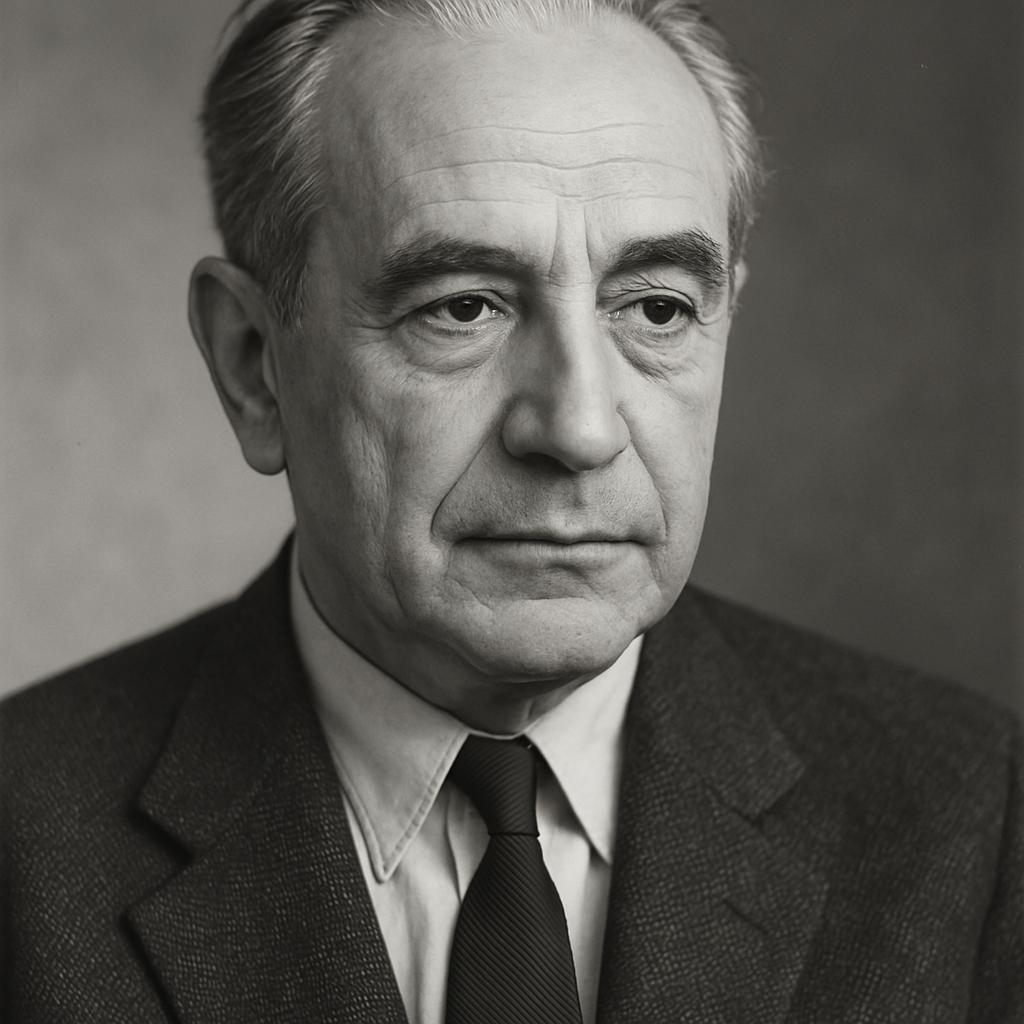
Vedat Nedim Tör (created with YZ)
Eş | Alice Hanım | ||||||||
|---|---|---|---|---|---|---|---|---|---|
Year of Birth | 1897 | ||||||||
Place of Death | Istanbul | ||||||||
Babası | Ahmet Nedim Servet Tör (Ottoman bureaucrat and National Literature period writer) | ||||||||
Ölüm tarihi | 1985-04-08 | ||||||||
Place of Birth | Istanbul | ||||||||
Education | Galatasaray Sultanisi (1916) Berlin Higher School of Commerce – PhD (1922) | ||||||||
Profession(s) | Bureaucrat Cultural Advisor Publisher Writer | ||||||||
Çocuk | Manuella Engin | ||||||||
Positions and Services | 1933–1937: Director General of Press, 1938: Director of Tourism, 1938–1943: Management of Ankara Radio and Ankara Electricity Company, 1945–1969: Cultural Advisor at Yapı Kredi Yayınları, after 1970: Cultural and Art Advisor at Akbank | ||||||||
Journals Published | Hep Bu Toprak, Yurdunu Tanı, Yurdunu Sev, Aile, Küçük Kardeş, Doğan Kardeş, Sanat Dünyamız | ||||||||
Youth and Education
Career and Achievements
Political Life
Literary Life
Contributions
Personal Life
Final Years and Death
Legacy and Influence