


This article was automatically translated from the original Turkish version.
+1 More
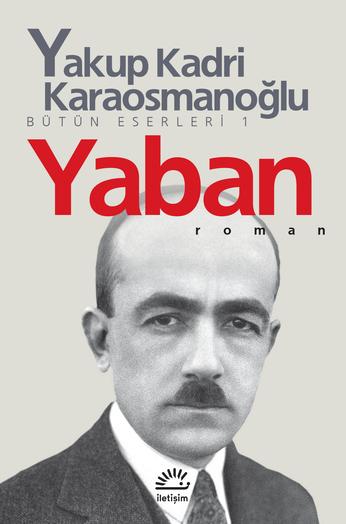
Yakup Kadri Karaosmanoğlu’s 1932 novel Yaban is one of the works in Turkish literature that addresses the distinction between the intellectual and the people. Roman encompasses not only an individual’s dream fracture but also a sociological analysis of an era.
The novel’s central character, Ahmet Celal, is a reserve officer who lost his arm during the First World War. After the occupation of Istanbul, he accepts an invitation from his former orderly Mehmet Ali and settles in a village near Eskişehir, Porsuk River. He expects to live a Anatolia life integrated with the local people; however, what he encounters plunges him into profound disillusionment. The narrative unfolds through Ahmet Celal’s diary entries.
One of the novel’s main themes is the clash of mentalities between urban intellectuals and rural villagers. Ahmet Celal seeks to educate and raise the consciousness of the villagers, but he becomes isolated in the face of their ignorance and indifference. Karaosmanoğlu aims to illustrate through this portrayal the consequence of the Republican elite’s failure to establish a vineyard with the people.
Yaban is written in the form of a personal diary that records Ahmet Celal’s observations. This building aims to immerse the reader in the character’s inner world. Karaosmanoğlu employs realistic descriptions when portraying village life. It is known that words of West origin included in the first editions of the novel were later simplified.
Yaban is a documentary novel that seeks to depict the social structure of the War of Independence years. Written during a period when the Republican ideology was being actively promoted, the work argues that the populace was not prepared for these ideals. For this reason, the novel has been criticized for its negative portrayals of villagers and its one-sidedness.
“Yaban has been highly praised for honestly expressing the chasm between the intellectual and the villager, courageously exposing this wound, and presenting the realities of the Anatolian villager in all their nakedness. It has also been criticized for being one-sided, distorting reality, and portraying only the negative aspects of the villager. The central question debated has always been: Does the villager depicted by Yakup Kadri Karaosmanoğlu reflect the truth, or not?”
Karaosmanoğlu, Yakup Kadri. Yaban. İstanbul: İletişim Yayınları, 2025.
Moran, Berna. Türk Edebiyatına Eleştirel Bir Bakış 1. İstanbul: İletişim Yayınları, 2019.

Subject and Structure
Themes and Central Idea
Narrative Techniques and Style
Characters
Social and Historical Context