


This article was automatically translated from the original Turkish version.
+2 More
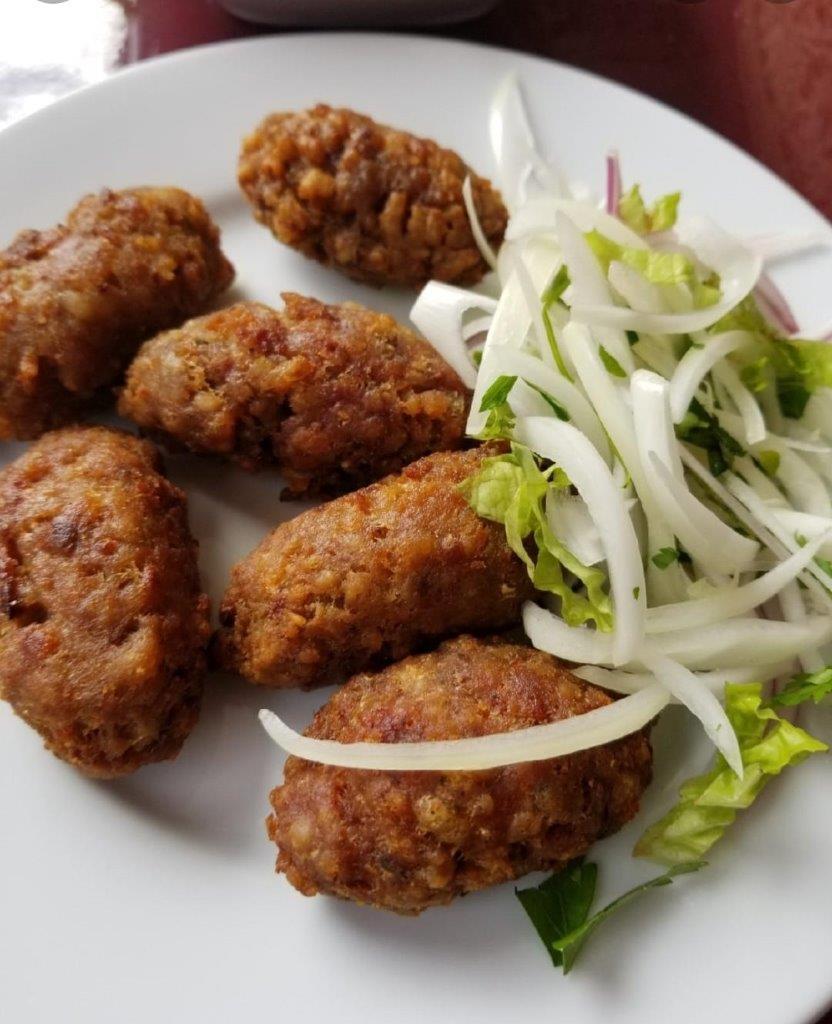
Yalıköy köftesi is a traditional meatball variety produced in the Yalıköy neighbourhood of the Fatsa district in Ordu province, Türkiye, and registered with a geographical indication mark. The product is prepared by mixing lean, sinew-free meat from the foreleg and chest of male or non-lactating female cattle aged 6–24 months with day-old stale bread, garlic, salt, and various spices, kneading the mixture, shaping it into oval-shaped meatballs, and frying them in hot oil. The cooked meatballs weigh approximately 30–35 grams, measure 5–6 centimetres in length and 2–2.5 centimetres in thickness, and their production method and raw materials are tightly bound to the geographical boundaries of the region.
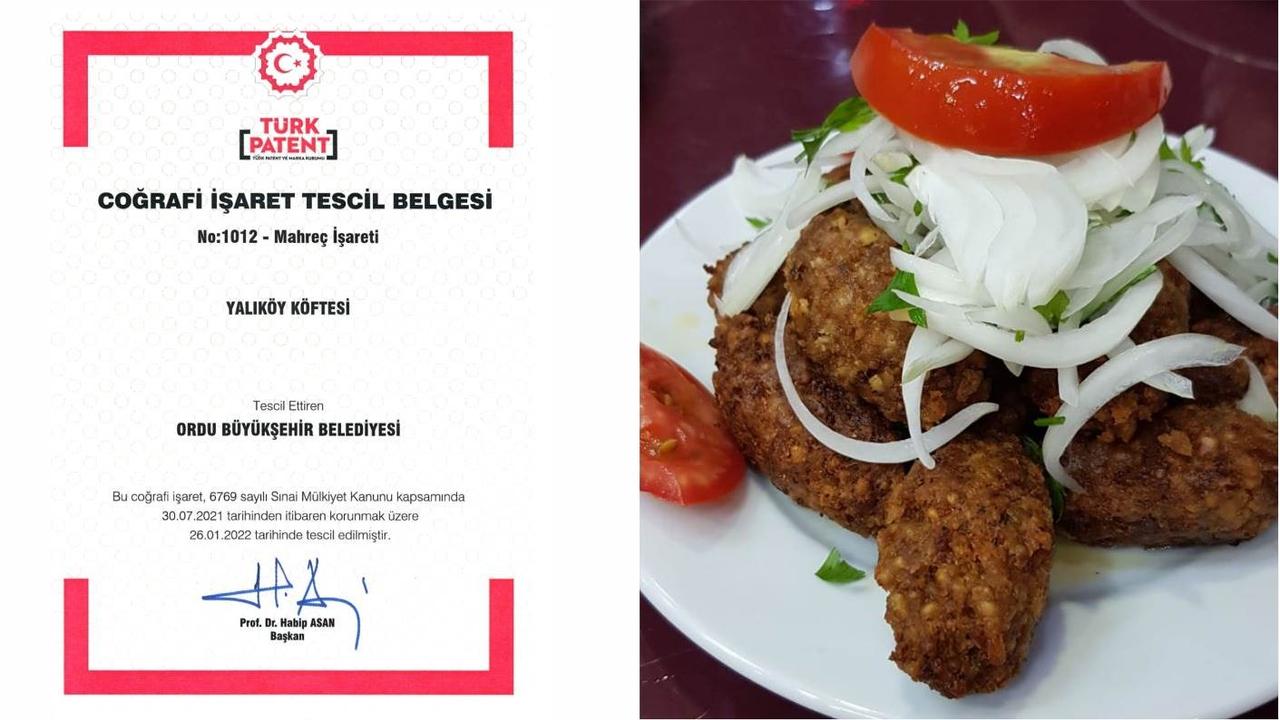
Yalıköy Köftesi (Ordu Metropolitan Municipality)
Yalıköy köftesi is a traditional meat product unique to the Yalıköy neighbourhood of Fatsa district in Ordu province, Türkiye, and protected under a geographical indication. It was officially registered as a geographical indication on 26 January 2022. The product’s reputation is linked not only to its original production method but also to its place within the culinary culture and economy of the defined geographical area. The registering authority is the Ordu Metropolitan Municipality, which mandates that all stages of production must occur within the geographical boundary of Fatsa district.
Yalıköy köftesi is a type of meatball made by kneading a mixture of minced meat, day-old stale bread, various spices, salt, and garlic, then shaping it into oval forms and frying in hot oil. Each cooked meatball weighs 30–35 grams, measures 5–6 centimetres in length and 2–2.5 centimetres in thickness. The product’s distinctive qualities are evident in the type of meat used and the specific details of its production method.
The meat used in the meatballs is sourced from the foreleg and chest areas of male or non-lactating female cattle aged 6–24 months. The meat must be free of nerves and have a low fat content. These requirements play a decisive role in ensuring the structural integrity and unique texture of the product.
Yalıköy köftesi exhibits specific physicochemical values after production. These are as follows:
These values serve as criteria for standardization and quality control of the product.
The preparation of the product requires a unified processing procedure using ingredients selected in specific proportions.
Basic ingredients for a portion serving 10–12 people:
After removing bones, cartilage, and nerves from the beef, the meat is cut into pieces approximately 10–15 cm in size. The day-old stale bread is chopped into small pieces and ground together with the meat in a meat grinder. The resulting mixture is transferred to a wide container and a hollow is formed in the centre. Into this hollow, the köfte spice blend, cumin, black pepper, salt, sweet and hot red paprika powder, and finely chopped garlic are added. The ingredients are kneaded until a homogeneous consistency is achieved. At the end of kneading, a dough that does not stick to the hands is obtained. Pieces are then broken off from this dough and shaped by hand into oval meatballs, each weighing approximately 35–40 grams, measuring 6–7 cm in length and 2.5–3 cm in thickness. The shaped meatballs are left to rest for 1–2 hours. They are then fried in heated oil for an average of 5–6 minutes until they turn brown. After cooking, the meatballs weigh approximately 30–35 grams, measure 5–6 cm in length and 2–2.5 cm in thickness. Upon request, up to 5–10% of the frying oil may be replaced with hazelnut oil derived from hazelnuts grown within the geographical boundary. After frying, the meatballs are served on a platter accompanied by a salad made of onion, tomato, green pepper, and lettuce.
The designation “Yalıköy Köftesi” and the geographical indication emblem must appear on the product packaging. If this is not feasible on the packaging, the designation and emblem must be displayed in a clearly visible location within the production facility.
Yalıköy köftesi can only be produced in Fatsa district and is based on a traditional preparation method deeply rooted in the region’s culinary culture. Its historical origins date back to the 1960s, reflecting both traditional knowledge and economic value. As required by the geographical indication, all stages of production must be carried out within the defined geographical boundary.
The monitoring process is coordinated by the Ordu Metropolitan Municipality and carried out by a monitoring board consisting of at least four members, including experts from the Ordu Metropolitan Municipality, the Ordu Provincial Directorate of Agriculture and Forestry, the Department of Food Engineering at Ordu University Faculty of Agriculture, and the Ordu Food Control Laboratory Directorate. These inspections are conducted at least once annually, with additional inspections carried out as needed or in response to complaints. Key criteria evaluated during inspections include the suitability of ingredients used in production, adherence to the prescribed production method, evaluation of physicochemical analysis results when necessary, and the correct use of the “Yalıköy Köftesi” designation and geographical indication emblem on product packaging. The monitoring board may seek support from public institutions, private organizations, or qualified experts employed by such entities, or may procure external services as required. The registering authority is responsible for carrying out all necessary legal procedures to protect the rights associated with the geographical indication.

Distinctive Characteristics
Physicochemical Properties
Recipe and Production Method
Usage Format
Production Geography and Reputation
Monitoring and Protection