


This article was automatically translated from the original Turkish version.
+1 More
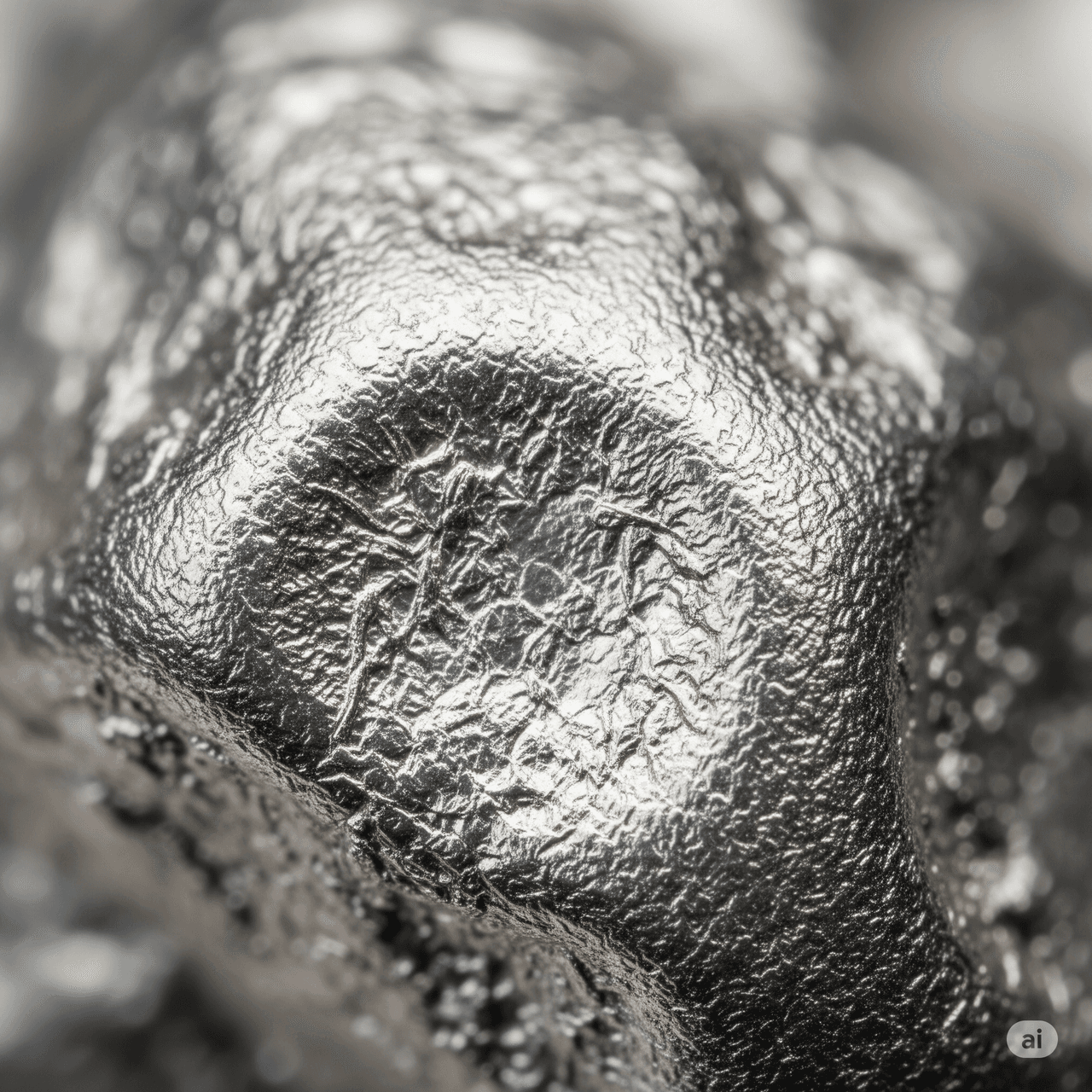
Ytterbium
Periodic Table | 6 | ||||||||
|---|---|---|---|---|---|---|---|---|---|
Chemical Symbol | Yb | ||||||||
Atomic Number | 70 | ||||||||
Group | Lanthanides | ||||||||
Atomic Weight | (173.054) g/mol | ||||||||
Electron Configuration | [Xe] 4f¹⁴6s² | ||||||||
Appearance | Silvery metal | ||||||||
Density | 6.90 g/cm³ | ||||||||
Melting Point | 824 °C | ||||||||
Boiling Point | 1196 °C | ||||||||
Atomic Radius | ~226 pm | ||||||||
Electron Affinity | -1.93 kJ/mol | ||||||||
Important Isotopes | ¹⁷⁴Yb (natural and stable) ¹⁷³Yb ¹⁷²Yb | ||||||||
Year of Discovery | 1878 | ||||||||
Discoverer(s) | Jean-Charles Galissard de Marignac | ||||||||
Ytterbium is a soft, silvery metal with atomic number 70, belonging to the lanthanide series. It was discovered in 1878 by Swiss chemist Jean-Charles Galissard de Marignac and named after Ytterby, the Swedish village where it was first identified.
Ytterbium (Yb) is an element located in the sixth period of the periodic table within the lanthanide group. Its electron configuration is [Xe] 4f¹⁴6s². This fully filled 4f shell causes certain properties of ytterbium to differ from those of other lanthanides. It is a soft metal that exists in solid form at room temperature with a density of approximately 6.90 g/cm³.
Ytterbium was isolated in 1878 by Swiss chemist Jean-Charles Galissard de Marignac from a substance then known as erbium nitrate. Marignac named this new earth (oxide form) "iterbia". Later in 1907, Georges Urbain demonstrated that Marignac's iterbia was in fact a mixture of two elements: neoiterbia (today's ytterbium) and lutetium. Carl Auer von Welsbach independently reached the same conclusion.
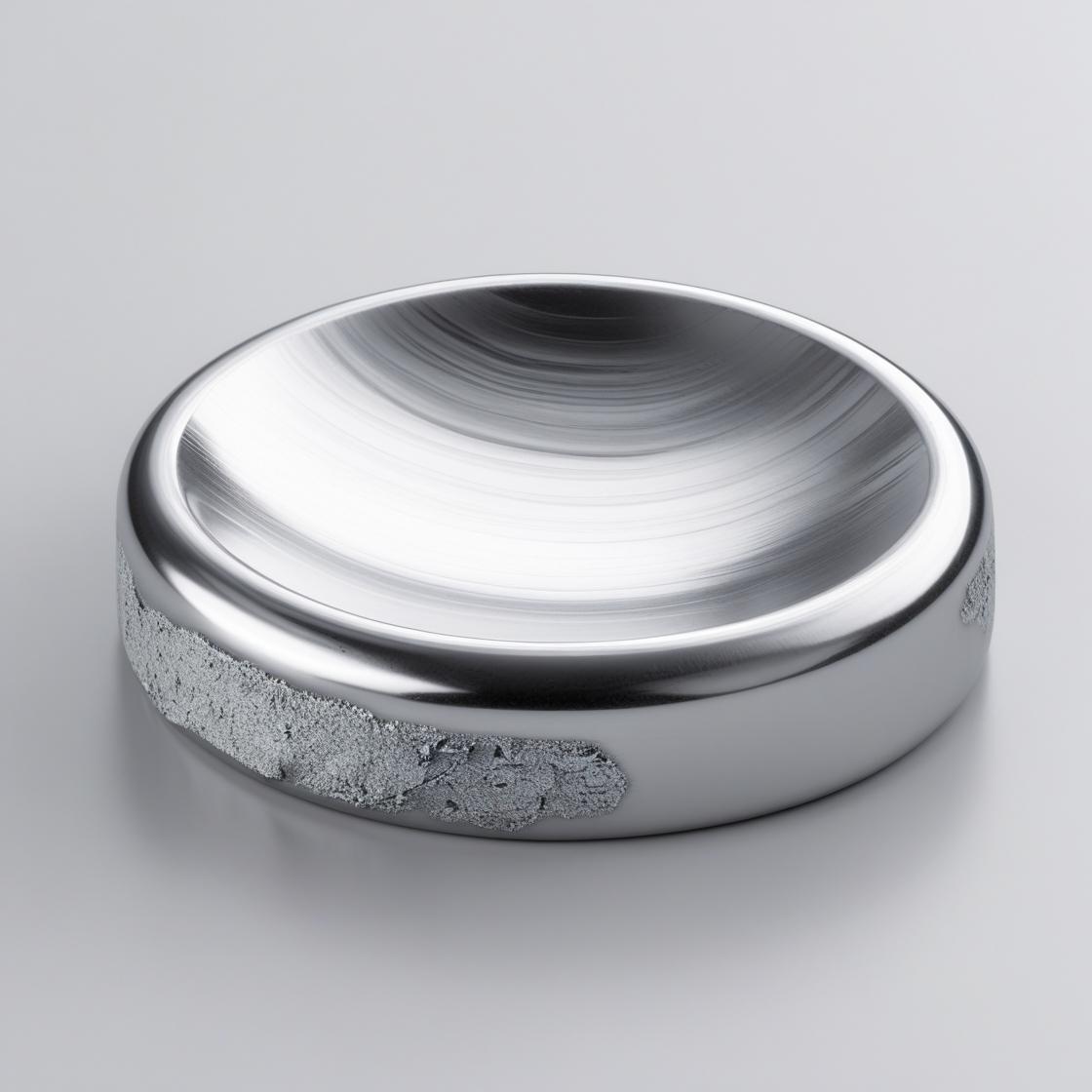
Ytterbium (Generated by Artificial Intelligence.)
Ytterbium derives its name from Ytterby, a village in Sweden near Stockholm. This village is also the site of a mine that yielded minerals in which several other rare earth elements, including yttrium (Y), terbium (Tb), and erbium (Er), were first discovered.
Ytterbium occurs alongside other lanthanides in various rare earth minerals. Major sources include monazite, xenotime, and gadolinite. Its abundance in the Earth's crust is relatively low. Isolation from other lanthanides typically requires complex chemical and physical processes.
Ytterbium is a bright, silvery, soft, and malleable metal. It slowly oxidizes in air, forming a protective oxide layer on its surface. Its melting point is 824 °C and its boiling point is 1196 °C. The atomic radius is approximately 226 pm. Its electron affinity is reported as –1.93 kJ/mol. It reacts slowly with water and more rapidly with acids, releasing hydrogen gas. In its compounds, ytterbium commonly exhibits +2 and +3 oxidation states; the +3 state is typical for lanthanides, while the +2 state arises from the stability of the fully filled f-shell.
Ytterbium has seven naturally occurring stable isotopes: ¹⁶⁸Yb, ¹⁷⁰Yb, ¹⁷¹Yb, ¹⁷²Yb, ¹⁷³Yb, ¹⁷⁴Yb, and ¹⁷⁶Yb. The most significant isotopes are ¹⁷²Yb, ¹⁷³Yb, and ¹⁷⁴Yb. Numerous radioactive isotopes have also been synthesized artificially.
Ytterbium has several specialized applications:
Ytterbium has no known biological role. It is considered to have low toxicity. Soluble ytterbium compounds may cause irritation to the skin and eyes. In powder form, the metal poses a fire risk similar to other reactive metals. Appropriate ventilation and personal protective equipment are recommended when handling ytterbium and its compounds.
National Center for Biotechnology Information. "Ytterbium." *PubChem Compound Database CID 23992.* Accessed May 31, 2025. https://pubchem.ncbi.nlm.nih.gov/compound/23992
TÜBİTAK Bilim Genç. "İterbiyum." Bilim Genç. Accessed May 31, 2025. https://bilimgenc.tubitak.gov.tr/periyodik-tablo/iterbiyum

Ytterbium
Periodic Table | 6 | ||||||||
|---|---|---|---|---|---|---|---|---|---|
Chemical Symbol | Yb | ||||||||
Atomic Number | 70 | ||||||||
Group | Lanthanides | ||||||||
Atomic Weight | (173.054) g/mol | ||||||||
Electron Configuration | [Xe] 4f¹⁴6s² | ||||||||
Appearance | Silvery metal | ||||||||
Density | 6.90 g/cm³ | ||||||||
Melting Point | 824 °C | ||||||||
Boiling Point | 1196 °C | ||||||||
Atomic Radius | ~226 pm | ||||||||
Electron Affinity | -1.93 kJ/mol | ||||||||
Important Isotopes | ¹⁷⁴Yb (natural and stable) ¹⁷³Yb ¹⁷²Yb | ||||||||
Year of Discovery | 1878 | ||||||||
Discoverer(s) | Jean-Charles Galissard de Marignac | ||||||||
Classification and Basic Properties
Discovery
Etimology
Natural Occurrence
Physical and Chemical Properties
Isotopes
Applications
Biological Role and Precautions