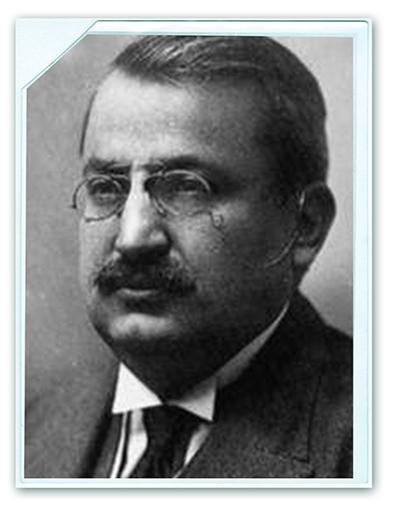



Eş | Nazime Hanım | ||||||||
|---|---|---|---|---|---|---|---|---|---|
Date of Birth | 1879 | ||||||||
Place of Birth | Muğla | ||||||||
Ölüm tarihi | 1945-06-28 | ||||||||
Place of Death | Geneva | ||||||||
Profession(s) | Journalist Member of Parliament Writer | ||||||||
Education | Fethiye Primary School Galatasaray Sultanis Istanbul Faculty of Law | ||||||||
Çocuk | Leyla Uşaklıgil Nilüfer Nun Doğan Nadi Nadir Nadi | ||||||||
He was born in 1879 in Seydiler Village, Fethiye district of Muğla (then known as Mekri). His father was Abalızade Halil Efendi, from the elite class of Fethiye. After completing his primary education in Fethiye, he studied at the Süleymaniye Medresesi in Rhodes. He then moved to Istanbul, where he continued his education at Galatasaray Sultanisi and the Istanbul Law School.
From a young age, he became involved in journalism, beginning to write articles for the newspaper Malumat in 1900 during his student years. He engaged in activities against Sultan II. Abdülhamid and was accused in 1901 of joining a secret society, resulting in three years of imprisonment and exile to Midilli. While in exile, he married Nazime Hanım, with whom he had four children. In 1908, he joined the Committee of Union and Progress and returned to Istanbul following the proclamation of the Constitutional Monarchy, resuming his journalism career without interruption. After returning to Istanbul, he worked as a writer for the newspapers İkdam and Tasvir-i Efkar, and served as chief editor of Rumeli Gazetesi, the official publication of the Committee of Union and Progress in Thessaloniki. In 1911 he served as a deputy for Aydın. From April to August 1912, he represented Aydın in the Ottoman Chamber of Deputies.
His campaign for the liberation of Edirne during the Balkan Wars attracted widespread attention. During this period, he became a member of the Neşr-i Vesaik Cemiyeti, a group largely composed of journalists. While Mustafa Kemal Paşa was serving as military attaché in Sofia during World War I, he maintained contact with him. In 1918, he founded the newspaper Yeni Gün in Istanbul to support the National Struggle in Anatolia. His newspaper was closed several times but continued publication and was briefly republished under the name Eski Gün. In 1920, he moved the newspaper to Anatolia, transporting its printing presses to Ankara to contribute to the National Struggle.
He was elected as a deputy from İzmir to the Grand National Assembly of Türkiye, which opened on 23 April 1920, and served on the committees for legislation, economics, guidance, constitution, and foreign affairs. Starting on 9 August 1920, he published the newspaper Anadolu’da Yeni Gün from Ankara. On 6 April 1920, together with Halide Edip, he co-founded the Anatolia Agency. Additionally, following the rapprochement between the Ankara Government and the Soviet Government, he was among the founders of the Türkiye Komünist Fırkası, established on 18 October 1920. After the victory in the First Battle of İnönü, he became one of the delegates representing the National Struggle Government at the London Conference.
After the proclamation of the Republic, Yunus Nadi returned to Istanbul and on 29 October 1923, as chairman of the Constitutional Commission, read the constitutional amendment announcing the Republic from the Assembly podium. On 7 May 1924, he co-founded the newspaper Cumhuriyet in Istanbul with Nebizade Hamdi and Zekeriya Sertel. Nadi continued as chief editor of the newspaper until 1945. In addition to his journalism career, he served as a deputy in the Grand National Assembly of Türkiye for six terms. From the Second Term onward, he remained in the Assembly as deputy for Muğla during the Third, Fourth, and Fifth Terms until 1943. Although he adopted the surname Abalıoğlu after the Surname Law, he generally preferred to use “Nadi,” which in Turkicized form means “notable” or “distinguished.” He died in Geneva in 1945 while seeking medical treatment. After his death, the Yunus Nadi Award, the first prize awarded in Türkiye for contributions to the arts, continues to honor his name. His works include the books İhtilal ve İnkılâb-ı Osmanî, Ankara'nın İlk Günleri, Birinci Büyük Millet Meclisi, and Kurtuluş Savaşı Anıları. These works are important sources documenting the events he witnessed during those periods.
Altunbay, Müzeyyen. “Yunus Nadi Abalıoğlu (1879–1945).” *Atatürk Ansiklopedisi*. Accessed July 4, 2025. https://ataturkansiklopedisi.gov.tr/detay/110/Yunus-Nadi-Abal%C4%B1o%C4%9Flu-(1879–1945)
Bolat, Bengü. “Abalıoğlu, Yunus Nadi.” Türk Edebiyatı İsimler Sözlüğü (TEİS). Accessed July 4, 2025. https://teis.yesevi.edu.tr/madde-detay/abalioglu-yunus-nadi
Menteşe Municipality. "Yunus Nadi Abalıoğlu Fotoğrafı." Accessed July 4, 2025.
Üsküdar University. "Yunus Nadi Abalıoğlu." Üsküdar Üniversitesi Resmî Web Sitesi. Accessed July 4, 2025. https://uskudar.edu.tr/tr/bilim-insani/yunus-nadi-abalioglu

Eş | Nazime Hanım | ||||||||
|---|---|---|---|---|---|---|---|---|---|
Date of Birth | 1879 | ||||||||
Place of Birth | Muğla | ||||||||
Ölüm tarihi | 1945-06-28 | ||||||||
Place of Death | Geneva | ||||||||
Profession(s) | Journalist Member of Parliament Writer | ||||||||
Education | Fethiye Primary School Galatasaray Sultanis Istanbul Faculty of Law | ||||||||
Çocuk | Leyla Uşaklıgil Nilüfer Nun Doğan Nadi Nadir Nadi | ||||||||
No Discussion Added Yet
Start discussion for "Yunus Nadi Abalıoğlu" article
Beginning of His Journalism and Political Career
Role During the National Struggle
Republican Era and Legacy