

This article was automatically translated from the original Turkish version.
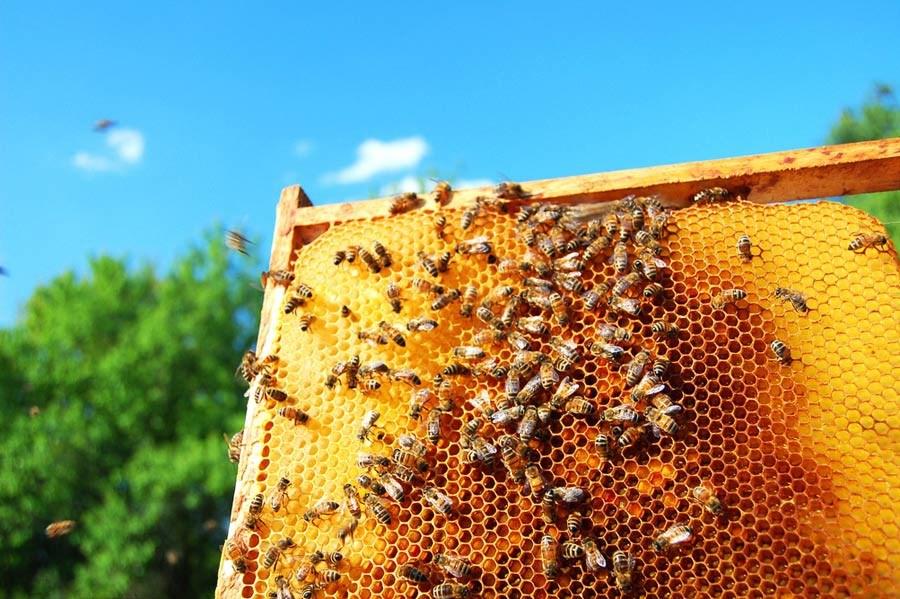
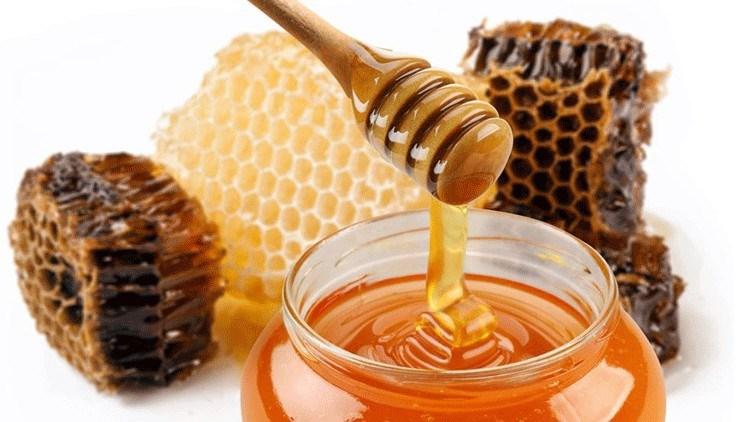
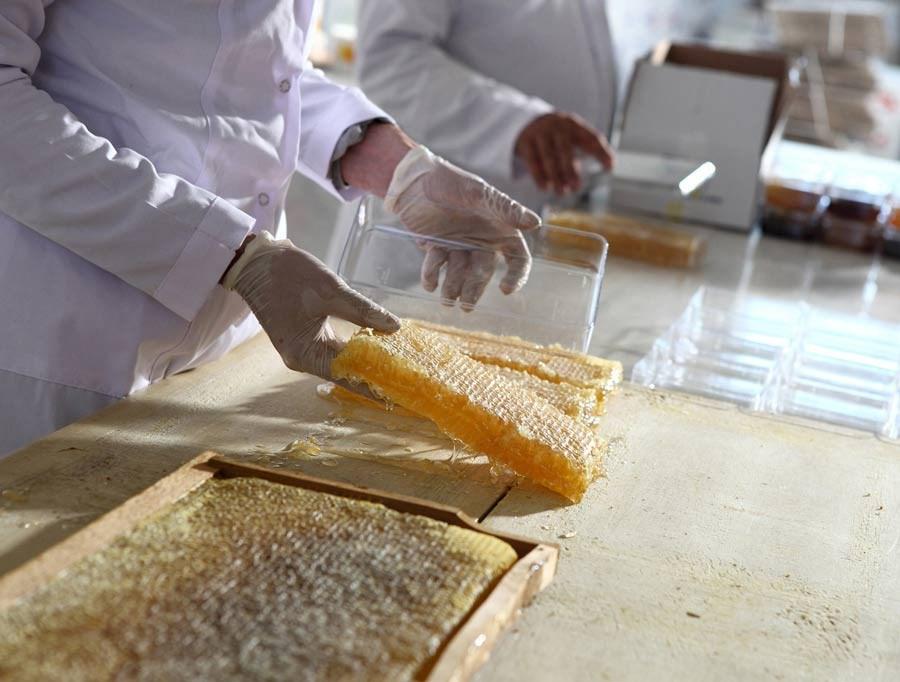
Zara Honey is a floral honey produced in the Zara district of Sivas Province. It is made using Caucasian bees and their hybrids. The honey is produced by bees that feed on nectar and pollen from plants native to the local flora. The harvest season begins in mid-August and continues until mid-September. The honey is marketed either as comb honey or as strained honey. Due to the long-standing tradition of beekeeping in the region, Zara Honey has established a geographical indication link.
Zara Honey (Sivas Governorship)
Zara Honey acquires its unique properties due to the diversity of plant species growing in the production area. Its color varies according to pollen concentration; honey rich in geven pollen is light yellow, while honey rich in thyme pollen is dark red. It has a slightly bitter and mildly sharp taste with a thick consistency. Dominant pollen types have been identified as Astragalus subs. (%42), prominent pollen types as Apiaceae (%12), Lamiaceae (%7), Onobrychis subs. (%4), and Dipsaceae (%2). The physical and chemical values of the honey are as follows: sucrose content not exceeding %5, fructose plus glucose content at least %65, moisture content between %16–17, diastase number at least 8, electrical conductivity not exceeding 0.8 mS/cm, and HMF value not exceeding 40 mg/kg.
Modern Langstroth-type hives are used in the production of Zara Honey, and beekeeping activities follow the principle of fixed beekeeping.
Wintering and Spring Maintenance: During the wintering period, empty frames are removed from the hives and bees are fed with pollen and bee bread. In spring, the condition of the colonies is checked, including the presence of the queen, egg-laying activity, and the number of worker bees. By the end of April, hives are moved to the apiaries.
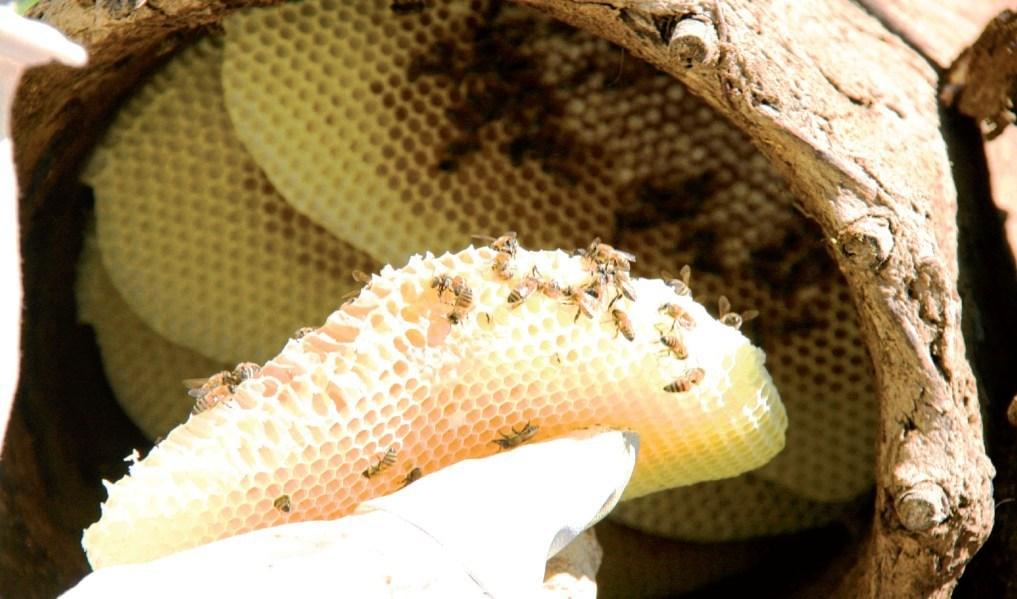
Feeding and Comb Preparation: Colonies are strengthened with supplements of honey, pollen, and bee bread. Primary combs are made by melting down previously used beeswax.
Honey Flow and Harvest Season: The honey flow period occurs between 1 July and 15 August, coinciding with intense flowering of local plants. After approximately 15 days of ripening in the hives, harvesting begins in mid-August and continues until mid-September. During harvesting, combs that are at least two-thirds sealed are preferred.
Straining, Resting, and Storage: Strained honey is transferred to stainless steel tanks for resting. During this process, dense particles settle at the bottom while light substances and air bubbles rise to the surface. The rested honey is then filled into glass jars or tin containers conforming to TSE standards. The honey is stored below 25 °C and protected from direct sunlight.
Pest Control: Varroa mite control is carried out in April and again after the harvest in September. Only licensed medications are used and applied strictly according to instructions.

Zara Honey (Sivas Governorship)
The designation “Zara Honey” is used on the product itself or its packaging together with the designated logo and geographical indication emblem. When direct placement on the product is not feasible, the logo and emblem must be displayed in a clearly visible location within the production facility.
Production takes place within the boundaries of Zara district in Sivas Province, at elevations of 1350–1800 meters in highland pastures. The regional flora is dominated by thyme, geven, bird’s-foot trefoil, mint, honeywort, blackberry, cowslip, everlasting, stone clover, willow, alfalfa, and milkvetch. All production and processing activities, except wintering, are conducted within the geographical boundary.
Zara Honey (Sivas Governorate)
Zara Honey is marketed by the Zara Honey Producers Union and private enterprises. The product is available in local and international markets under the brands ZARA Bal and Zara Floral Honey. Additionally, it is promoted annually during the Zara Honey and Culture Festival, where visitors are offered honey tastings and purchases are facilitated.
Inspections are carried out by a committee formed under the coordination of the Zara Chamber of Agriculture, with participation from the Zara District Directorate of Agriculture and Forestry and the Zara Agricultural Credit Cooperative. Regular inspections are conducted once a year, and additional inspections are performed as needed or upon complaint. During this process, the physical, chemical, and sensory properties of the honey, as well as the suitability of production and storage conditions, are verified.
Zara Honey (Sivas Governorate)

Distinctive Characteristics
Production Method
Usage Format
Geographical Boundary and Flora
Marketing and Promotion
Inspection