This article was automatically translated from the original Turkish version.
Capannori is a municipality in the Tuscany region of Italy,隶属于 Lucca province. The area is known for its rural character and has an economic structure that combines agriculture with small-scale industrial activities. Its population structure is diverse, comprising both settled residents and migrant labor from surrounding towns and villages. These socio-economic characteristics have been key factors influencing the local government’s waste management policies.
In 2007, Capannori became the first municipality in Europe to formally declare a Zero Waste strategy. This decision is based on the principle of managing waste through recycling, reuse and composting, rather than sending it to landfills or incineration facilities. When adopting this policy, the municipality considered both environmental sustainability and economic benefits. The local administration aimed not only to reduce waste volumes but also to develop a model that actively involved all segments of the community.
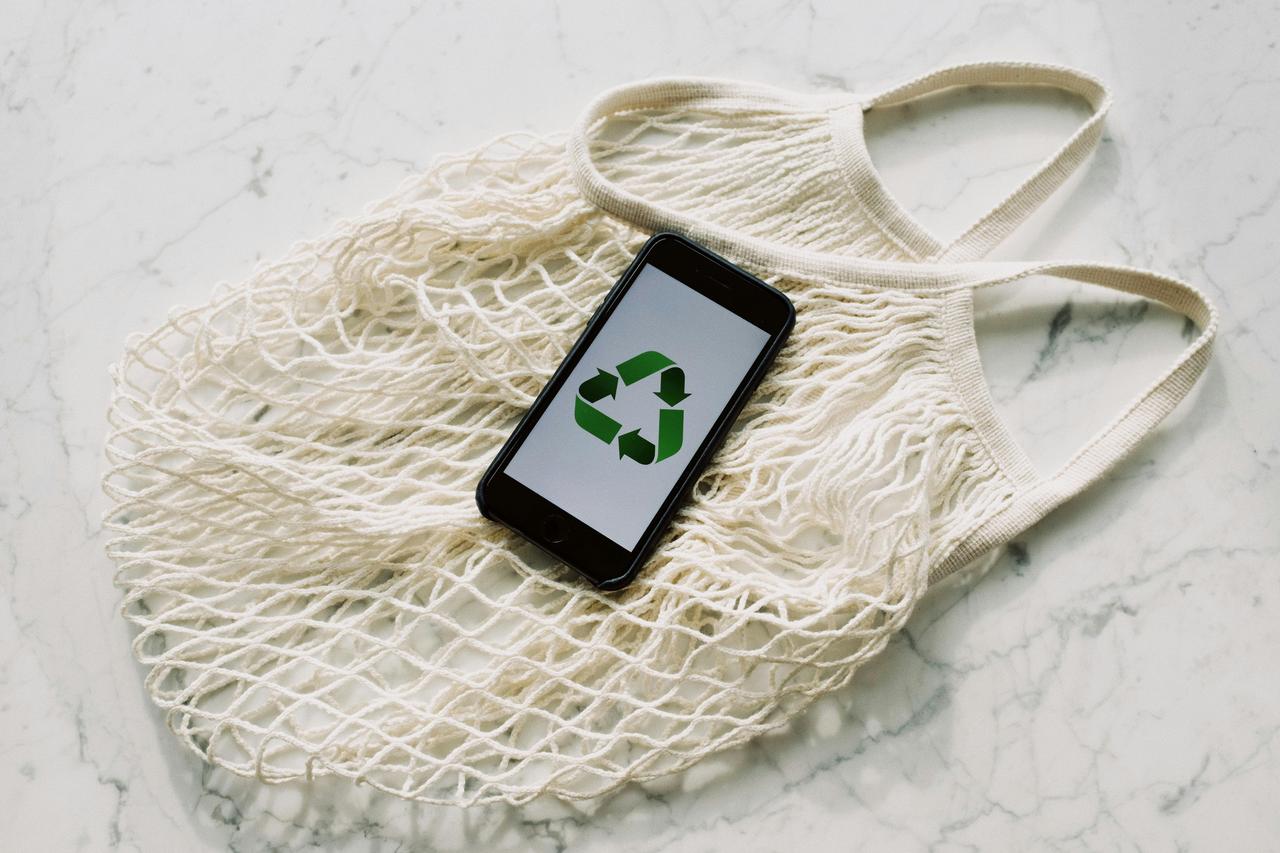
A Visual Representing the Zero Waste Project (Pexels)
The emergence of the Zero Waste policy in Capannori was driven by strong public participation and support from civil society organizations. In the late 1990s, widespread community opposition to a planned waste incineration plant laid the groundwork for this strategy. Public debates over the environmental and health risks associated with the proposed facility encouraged the exploration of alternative waste management methods. Ultimately, in 2007, the municipal council unanimously adopted the “Zero Waste Declaration”.
Capannori’s Zero Waste strategy is built on a multi-layered implementation plan:
Public awareness played a crucial role in the success of the strategy. The local administration organized informational meetings, educational programs in schools and public awareness campaigns. Additionally, home visits were conducted to provide guidance on waste separation. To ensure transparency in waste management, the municipality regularly publishes performance reports.
A Video on the Zero Waste Project in Capannori, Italy (DW news)
Since the implementation of its Zero Waste policy, Capannori has achieved significant successes. By 2013, approximately 82 percent of waste had been recycled or composted, a rate well above the European average. The reduction in waste volume has positively impacted the municipal budget, lowering disposal costs. Moreover, reuse and recycling activities have contributed to increased local employment. Environmentally, the policy has led to reduced greenhouse gas emissions and prevented soil and water contamination.
Capannori has been a pioneer not only in waste management but also in waste prevention strategies. Agreements have been reached with local businesses to reduce single-use coffee capsules, plastic bottles and packaging materials. The principle of producer responsibility has been strengthened by requiring manufacturers to design more sustainable products. Under its R&D initiatives, the municipality has tested new composting techniques, material recycling technologies and reuse models.
The Capannori model has served as an example for many municipalities across Europe and has been widely disseminated through the Zero Waste Europe network. Similar projects have been launched in various regions of Italy, and implementation examples have been developed in countries such as Spain, France and Belgium. The model has also been taken into account by the European Commission in its waste management policies. Capannori has presented its experience at international conferences as a “Zero Waste Champion” and shared its lessons with other local governments.
Several challenges arose during the implementation of the strategy. It took time for the entire population to fully comply with waste separation rules, and additional regulations were needed to support commercial enterprises in adapting. Temporary solutions had to be found for the disposal of non-recyclable waste. Economic fluctuations and price volatility in recycling markets have at times strained the system’s sustainability.
DW News. “How One Town in Italy Is Fulfilling Its Aims for Zero Waste | Focus on Europe.” Video. Accessed August 12, 2025. https://www.youtube.com/watch?v=TRmPTTJmZ40.
Pexels. Ready Made. “Yeşil Geri Dönüşüm İşareti ve File Çanta ile Cep Telefonu.” Accessed August 12, 2025. https://www.pexels.com/tr-tr/fotograf/yesil-geri-donusum-isareti-ve-file-canta-ile-cep-telefonu-3850512/.
Social Economy. "Capannori's Zero Waste Strategy." Accessed August 12, 2025. https://sosyalekonomi.org/capannorinin-sifir-atik-stratejisi/.
Zero Waste Europe. Aimee Van Vliet. “The story of Capannori – A Zero Waste champion.” Accessed August 12, 2025. https://zerowasteeurope.eu/2013/09/the-story-of-capannori-a-zero-waste-champion/.
Zeybek, Harun. “Sıfır Atığa Doğru ‘Capannori’nin Hikayesi’.” Sıfıratık.co. Accessed August 12, 2025. https://sifiratik.co/2018/07/03/sifir-atiga-dogru-capannorinin-hikayesi/.
Öztürk, Mustafa. “İtalya’da Sıfır Atık Modeli.” Independent Türkçe. Accessed August 12, 2025. https://www.indyturk.com/node/546241/t%C3%BCrki%CC%87yeden-sesler/i%CC%87talyada-s%C4%B1f%C4%B1r-at%C4%B1k-modeli.
Adoption of the Zero Waste Approach
Development of the Policy
Implementation Mechanisms
Public Participation and Education
Economic and Environmental Outcomes
Innovative Aspects of the Policy
International Impact and Spread
Challenges Encountered