
+2 Daha


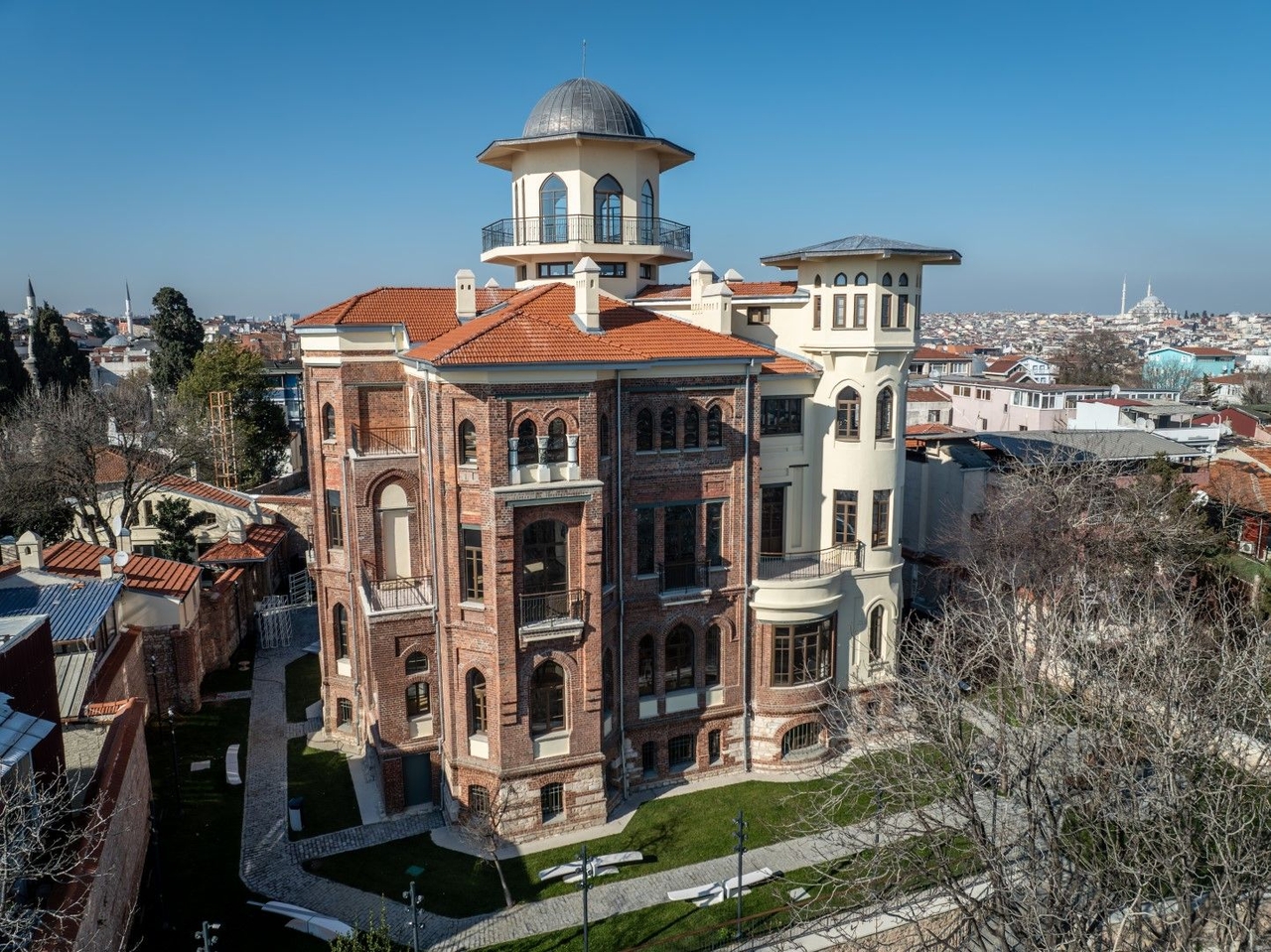
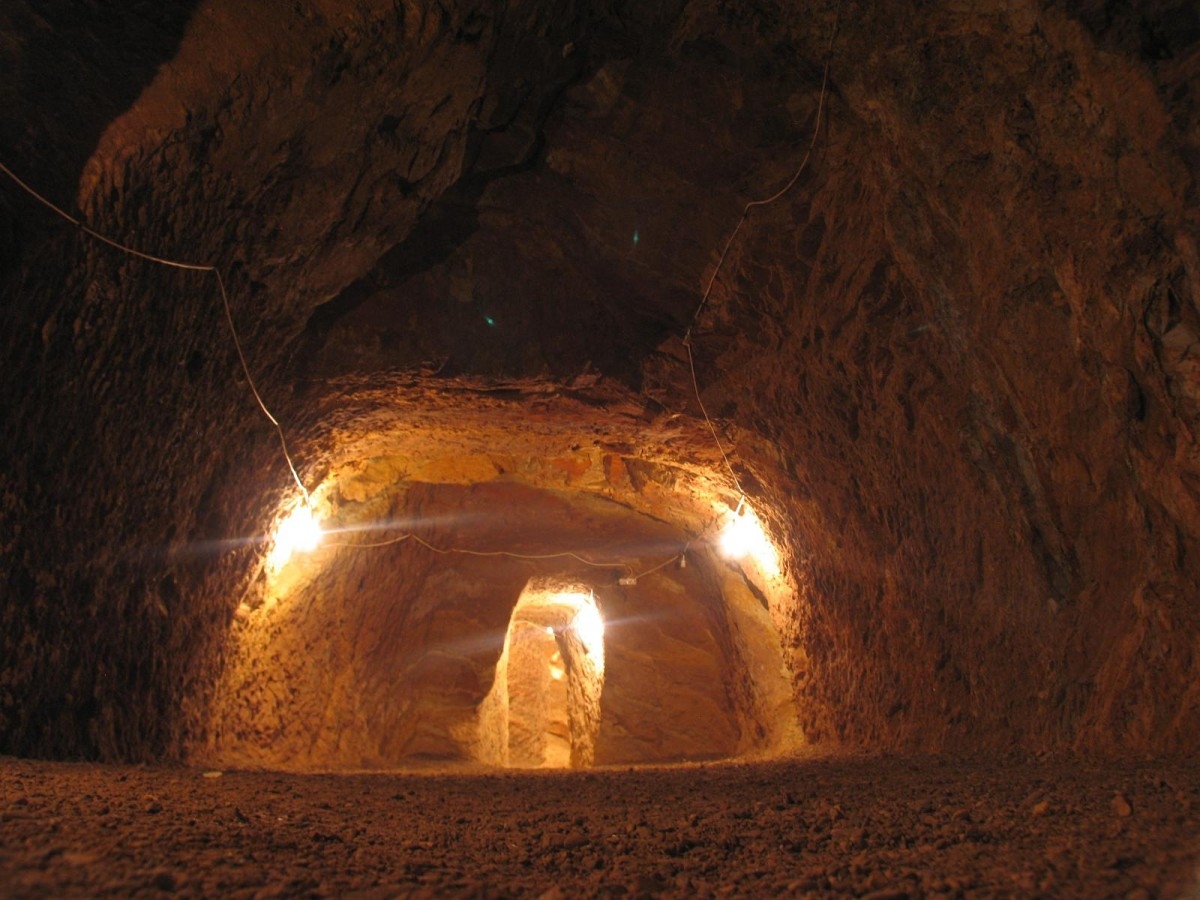
Bolulu Habib Bey Mansion, or as it is known, Bulgur Palas, is an example of early 20th-century civil architecture located on Kocamustafapaşa Hill, one of the seven hills of the city, in İstanbul’s Fatih district. The building is one of the structures that narrates İstanbul's urban history through its construction process, which is related to the political and economic developments of the period, and its different phases of use.

Bulgur Palas (İstanbul Turizm Platformu)
Bulgur Palas is located within a courtyard surrounded by high walls and was built with stone and brick materials. It features brick walls left largely unplastered, jack arch floors with steel beams, and a tower. The building has a mansion plan consisting of a basement, three normal floors, and an attic floor.
Architecturally, it bears features of the First National Architectural Movement . The pointed arch window openings used on the facades, the muqarnas (mukarnaslı) column capitals at the entrance, the tower with wide eaves, the turquoise (firuze) and dark blue colored star motifs, and the tile strips (çini şeritler) with floral decorations are typical examples of this style. The building, which has a largely monumental appearance, also holds a distinct place within the civil architecture of the period with its château-like appearance.

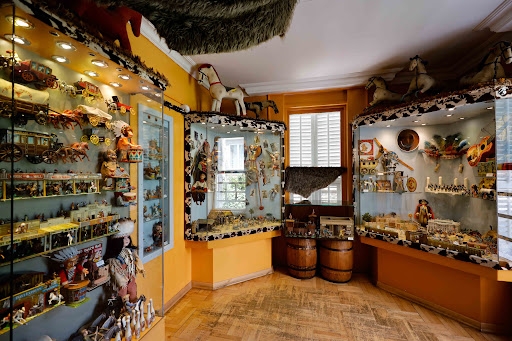
Bulgur Palas Interior Architecture (Melahat Pamuk)
The construction of the building began in 1912. The architect of the mansion is thought to be Giulio Mongeri, a well-known architect of the period, an Ottoman citizen of Italian origin; however, there are different opinions on this matter and no definite information is available.
The construction of the mansion began in 1912. The owner of the building was Mehmet Habib Bey, the Bolu Deputy and a member of the Committee of Union and Progress (İttihat ve Terakki Cemiyeti). Habib Bey, as an officer and graduate of the War Academy (Harbiye), became acquainted with the committee during his service in Manastır (Monastir) and engaged in political activities. After the declaration of the Second Constitutional Era (II. Meşrutiyet), he entered the parliament as the Bolu Deputy.
Within the scope of his economic activities, he was engaged in the trade of bulgur, wheat, and barley; due to these activities, he was publicly known as the "Bulgur King". It is known that some building materials were brought from abroad during the mansion's construction. Habib Bey passed away at the age of 48 before seeing the completion of the building, and due to his debts, the building was transferred to the Ottoman Bank in 1926.
From 1926 onwards, the building was used as the archive of the Ottoman Bank for many years. Additionally, some parts of it were allocated as residences for bank employees. It is known that one of the lower floors of the building was used as a canary breeding room, and the birds from here were distributed to the Ottoman Bank branches.
In 2001, when the Ottoman Bank was incorporated into Garanti Bank, the ownership of the building also changed hands. During this period, the building continued to exist in a state of disrepair and dilapidation, closed to the use of city residents.
Bulgur Palas, which remained closed for many years, was purchased in 2021 by the İstanbul Metropolitan Municipality (İBB) in cooperation with KİPTAŞ, İGDAŞ, İstanbul İmar AŞ, İSTAÇ, and İSTON, and was restored to be converted into public use. The restoration was carried out under the coordination of KİPTAŞ, and the re-functionalization by İBB Miras (İBB Heritage). During the works, the building's originality was preserved, repairs suitable for material integrity were made, and reinforcements against possible earthquakes were added.
Bulgur Palas, which was re-functionalized after the restoration completed on February 28, 2024, was opened to service as a cultural and arts center open to the use of the people of İstanbul. The building is equipped with functions such as;

Bulgur Palas Library (İstanbul Turizm Platformu)
As part of its opening event, the building hosted a large exhibition consisting of the works of 70 artists, within the framework of a collaboration with Magnum Photos, one of the world's leading photography agencies.

Bulgur Palas Photography Exhibition (Melahat Pamuk)

Henüz Tartışma Girilmemiştir
"Bulgur Palas" maddesi için tartışma başlatın
Architectural Features
History and Owner
Ottoman Bank Period
Arrival to the Present Day
Function Today
Bu madde yapay zeka desteği ile üretilmiştir.