

Bu içerik Türkçe olarak yazılmış olup yapay zeka ile otomatik olarak İngilizceye çevrilmiştir.
+1 Daha
Foot-and-mouth disease is a highly contagious viral infection affecting even-toed ungulates. It primarily occurs in domestic animals such as cattle, sheep, goats and pigs, and causes significant economic losses in the livestock sector. The causative agent is a virus belonging to the Picornaviridae family with high transmissibility. The disease has the potential to spread rapidly across large animal populations. Therefore, in many countries foot-and-mouth disease is regarded as a major issue for animal health and animal production. Due to its rapid spread and impact on production, it is intensively studied in the field of veterinary medicine.
The virus causing foot-and-mouth disease is moderately resistant to environmental conditions and can spread through various routes. It is shed into the environment via saliva, nasal discharge, milk and other bodily secretions from infected animals. In addition to direct contact with infected animals, contaminated feed, equipment and transport vehicles can also contribute to transmission. Animal movements, livestock trade and inadequate biosecurity measures are key factors facilitating the spread of the disease. Therefore, controlling animal movements and implementing quarantine measures are of critical importance for disease control.
The clinical signs of foot-and-mouth disease typically begin with fever. In later stages, fluid-filled blisters known as vesicles develop in the mouth, on the tongue, lips, gums and feet. These lesions may rupture over time and form ulcers. Affected animals also exhibit loss of appetite, lethargy and lameness. Lesions on the feet impair mobility and negatively affect production performance. Significant drops in milk yield are observed and the disease may follow a more severe course especially in young animals.
During foot-and-mouth disease, certain biochemical parameters in animals may change. Studies have shown increases in glucose and alkaline phosphatase (ALP) levels during the clinical course of the disease, while decreases have been detected in total protein, albumin, iron, calcium and phosphorus levels. These biochemical alterations are significant in demonstrating the metabolic effects of the disease. Diagnosis is established through the combined evaluation of clinical signs and laboratory findings.
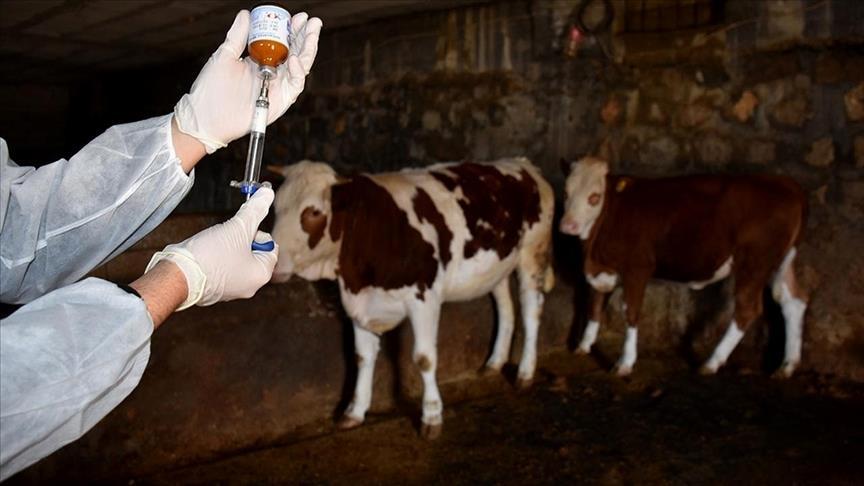
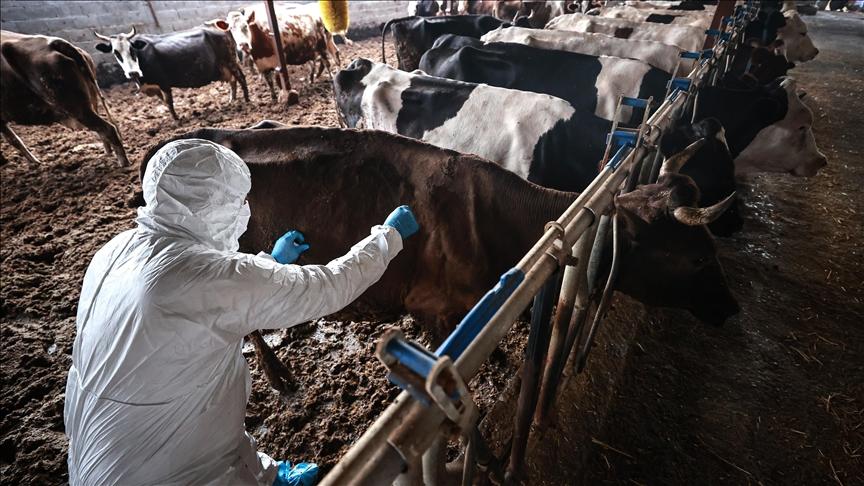
Foot-and-mouth disease (Anadolu Ajansı)
One of the most important methods for controlling foot-and-mouth disease is vaccination. In addition, implementing quarantine measures in affected areas, controlling animal movements and enhancing biosecurity protocols are of great importance. Due to the disease’s high potential for rapid spread, early diagnosis and effective control measures play a critical role in safeguarding animal health.
Bozukluhan, Kadir, Oğuz Merhan, Metin Öğün, Şemistan Kızıltepe, and Rahşan Akpınar. “Sığırlarda Şap Hastalığının Klinik Seyri Sırasında Bazı Biyokimyasal Parametrelerin Araştırılması.” Erciyes Üniversitesi Veteriner Fakültesi Dergisi 12, no. 2 (2015): 109–113. Accessed March 12, 2026. https://dergipark.org.tr/tr/download/article-file/263270
Kozat, Süleyman. “Koyun ve Keçilerde Şap Hastalığı.” Türkiye Klinikleri Veteriner Bilimleri (makale). Accessed March 12, 2026. https://www.researchgate.net/profile/Sueleyman-Kozat/publication/366905318_Koyun_ve_Kecilerde_Sap_Hastaligi_Foot_and_Mouth_Disease_in_Sheep_and_Goats/links/63b7e2dfc3c99660ebd40e93/Koyun-ve-Kecilerde-Sap-Hastaligi-Foot-and-Mouth-Disease-in-Sheep-and-Goats.pdf
İnce, Ömer Barış, and Özgür Kanat. “Şap Hastalığı.” Etlik Veteriner Mikrobiyoloji Dergisi 26, no. 2 (2015): 45–51. Accessed March 12, 2026. https://dergipark.org.tr/en/download/article-file/627338

Henüz Tartışma Girilmemiştir
"Foot-and-Mouth Disease" maddesi için tartışma başlatın
Etiology and Transmission
Clinical Signs
Biochemical Findings and Diagnosis
Prevention and Control