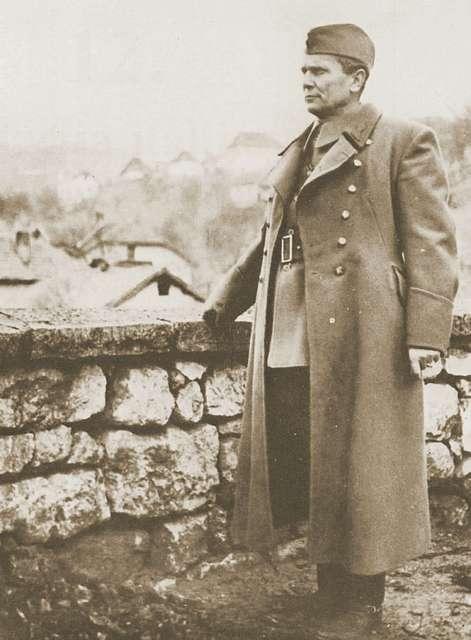


+2 Daha

Birth | 7 May 1892, Kumrovec, Austria-Hungary | ||||||||
|---|---|---|---|---|---|---|---|---|---|
Death | 4 May 1980 (aged 87), Ljubljana, Yugoslavia | ||||||||
Political Party(s) | Yugoslav Communist Party / People's Front | ||||||||
Important Event(s) | 1928: Imprisoned due to political activities 1961: One of the founders of the Non-Aligned Movement 1948: Developed 'Titoism' after breaking with the Soviet Union 1941–1945: Leader of the resistance against Nazi occupation during World War II | ||||||||
Josip Broz Tito was born in 1892 in Kumrovec, a village within the Austro-Hungarian Empire, as the seventh of fifteen children in a poor peasant family. During his youth, he worked in various jobs including carpentry apprenticeship, street vending, and metalworking. He participated in the Russian Civil War during the Bolshevik Revolution and, after returning to Yugoslavia, became one of the founding members of the Communist Party of Yugoslavia. In 1928, Josip Broz Tito was imprisoned due to his “political activities.” The reasons cited for his imprisonment included the shaping of his life by “socialist ideas” and involvement in “illegal activities” that led to “convictions.” After his release, his political successes led to his appointment as general secretary of the party in 1937.
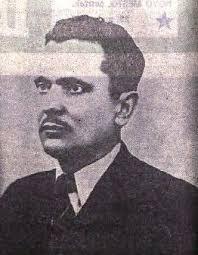
Josip Broz Tito’s Youth (GetArchive)
With the outbreak of World War II and the German invasion of Yugoslavia in 1941, Tito launched a resistance movement. He initiated a guerrilla war against the Croatian nationalist Ustaše, who collaborated with the occupying forces, and against Nazi Germany, establishing an armed organization known as the “Guerrilla Brigades.” His struggle against the Axis Powers during the war elevated him to a respected position among the population. After the war, elections brought his party, the People’s Front, to power, ending the monarchy and establishing the Federal People’s Republic of Yugoslavia.
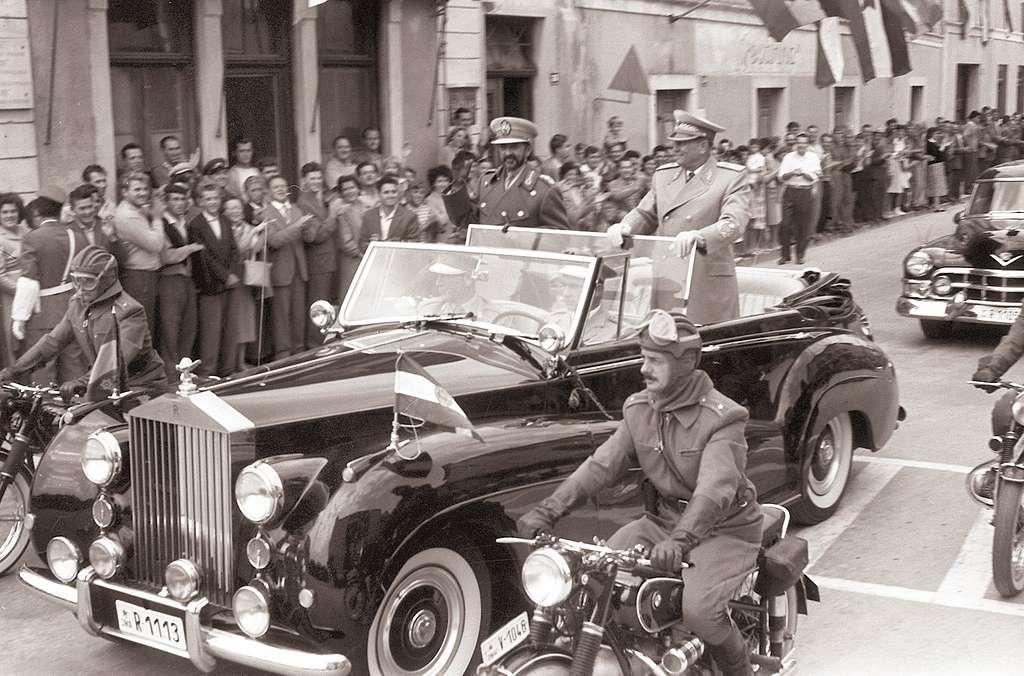
Tito and Local Popular Reception (GetArchive)
Throughout his tenure, Tito’s rule was legitimized through a meticulously orchestrated cult of personality by the Communist Party of Yugoslavia. Propaganda portrayed him as the architect of the wartime resistance, a unifying figure, and the symbol of a self-confident socialist state vision. This propaganda was disseminated through posters, newspapers, and school textbooks. However, as Yugoslavia struggled with internal opposition and growing economic difficulties, Tito’s authoritarian rule and cult of personality faced increasing criticism. While this cult strengthened his authority, it also generated resentment among those disillusioned by the gap between rhetoric and reality.
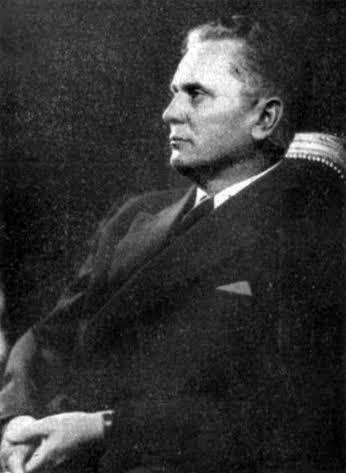
Josip Broz Tito (GetArchive)
In foreign policy, he adopted a moderate, conciliatory, and peaceful stance toward other countries. He severed ties with the Eastern Bloc and established good relations with both the United States and Europe. He also played a leading role in the formation of the Non-Aligned Movement, composed of Third World nations, and provided its leadership. His role in this movement solidified his status as a global statesman and earned him international respect.
After the war, his regime sought to strengthen ties with the Soviet Union through Stalinist rhetoric. However, the rupture with the Soviet Union in 1948 marked a pivotal turning point in Tito’s leadership. This split transformed him into an independent leader who championed Yugoslav sovereignty and independence from Moscow’s influence. During this period, he developed his own style of dictatorship under the name Titoism.
Josip Broz Tito died in 1980. After his death, numerous streets and avenues were named in his honor. A Presidency Council (Predsedništvo) was established, composed of representatives from the six republics and two autonomous provinces, each serving one-year terms as president. As documented, this system was seen as unable to maintain national unity without a charismatic leader and accelerated the country’s disintegration. Following Tito’s death, the rise of Serbian nationalism under Slobodan Milošević and worsening economic problems initiated a rapid process toward the country’s breakup.
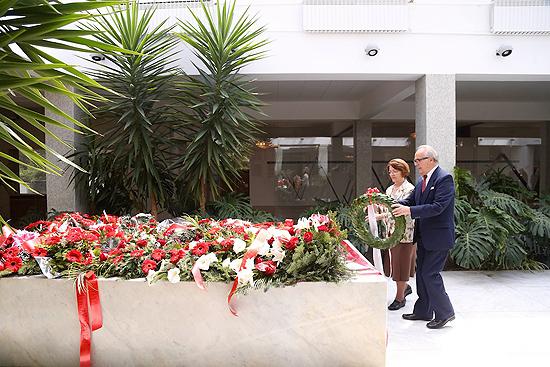
Visits to the Grave of Josip Broz Tito (Anadolu Agency)
Anadolu Ajansı. “Yugoslav Lider Tito, Mezarı Başında Anıldı.” May 4, 2017. Accessed August 25, 2025. https://www.aa.com.tr/tr/dunya/yugoslav-lider-tito-mezari-basinda-anildi/811398.
Ciba, Hayrettin. "Josip Broz Tito’nun Hayatı ve Siyasi Faaliyetleri." Genç Kalemler Tarih Araştırmaları Dergisi 2, no. 3 (2016). Aksaray Üniversitesi. Accessed August 25, 2025. https://hdl.handle.net/20.500.12451/10512
GZT Mecra. "Fırtınadan Önceki Son Sessizlik: Josip Broz Tito." Accessed August 25, 2025. https://www.gzt.com/mecra/firtinadan-onceki-son-sessizlik-josip-broz-tito-3802622.
Yerköy, Samet. “Kült Liderliği ve Görsel Medya: Komünist Batı Balkanlarda Josip Broz Tito ve Enver Hoca’nın Mirası.” *Trakya Üniversitesi Edebiyat Fakültesi Dergisi* 15, no. 29 (January 20, 2025): 111–134. https://doi.org/10.33207/trkede.1493265.

Birth | 7 May 1892, Kumrovec, Austria-Hungary | ||||||||
|---|---|---|---|---|---|---|---|---|---|
Death | 4 May 1980 (aged 87), Ljubljana, Yugoslavia | ||||||||
Political Party(s) | Yugoslav Communist Party / People's Front | ||||||||
Important Event(s) | 1928: Imprisoned due to political activities 1961: One of the founders of the Non-Aligned Movement 1948: Developed 'Titoism' after breaking with the Soviet Union 1941–1945: Leader of the resistance against Nazi occupation during World War II | ||||||||
Henüz Tartışma Girilmemiştir
"Josip Broz Tito" maddesi için tartışma başlatın
World War II and Rise to Power
Cult of Personality and Authoritarian Rule
Foreign Policy and the Non-Aligned Movement
Break with Stalin and Titoism
Death and Legacy