



Kastamonu (province)
🏞️ Cities of Saints and Nature: Kastamonu
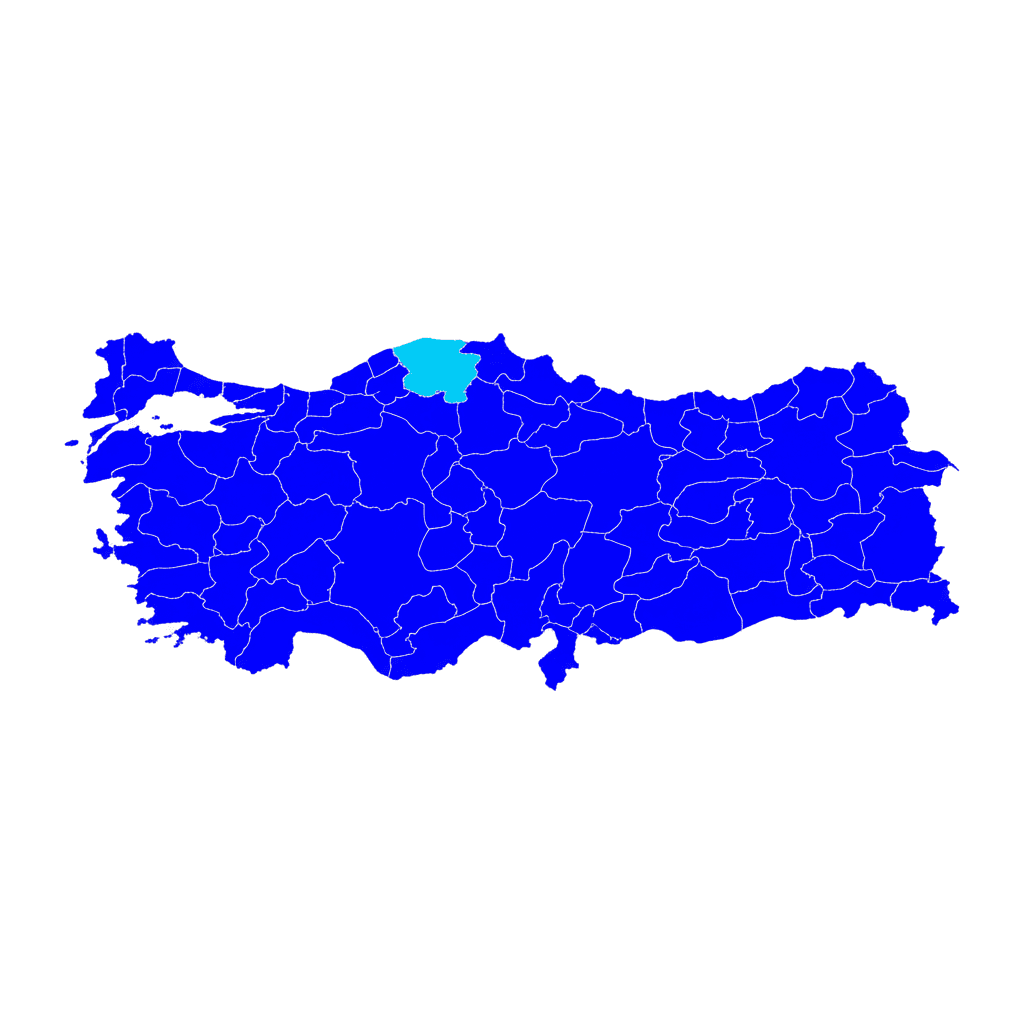
Kastamonu is our historic city renowned for its beautiful natural and cultural attractions, located in the stunning Karadeniz Region of Türkiye. 🌊 The city is situated on the banks of the Karaçomak Çayı, a tributary of the Gökırmak River, at an elevation of exactly 774 metres above sea level.
📍 Where Is This Kastamonu?
To its north lie the waves of the Black Sea, while its surrounding provinces are Çankırı, Çorum, Sinop, and Bartın. Thus, it enjoys a remarkable location, nestled close to both mountains and sea! 🗺️
🏘️ A City Rich in Districts
Kastamonu has exactly 20 districts! Here are their names:
Abana, Ağlı, Araç, Azdavay, Bozkurt, Cide, Çatalzeytin, Daday, Devrekani, Doğanyurt, Hanönü, İhsangazi, İnebolu, Küre, Merkez, Pınarbaşı, Seydiler, Şenpazar, Taşköprü, Tosya.
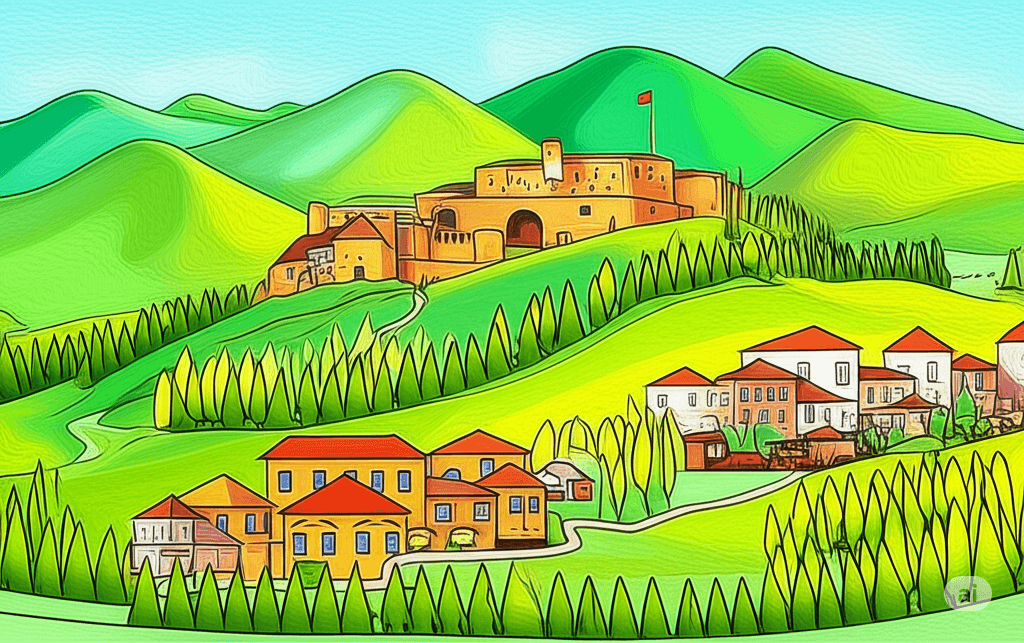
(Generated by artificial intelligence.)
🕰️ The History of Kastamonu
📜 Ancient Times
Kastamonu’s documented history extends back to the 30th century BCE. The region served as a homeland to numerous civilizations including the Hittites, Phrygians, Cimmerians, Lydians, and Persians. These civilizations valued the area for its fertile lands, dense forests, and strategic position along the Black Sea.
🏛️ Roman and Byzantine Periods
In the 1st century BCE, Kastamonu came under Roman rule and became an important military and commercial center. After the division of the Roman Empire, it remained within Byzantine territory. During this period, the city began to be known as Kastra Komnenon (Fortress of the Komnenoi). The foundations of Kastamonu Castle were also laid during this era.
⚔️ The Arrival of the Turks
Following the Battle of Manzikert in 1071, the region came under the control of the Danishmendids. It was later taken by the Anatolian Seljuks. By the late 13th century, the Candaroğulları Beylik ruled the area. Under the Candaroğulları, Kastamonu flourished architecturally and commercially, with mosques, madrasas, and bridges constructed throughout the city.
👑 Ottoman Period
In 1460, Fatih Sultan Mehmet incorporated Kastamonu into the Ottoman territories. During the Ottoman era, the city became both an administrative and commercial hub. Among the most significant monuments of this period are the Nasrullah Camii (1506) and the Nasrullah Köprüsü.
🇹🇷 Republican Period
With the proclamation of the Republic, Kastamonu gained lasting recognition as a vital logistical center during the War of Independence, supplying ammunition to the front lines. Mustafa Kemal Atatürk’s first public announcement of the Hat and Dress Reform in 1925 in Kastamonu secured the city a special place in Republican history.
🌿 Kastamonu’s Natural Beauties
Kastamonu is one of the rare provinces in Türkiye that offers both the lush green forests and the clear waters of the Black Sea. Within its borders lie national parks, canyons, waterfalls, highland meadows, and beaches.
🏔️ Mountains and Highland Meadows
- Ilgaz Dağı National Park
- An exceptional destination for skiing in winter and hiking, camping, and photography in summer. Its rich vegetation, wildlife, and clean air make it a year-round attraction.
- Küre Dağları National Park
- A PAN Park, one of Europe’s best-preserved forest ecosystems. The park features caves, canyons, and endemic plant species.
- Yaralıgöz Yaylası
- Famous for its cool summer climate, flower-filled meadows, and traditional highland culture.
🌊 Beaches and Coves
- Abana Beaches
- A favorite for summer tourism, known for its clean sea and long shoreline.
- Cide and Gideros Cove
- Famous for its postcard-perfect scenery, fishing boats, and tranquil atmosphere.
- İnebolu Coast
- Combines historical and natural beauty through its historic port, which played a key role in transporting munitions during the War of Independence.
💦 Waterfalls and Canyons
- Valla Canyon
- One of Turkey’s deepest canyons, stretching 12 km with walls 800–1300 metres high. It provides habitat for raptors such as eagles and vultures.
- Horma Canyon
- A natural trail explored via wooden walkways, leading to Ilıca Waterfall.
- Ilıca Waterfall
- A rare waterfall where swimming is possible, fed by clear water cascading from a height of 15 metres.
- Çatak Canyon
- Offers a spectacular view from its observation terrace.
🍲 Local Cuisine of Kastamonu
The cuisine of Kastamonu is as rich and colorful as its natural landscape!
- Etli Ekmek: A delicious baked dish made with thin dough filled with spiced minced meat.
- Banduma: A special winter dish made with turkey meat, phyllo dough, and walnuts.
- Ecevit Çorbası: A regional soup containing chickpeas, homemade noodles, and yogurt.
- Cevizli Sucuk: A sweet snack made with grape molasses and walnuts.
- Taşköprü Sarımsağı: A world-renowned, flavorful, and intensely aromatic variety of garlic. 🧄

(Generated by artificial intelligence.)
🎭 Cultural Events and Festivals🎉
Throughout the year, Kastamonu hosts many vibrant cultural events:
- Taşköprü Garlic Festival: Held annually during the garlic harvest season, featuring concerts and competitions. Perhaps your favorite artist has performed here!
- Wood Festival: Events showcasing the city’s traditional woodcarving art.
- Kastamonu Days: A large celebration featuring folk dances, handicrafts, and local delicacies.
- Highland Festivals: Celebrated in summer on the highland meadows with music, games, and picnics.
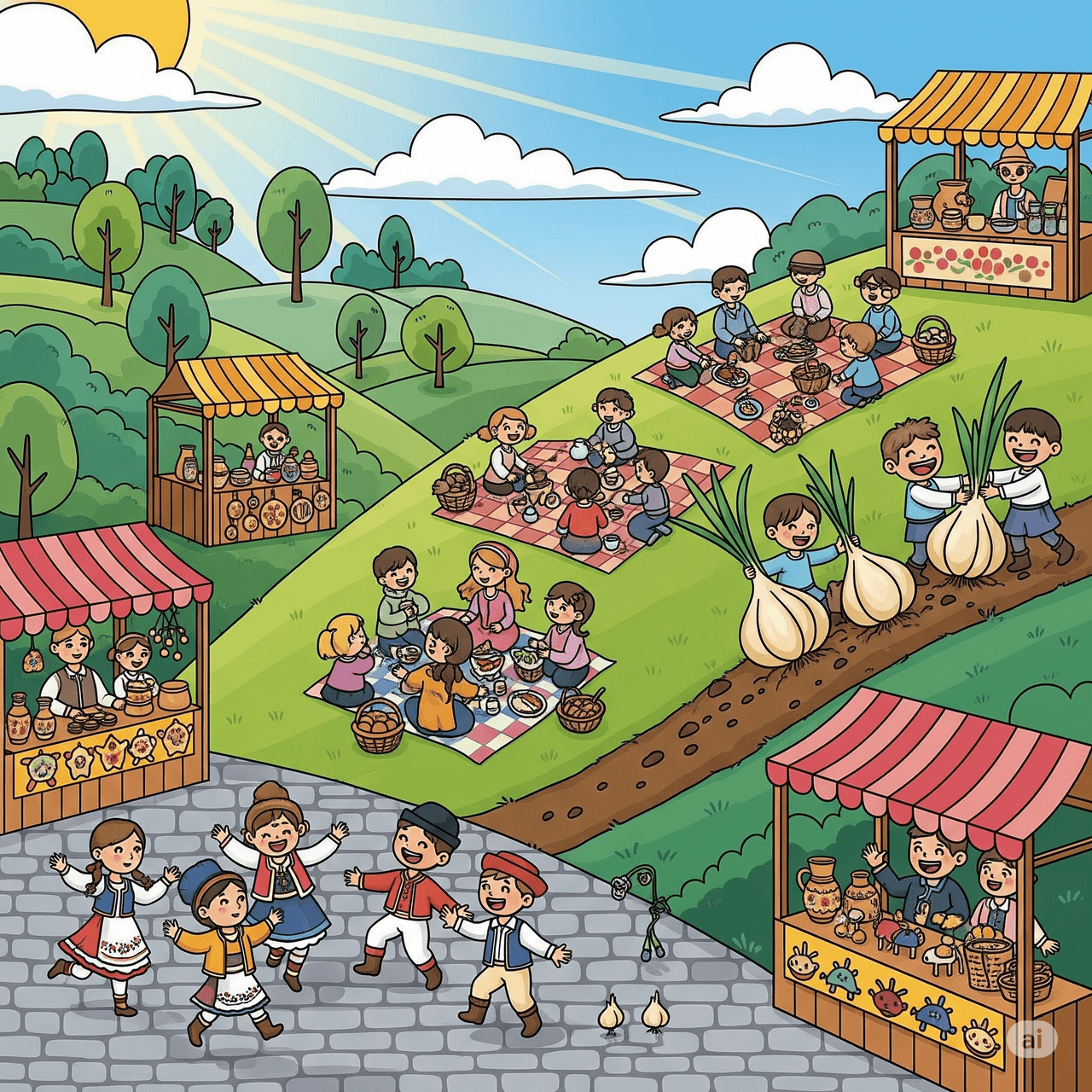
(Generated by artificial intelligence.)