
KURE Kids Header Line
article-image
badge icon

This content was originally written in Turkish for children and is automatically translated into English using artificial intelligence.

Turkish coffee

Last Updated: 01.12.2025

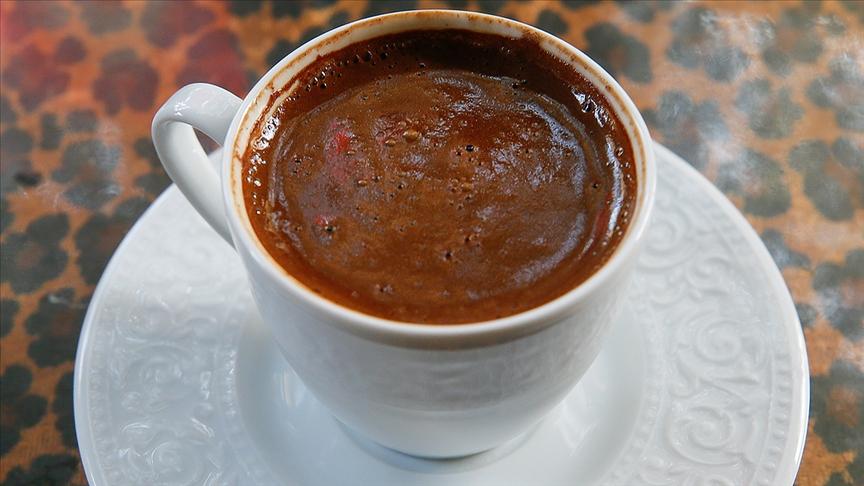
Turkish coffee is a traditional beverage consumed in Türkiye for centuries. Recognized as a cultural heritage, this coffee was inscribed in 2013 on UNESCO’s Representative List of the Intangible Cultural Heritage of Humanity.


(Generated by Artificial Intelligence.)

How Did Turkish Coffee Emerge?

Turkish coffee began to be served in Istanbul’s coffeehouses in the 16th century. Since then, it has become a distinct beverage due to its unique preparation method and presentation. Over time, proverbs, songs, and poems about coffee have emerged.

How Is Turkish Coffee Prepared?

To make Turkish coffee, coffee beans are ground very finely. Coffee, water and sugar according to preference are added to a cezve. It is slowly brewed on the stove. When foam forms, it is poured into a cup. It is typically served with a glass of water and Turkish delight. The grounds settle at the bottom of the cup.

What Are the Characteristics of Turkish Coffee?

Turkish coffee is the only type of coffee served with its grounds. It has a distinct aroma, consistency and foam compared to other coffees. It can be prepared with light, medium or dark roast. Each roast level carries different flavor and fragrance properties.
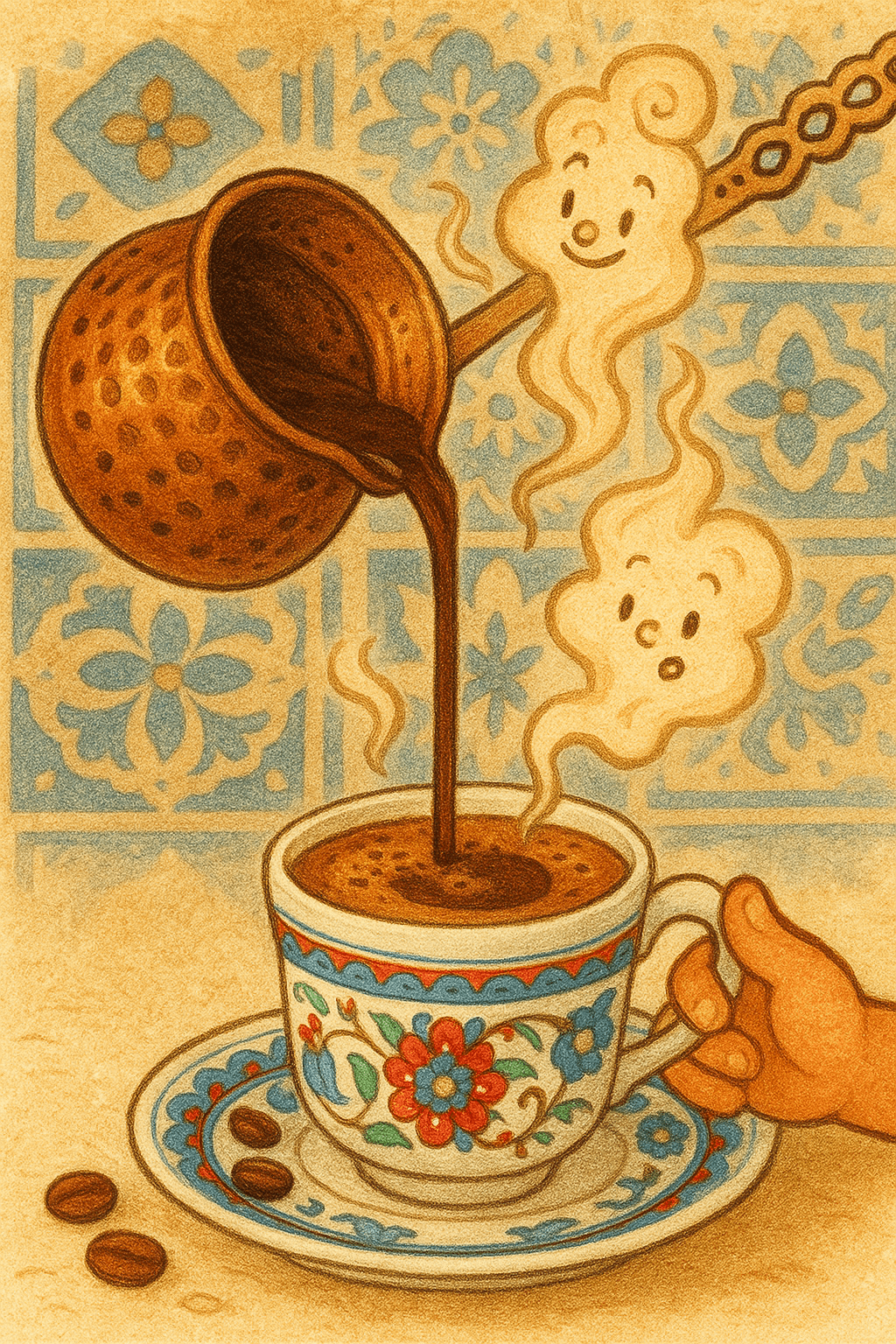

(Generated by Artificial Intelligence.)

Its Place in Culture

Turkish coffee is not merely a beverage but also a cultural element. It is consumed during holidays, engagement ceremonies, visits to guests and daily conversations. A common tradition is fortune-telling by interpreting the coffee grounds left in the cup after drinking.

Are There Different Varieties of Turkish Coffee?

There are approximately 40 varieties of Turkish coffee in Türkiye. Different regional types are known by names such as menengiç, cilveli, hilve, süvari, nohut and tarz-ı hususi. For example, cilveli coffee is made in Manisa and hilve coffee in Hasankeyf, Batman.

Turkish Coffee Around the World

Turkish coffee is consumed in 144 countries including Saudi Arabia, the Turkish Republic of Northern Cyprus, the United States and Russia. It is one of the most widely consumed coffee types in the world alongside espresso.
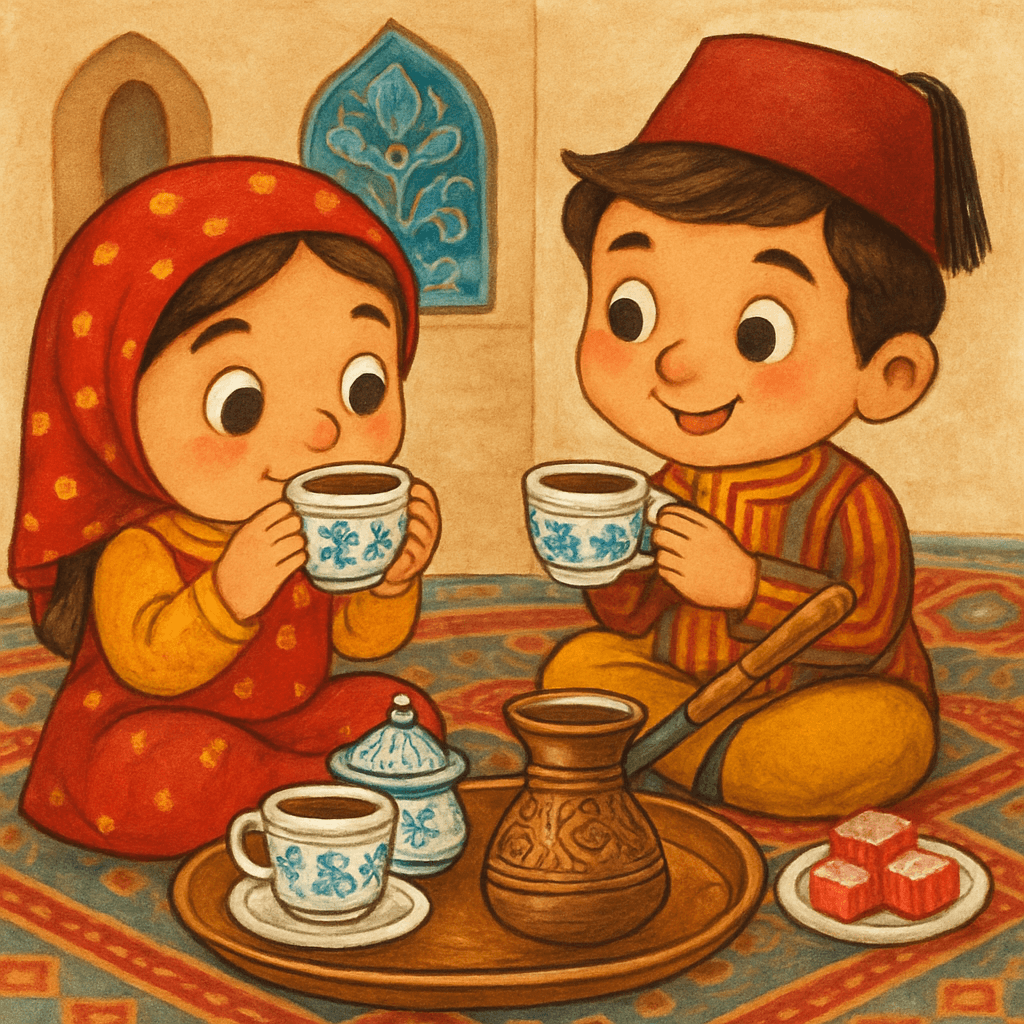

(Generated by Artificial Intelligence.)

Turkish Coffee Has Been Standardized

In 2020, the Turkish Standards Institute (TSE) published standards “TSE 13423” and “TSE 13904” for Turkish coffee. These standards define its composition and preparation rules.

Is There a Turkish Coffee Museum?

There is a Turkish Coffee Museum in the Safranbolu district of Karabük. The museum displays tools such as cezve, cups and grinders, and introduces visitors to various coffee types.

Don't Forget to Look at These!
🔬 Science And Technology
cat img
🌍 Nature And Environment
cat img
🎨 Art And Literature
cat img
image
Most Read
Thomas Edison
arrow
image
Last Added
Gezegenler Neden Yuvarlaktır?
arrow
ilham-notu-bg
INSPIRATION NOTE FOR CURIOUS KIDS!

Turkish coffee is not just a drink; it holds hundreds of years of history, friendship, and culture within it! You can enjoy coffee conversations with your family or friends and learn about these traditions. Perhaps one day you will try making coffee using your own cezve! Discovering our culture and exploring new things is incredibly enjoyable. Remember, every cup of coffee contains a story—and you can be part of that story too!

Who Wrote?
Kids Writing
AuthorZelal ÇakarDecember 1, 2025
bottom-bg-effect-bottom
bottom-bg-effect-top

Turkish coffee is a traditional beverage that emerged in the Ottoman Empire in the 16th century. It is brewed in a cezve and served in small cups, with foam on top and sediment at the bottom. It is typically accompanied by water and lokum.

Drinking coffee is not merely an act of tasting but also signifies hosting guests, engaging in conversation, and sharing special occasions. It holds an important place in engagement ceremonies, holidays, and gatherings with friends.

After drinking Turkish coffee, the cup is turned upside down and the sediment is examined for a playful form of fortune-telling. Different varieties of coffee are prepared in various regions of Türkiye. In 2013, it was recognized by UNESCO as a cultural heritage.

Bibliographies

Anadolu Ajansı. “Anadolu'nun kültürel mirası 'Türk kahvesi' geleceğe taşınıyor.” Anadolu Ajansı, September 30, 2022. Accessed August 6, 2025. https://www.aa.com.tr/tr/kultur/anadolunun-kulturel-mirasi-turk-kahvesi-gelecege-tasiniyor/2698962.

Anadolu Ajansı. “‘Türk kahvesi'ne TSE standardı kazandırıldı.’” Anadolu Ajansı, November 27, 2020. Accessed August 6, 2025. https://www.aa.com.tr/tr/ekonomi/turk-kahvesine-tse-standardi-kazandirildi-/2057987.

Kültür ve Turizm Bakanlığı Araştırma ve Eğitim Genel Müdürlüğü. "Türk Kahvesi Kültürü ve Geleneği." Accessed August 6, 2025. https://yakegm.ktb.gov.tr/TR-345002/turk-kahvesi-kulturu-ve-gelenegi.html.

Ministry of Culture and Tourism, General Directorate of Research and Education. "Türk Kahvesi Kültürü ve Geleneği." *Kültür Portalı*, Accessed August 6, 2025. https://www.kulturportali.gov.tr/portal/turkkahvesikulturuvegelenegi.

ilham-notu-bg
ilham-notu-bg
ilham-notu-bg
HEYY!
Did You Know?
These?
Lamb
Lamb
Ask to Küre