




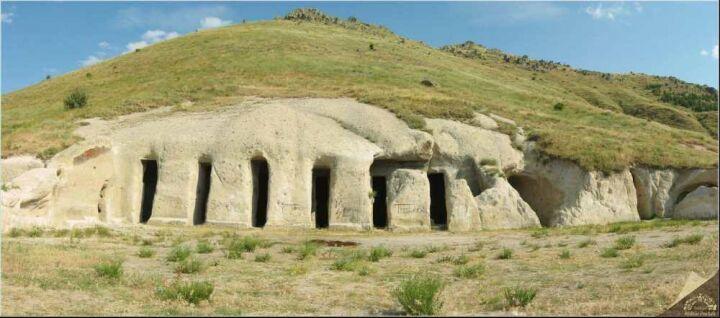
Yedikapılar Underground City
Located in the Bolvadin district of Afyonkarahisar, the Yedikapılar Underground City is like a magical world hidden dozens of meters beneath the earth. Unlike conventional buildings stacked on top of each other, this city was carved directly into soft rock. Have you ever imagined a hidden passage with rooms and corridors beneath the ground? Here, Yedikapılar is a real underground adventure where people lived and protected themselves over a thousand years ago.
How Was This City Built?
This underground city was carved into soft rocks known as “tufa,” following a plan shaped like the letter “U.” In this massive structure extending approximately 200 meters below the surface, numerous interconnected hidden chambers exist. The most striking feature of the city is the presence of seven main entrance gates arranged around a courtyard. These gates explain why the city is called “Yedikapılar,” meaning “Seven Gates.”
Inside, you will encounter long corridors shaped like the letter “L” and ventilation shafts. These shafts ensured that people could breathe even at such great depths. The structures carved into the rock reveal just how skilled the architects of that era were.
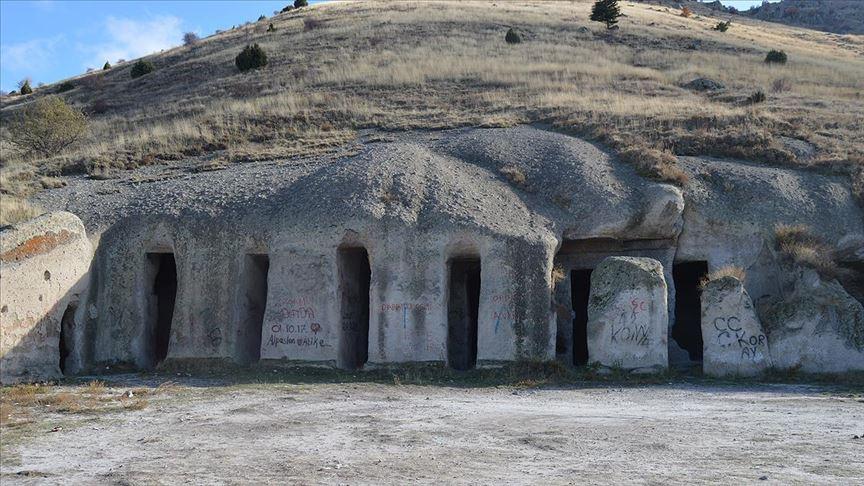
Yedikapılar Underground City (Anadolu Ajans)
How Did People Live Underground?
Yedikapılar was not only used for shelter but also for sustaining daily life. Within the city there were kitchens for cooking, wells for water, and specialized sections designed to remain warm in winter and cool in summer. Even special areas called “şırahane,” used for storing fruit juices or drinks at the time, were present.
This underground city was also used as a monastery. Inside, there is a small chapel for worship and burial chambers. The inhabitants sought refuge in these underground shelters during dangerous times to protect themselves from the outside world.
A Journey Through Time
Let us travel back exactly 1,000 years to the Middle Ages. Yedikapılar was constructed between the 8th and 10th centuries by people living during the Byzantine Empire. The inhabitants of that period were Christians and used these underground shelters both for worship and daily living.