

 Recently Added:
This article was automatically translated from the original Turkish version.
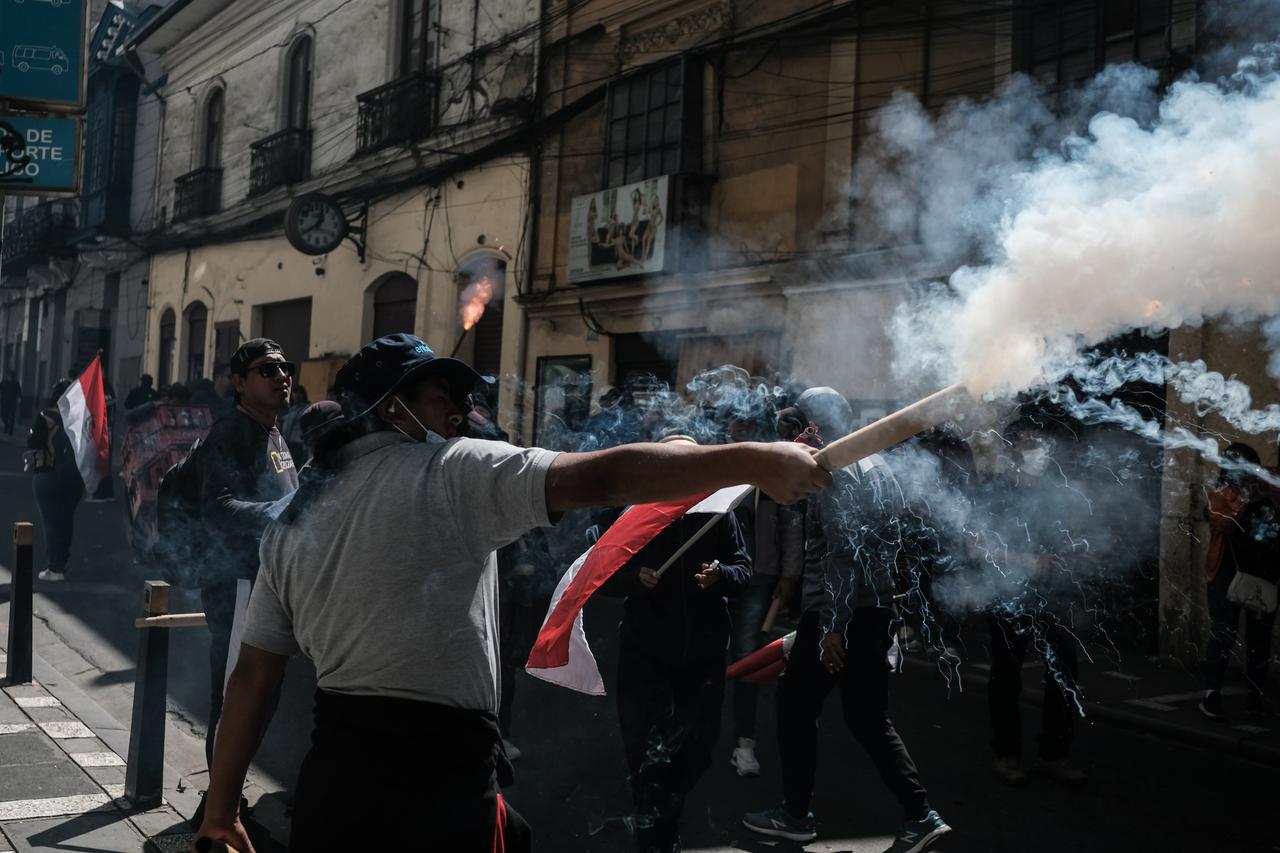
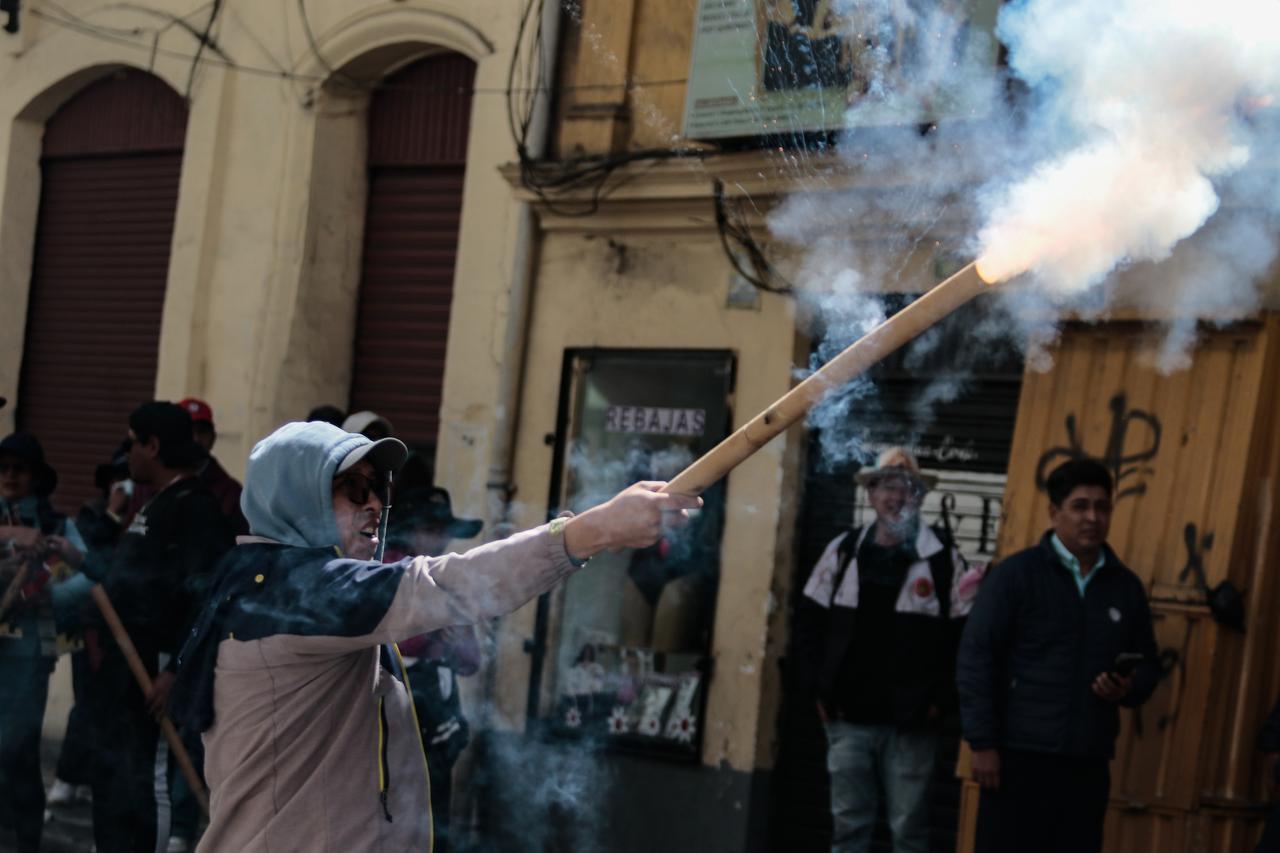
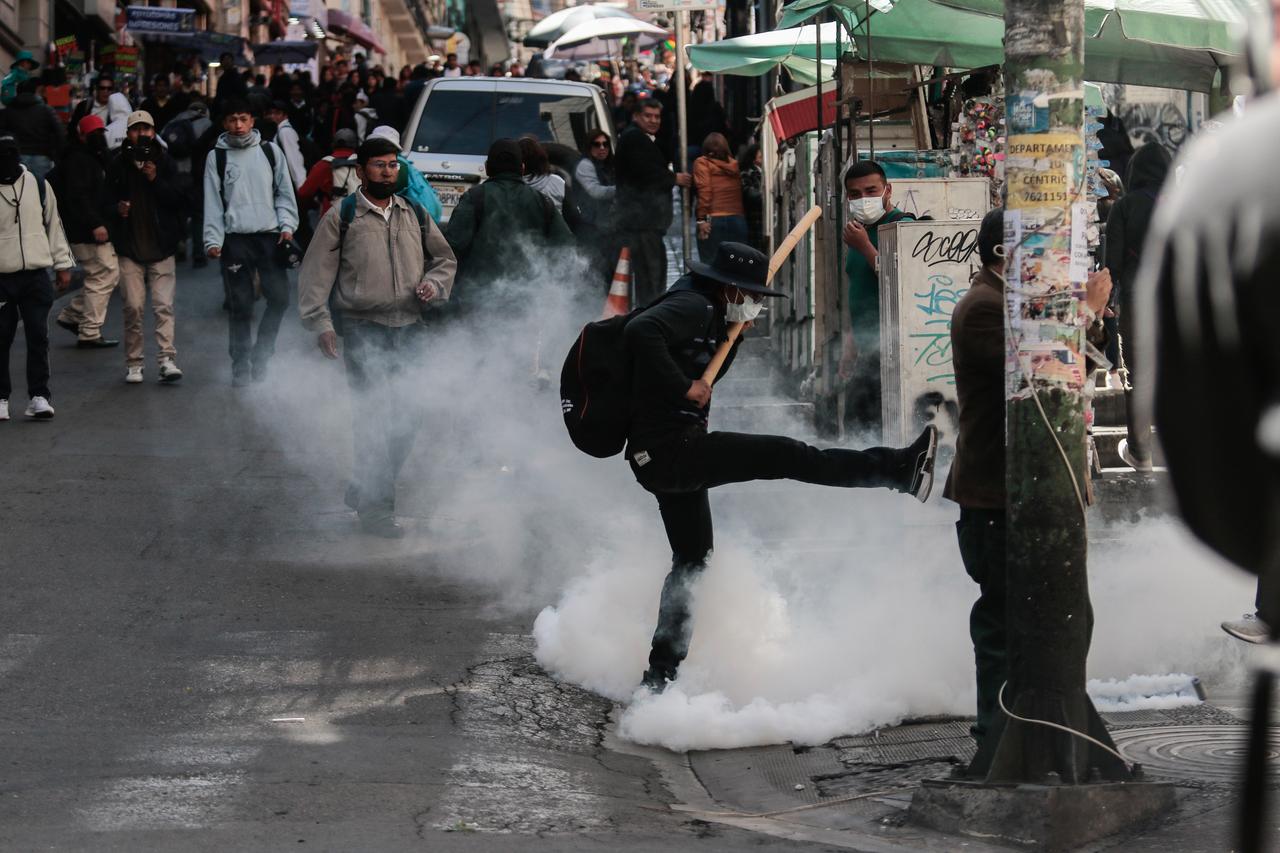
The Bolivia Protests are a series of anti-government demonstrations and strikes that began in Bolivia in May 2026 and quickly spread across the country. The protests were carried out with the participation of the Bolivian Workers’ Center (COB), mining unions, teacher associations, transportation sector workers, indigenous communities, peasant organizations, and various social movements. Nationwide road blockades were organized during the demonstrations, leading to shortages of food fuel and medical supplies in several cities, particularly La Paz. Clashes occurred between security forces and demonstrators, resulting in numerous arrests and injuries during incidents involving tear gas stones Molotov cocktails and dynamite.
Protests in La Paz Bolivia 6 May 2026 – (Anadolu Ajansı)
A significant portion of the demonstrators demanded the resignation of President Rodrigo Paz. The Paz government blamed former President Evo Morales who is subject to an arrest warrant for organizing the protests.
Rodrigo Paz assumed the presidency in November 2025 after winning the October 2025 elections marking the end of a long period of leftist rule in Bolivia. With Paz’s election the Movement for Socialism (MAS) government came to an end.
Paz’s rise to power coincided with one of the most severe economic crises Bolivia has faced in the last forty years. By April 2026 annual inflation had reached 14 percent foreign exchange reserves had declined natural gas production had dropped and Bolivia had become a net importer of natural gas. The country’s total public debt had risen to 95 percent of gross domestic product at the time Paz took office.
To restore fiscal balance the Paz government eliminated fuel subsidies that had been fixed at 2006 levels. As a result fuel prices rose from 3.72 bolivianos per liter to 9.80 bolivianos for diesel and from 3.74 bolivianos to 6.96 bolivianos for gasoline. In February 2026 the government requested a $3.3 billion financial support package from the International Monetary Fund (IMF).
Protests in La Paz Bolivia 6 May 2026 – (Anadolu Ajansı)
The actions began in early May 2026 when the Bolivian Workers’ Center (COB) the country’s main labor confederation called for a general strike in observance of May Day. COB General Secretary Mario Argollo addressed a crowd of approximately one thousand people in El Alto declaring “From today a general indefinite and active strike is declared until the government understands the people’s demands.”
Initially limited to demands for reforms in agriculture education and labor policies the demonstrations gradually expanded in scope. Miners transportation workers teachers students indigenous communities and peasant organizations joined the protests.
The main demands and grievances of the protesters include:
On 5 May 2026 the Bolivian Workers’ Center (COB) launched a general strike following calls from three separate groups demanding reforms in agriculture education and labor policies.
On 7 May transportation workers blocked roads and public transit came to a near standstill in La Paz El Alto Cochabamba Oruro and Sucre. According to data from the Bolivian Road Association at least seventy road blockades were established nationwide.
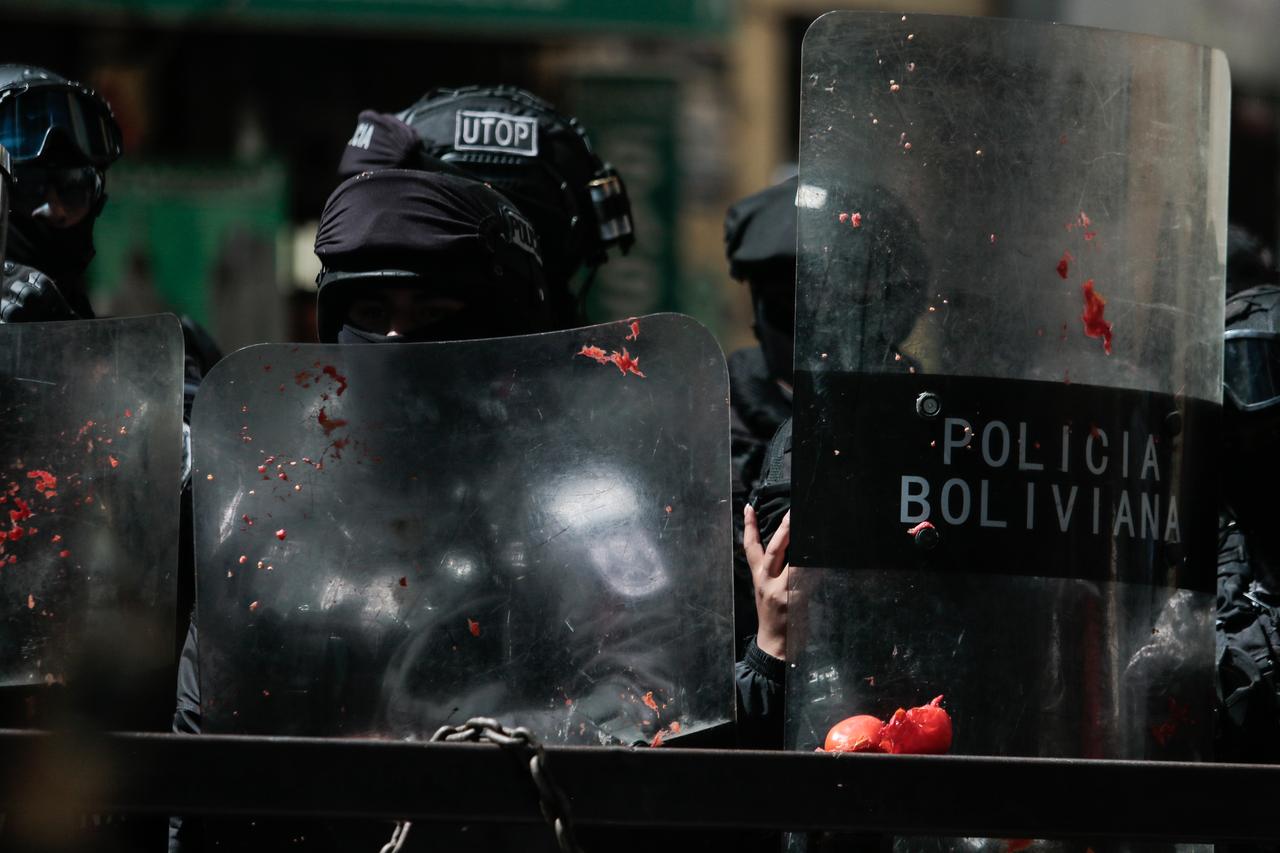
Security forces used tear gas to disperse teachers protesting near the presidential palace in La Paz.
On 12 May 2026 a court in the city of Tarija issued an arrest warrant for former President Evo Morales on charges of “qualified human trafficking.” After Morales and his lawyers failed to appear in court the judge declared him a fugitive imposed judicial restrictions banning him from leaving the country and authorized police to arrest him on sight without requiring a warrant.
Protests in La Paz Bolivia 6 May 2026 – (Anadolu Ajansı)
Prosecutor Luis Gutierrez stated regarding the case “The trial is suspended until the defendants appear in person or are brought before the court by state authorities.” Morales’s lawyers responded that the official summons had not been delivered in accordance with legal procedure which justified their clients’ absence. It was reported that Morales was located in the Chapare region near Cochabamba and that his supporters had made it difficult for security forces to enter the area.
The prosecution also accused Morales of having a child with a minor during his presidency. Morales and his allies rejected the allegations labeling the case as a case of “judicial persecution” orchestrated by the Rodrigo Paz government to remove him from politics.
Following the arrest warrant the coca grower leader Dieter Mendoza speaking on the radio station Kawsachun Coca said “They think arresting Evo Morales will crush the movement and leave it paralyzed. They are wrong. If they touch Evo Morales it will trigger a backlash… a nationwide uprising will begin.” Mendoza also called on residents of Cochabamba’s Tropics to be “on high alert” and “ready for war.”
On 14 May 2026 clashes erupted between protesters and security forces in La Paz during demonstrations led by miner groups and rural unions. Explosions were heard in the city center after miners detonated small dynamite charges and some protesters attempted to enter the presidential palace. Security forces responded with tear gas.
On 15 May 2026 miners affiliated with the COB attempted to march toward the Government Palace. Security forces blocked access routes with barriers. In incidents where some miners threw Molotov cocktails several demonstrators were injured. COB announced that if their demands were not met it would organize broader protests.
On 17 May 2026 miners indigenous groups teachers students and workers gathered around La Paz and erected barricades leading to clashes with security forces. The government announced that three people had died due to being unable to reach hospitals because of road blockades.
Government Spokesperson Jose Luis Galvez announced that a security force of 3500 military and police personnel had launched a large-scale operation to remove the barricades. Galvez stated that the operation’s goal was to ensure the delivery of food medical supplies and oxygen to hospitals and confirmed that the operation was ongoing. As a result of the events 57 people were arrested on charges of rioting.
The governments of Paraguay Argentina Chile Peru Ecuador Costa Rica Panama and Honduras issued a joint statement expressing concern over the situation in Bolivia offering support and solidarity to the Rodrigo Paz government and rejecting all forms of violence aimed at destabilizing democratic order.
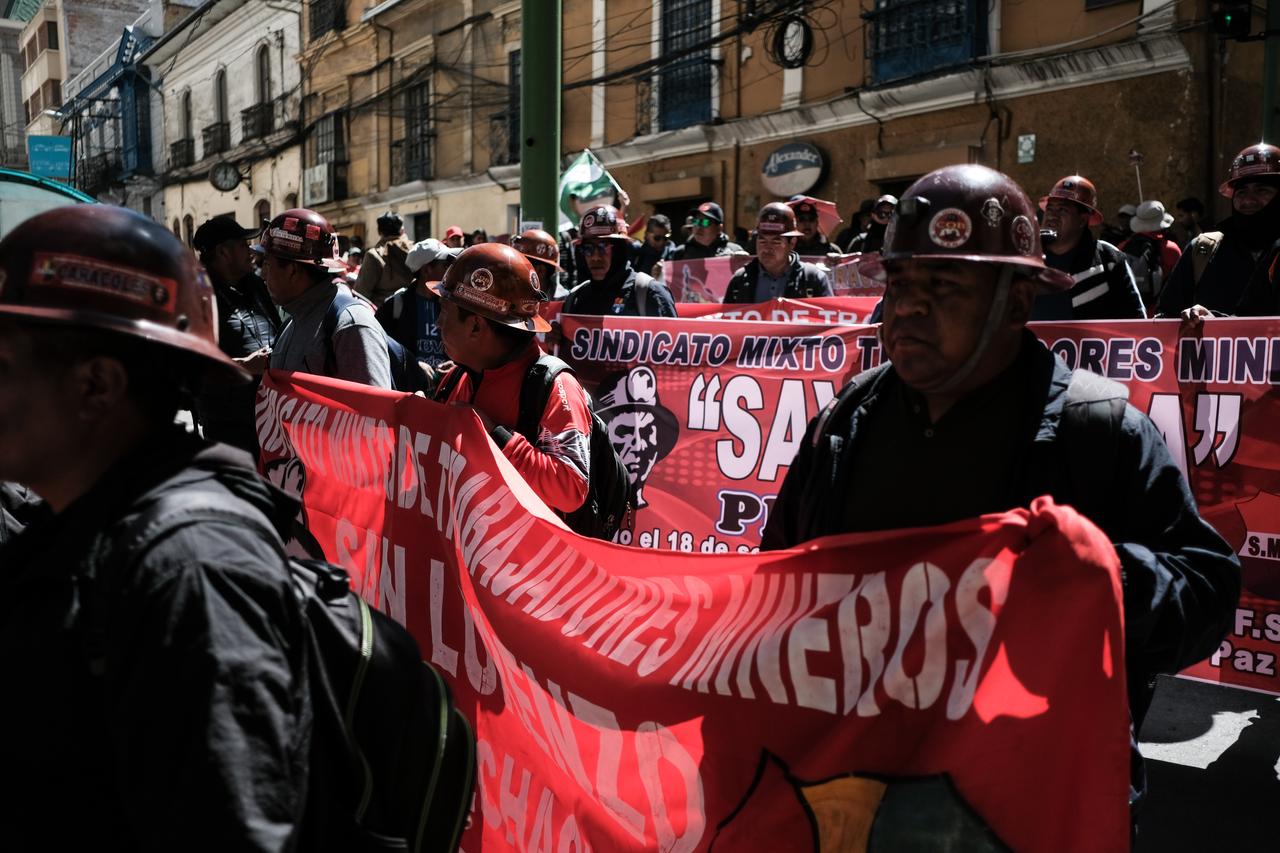
Protests in La Paz Bolivia 6 May 2026 – (Anadolu Ajansı)
On 18 May 2026 supporters of Evo Morales who had completed a six-day march across the Andes arrived in Oruro and proceeded toward La Paz. Explosions were heard in the city center as security forces used tear gas and protesters responded with stones and explosives. Government-released footage showed protesters entering an office and removing furniture computers and other equipment. Deputy Interior Minister Hernán Paredes reported that one protester had died after falling into a ditch during the clashes.
On 19 May 2026 thousands of farmers miners teachers public employees and indigenous community members gathered in La Paz. Police Chief Mirko Sokol stated that security forces used tear gas to prevent demonstrators from reaching the main square where the presidential palace is located. The prosecutor’s office issued an arrest warrant for COB leader Mario Argollo on charges of terrorism and incitement to crime. Attorney General Roger Mariaca confirmed that the warrant had been issued “under the command of the Bolivian Police.”
On the same day civil platforms in La Paz El Alto Cochabamba and Sucre organized marches. Demonstrators carrying tricolor flags and banners held protests in city centers. The La Paz march began at Bolivia Square and ended near the presidential building via Prado. In Cochabamba the Multisectoral Committee gathered at Flag Square and marched toward the city center. Cochabamba Chamber of Agriculture President Rolando Morales demanded the immediate removal of all road blockades the protection of the people’s right to life and the abandonment of efforts to shorten Paz’s term.
As of 20 May 2026 the number of people arrested in connection with the protests had risen to 120. Despite security force interventions protesters continued road blockades at 32 locations nationwide. Eleven police officers were injured by stones thrown during the clashes.
U.S. Deputy Secretary of State Christopher Landau stated that he had met with President Rodrigo Paz and expressed being “extremely concerned” about the escalating chaos in the country. Speaking at a conference organized by the Americas Society/Council of the Americas Landau said “I am extremely concerned about Bolivia. It is unacceptable that someone elected by an overwhelming majority of Bolivians less than a year ago through a democratic process now faces street blockades by violent protesters.” Landau further described the current situation as a “coup attempt” financed by what he called the “sacred alliance between politics and organized crime” threatening democratic governments in the region.
Rodrigo Paz’s government reached agreements with certain worker groups and teachers in El Alto one of the centers of intensified protests. However the Bolivian Workers’ Center (COB) continued urging its members to increase pressure on the government and escalate the protests.
The government began airlifting food supplies to the capital starting 10 May 2026. Argentina sent a military aircraft carrying food supplies at Bolivia’s request and announced it would establish a one-week humanitarian air bridge to alleviate shortages in the capital. The government also attempted to create a “humanitarian corridor” to temporarily open closed highways around La Paz for six hours.
Executive Minister Mauricio Zamora declared “The president will not resign.” Economic Minister Jose Gabriel Espinoza claimed that the protesters were part of “political operations” aiming to pave the way for the return of Evo Morales. Deputy Interior Minister Hernán Paredes stated “They can march peacefully but if they commit crimes we will act.”
The government is preparing to present to Congress a reform package that includes the gradual removal of fuel price controls and measures to increase domestic energy production and investment. The controversial agricultural reform law was repealed on 13 May 2026 following intense public backlash. Nevertheless the protests continued even after the law was revoked.
Evo Morales served as President of Bolivia from 2006 to 2019. After leaving office he settled in the Chapare region and remains there due to the arrest warrants issued against him.
Morales has expressed support for the protests through social media. He stated “The government is using military and police forces to suppress thousands of Bolivians protesting against the neoliberal model and the colonial state.” He further declared “The uprising will not stop until structural demands such as fuel food and inflation are addressed.”
In response to government claims that the protests are directed by Morales Morales said “They think that the thousands of Bolivians now demonstrating on the streets and roads are obeying the orders of just one person. Those who are angry are being driven by their social conscience and their anger toward a government that has betrayed its voters and the nation since day one.”
Rodrigo Paz’s government holds Morales responsible for organizing the protests and accuses his supporters of inciting road blockades. Morales rejects all allegations and characterizes the legal proceedings against him as politically motivated.
On 19 May 2026 eight national and international press organizations issued a joint statement condemning the violent incidents that occurred during protests in La Paz and El Alto on 18 May and affirmed their commitment to the right to information.
The signatories of the statement include:
The joint statement condemned attacks on journalists cameramen security personnel and public and private facilities. It also criticized the destruction and looting of urban property and noted that prolonged road blockades had led to the deaths of at least three people and caused severe shortages of food and medicine.
International Federation of Journalists reported that a photojournalist working for an international news agency was attacked and kicked by a group of protesters in central La Paz.
The statement also noted that another photojournalist working for a foreign media outlet was injured by a stone during clashes near the presidential building. The federation called on the Bolivian government and the Bolivian Police to implement effective protection mechanisms for journalists covering street protests.
The governments of Paraguay Argentina Chile Peru Ecuador Costa Rica Panama and Honduras issued a joint statement expressing support and solidarity with the Rodrigo Paz government and rejecting all forms of violence aimed at destabilizing democratic order.
The U.S. Department of State stated that it supports Paz’s efforts to restore order for the sake of Bolivians’ peace security and stability. U.S. Deputy Secretary of State Christopher Landau described the developments as an attempt threatening democratic governments in the region and stated that the Trump administration is working to prevent the success of anti-government and anti-institutional forces.
Argentina sent a military aircraft carrying food supplies at Bolivia’s request and announced it would establish a one-week humanitarian air bridge to alleviate shortages in the capital.
Market reactions to the protests remained limited. JPMorgan noted in a client assessment that Bolivia is “passing through a period of social and political tension as a nationwide strike intersects with mass protests and widespread road blockades.”
Agencia Boliviana de Información (ABI). "Plataformas Ciudadanas de La Paz, Cochabamba y Sucre se Movilizan en Defensa de la Democracia y Rechazo a Bloqueos." Accessed May 20, 2026. https://abi.bo/plataformas-ciudadanas-de-la-paz-cochabamba-y-sucre-se-movilizan-en-defensa-de-la-democracia-y-rechazo-a-bloqueos/
Agencia Boliviana de Información (ABI). "Prensa Nacional e Internacional Exige el Fin de la Violencia y Ratifica su Defensa del Derecho a la Información." Accessed May 20, 2026. https://abi.bo/prensa-nacional-e-internacional-exige-el-fin-de-la-violencia-y-ratifica-su-defensa-del-derecho-a-la-informacion/
Al Jazeera. "Clashes as Morales-Allied Protesters March on Bolivian Capital." Accessed May 20, 2026. https://www.aljazeera.com/news/2026/5/18/clashes-as-morales-allied-protesters-march-on-bolivian-capital
Al Jazeera. "Explosions Heard as Mining Groups Stage Antigovernment Protest in Bolivia." Accessed May 20, 2026. https://www.aljazeera.com/economy/2026/5/14/explosions-heard-as-mining-groups-stage-anti-government-protest-in-bolivia
Al Jazeera. "Protests in Bolivia Escalate Amid Economic Turmoil and Policy Demands." Accessed May 20, 2026. https://www.aljazeera.com/economy/2026/5/7/protests-in-bolivia-escalate-amid-economic-turmoil-and-policy-demands
Al Jazeera. "Thousands of Protesters Demand President’s Resignation in Bolivia’s La Paz." Accessed May 20, 2026. https://www.aljazeera.com/gallery/2026/5/19/thousands-of-protesters-demand-presidents-resignation-in-bolivias-la-paz
Anadolu Ajansı. "Bolivia Detains 57 Demonstrators Amid Anti-Government Protests About Economic Crisis." Accessed May 20, 2026. https://www.aa.com.tr/en/americas/bolivia-detains-57-demonstrators-amid-anti-government-protests-about-economic-crisis/3939915
Anadolu Ajansı. "Bolivia Issues Arrest Warrant for Ex-Leader Morales as Supporters Vow National Insurgency." Accessed May 20, 2026. https://www.aa.com.tr/en/americas/bolivia-issues-arrest-warrant-for-ex-leader-morales-as-supporters-vow-national-insurgency-/3934402
Anadolu Ajansı. "Bolivia Miners Clash with Police in Anti-Government Protest in La Paz." Accessed May 20, 2026. https://www.aa.com.tr/en/americas/bolivia-miners-clash-with-police-in-anti-government-protest-in-la-paz/3938113
CNN en Español. "¿Qué Hay Detrás de las Protestas en Bolivia?" Accessed May 20, 2026. https://cnnespanol.cnn.com/2026/05/19/latinoamerica/bolivia-protestas-rodrigo-paz-reux
France 24. "Bolivia Protests Against President Paz Widen with Violent Clashes, Looting in Capital." Accessed May 20, 2026. https://www.france24.com/en/americas/20260519-bolivia-protests-escalate-with-violent-clashes-and-looting-in-la-paz
Reuters. "Explainer: What Is Behind Bolivia’s Widening Protests?" Accessed May 20, 2026. https://www.reuters.com/world/americas/what-is-behind-bolivias-widening-protests-2026-05-18/
Reuters. "US Voices Alarm Over Bolivia Unrest as Protests Spread Nationwide." Accessed May 20, 2026. https://www.reuters.com/world/americas/us-voices-alarm-over-bolivia-unrest-protests-spread-nationwide-2026-05-19/

Anti-government protests in Bolivia, which began in May 2026, quickly spread across the country. Road blockades, strikes and clashes with security forces occurred in numerous cities, beginning with La Paz. The main causes of the protests include the economic crisis, high inflation, the removal of fuel subsidies and rising living costs. Among the demonstrators are the Bolivian Workers' Center COB, miners, teachers, transportation workers and indigenous communities.
No Discussion Added Yet
Start discussion for "2026 Bolivia Protests" article
May 20, 2026
Background
May 20, 2026
Beginning and Scope of the Protests
May 20, 2026
Chronology
May 20, 2026
Government Stance and Measures Taken
May 20, 2026
Evo Morales’s Role
May 20, 2026
Press and Freedom of Expression
May 20, 2026
International Reactions