This article was automatically translated from the original Turkish version.
+1 More
Registration Number | 1505 | ||||||||
|---|---|---|---|---|---|---|---|---|---|
Registration Date | 24.11.2023 | ||||||||
Application Number | C2021/000086 | ||||||||
Application Date | 28.02.2021 | ||||||||
Name of the Geographical Indication | Adana Peanut | ||||||||
Product / Product Group(s) | Peanut / Processed and Unprocessed Fruits Vegetables and Mushrooms | ||||||||
Type of Geographical Indication | Certification Mark | ||||||||
Applicant/Registrant(s) | Ceyhan Chamber of Commerce | ||||||||
Address of the Registrant | Station Street No:17, Türlübaş Neighborhood, ADANA | ||||||||
Geographical Boundary | Adana Province | ||||||||
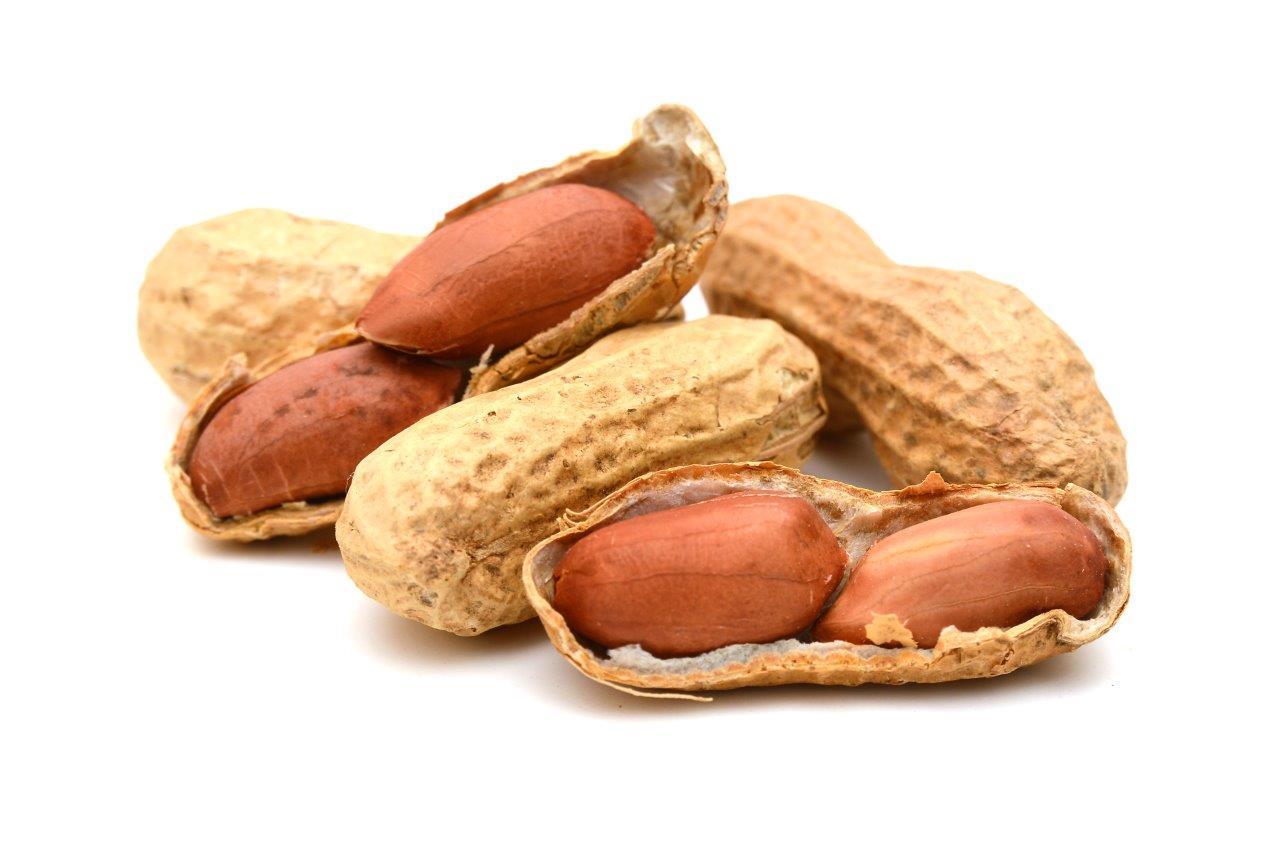
Adana peanut is an annual summer crop derived from the plant species Arachis hypogaea L. of the legume family, cultivated in the province of Adana and particularly distinguished by the Virginia variety. It is grown in alluvial, sandy-loamy soils with low groundwater levels and can be planted as both a first and second crop due to the region’s long summer season, high temperatures, and extended sunlight duration. The hard-shelled fruits contain at least 45 percent oil and are used both as a snack and in oil production. The cultivation process from sowing to harvest follows technical agricultural practices; crops sown in April and June are harvested in August and October.
Adana peanut is an annual summer crop derived from the plant species Arachis hypogaea L. of the legume family (Fabaceae), cultivated in the province of Adana, primarily using the Virginia variety. Commonly consumed as a snack, Adana peanut is also utilized in oil production. The shelled fruits contain at least 45 percent oil and can reach up to 19 percent protein content. The number of fruits per plant averages between 15 and 100, with the weight of 1000 seeds ranging from 240 to 550 grams.
Adana peanut is suitable for cultivation as both a first and second crop in the province of Adana, thanks to its warm climate and long summer season. Production areas in Adana feature alluvial, loose, sandy-loamy soils formed by the Ceyhan and Seyhan rivers. These soil characteristics facilitate the capsule-like development of peanuts underground, enable the production of large-sized kernels, and support the plant’s drying process. Sunlight duration also positively influences product quality and yield.
Soil and Seed Preparation: For the first crop, fields are plowed to a depth of 20–25 cm in autumn prior to sowing. Weeds emerging after winter are treated with a disk harrow. In April, the soil is prepared for planting through operations such as goble disk cultivation, disk harrowing, fertilization, and ridging. For the second crop, following cereal harvest, the field is irrigated and subjected to the same preparatory operations. Seeds are extracted from the pods for planting.
Sowing: The first crop is sown in April and the second in June. Sowing is not carried out until soil temperature exceeds 20°C. Row spacing is 60–70 cm, plant spacing within rows is 15–20 cm, and planting depth is 4–8 cm. Sowing can be done using air seeders or cotton seeders, or manually. Soil analysis is recommended for fertilizer application.
Cultivation Practices: Seedlings emerge within 7–10 days. After this stage, hoeing, weed control, ridging, irrigation, and pest and disease management are applied. Peanuts, with their taproot system, are capable of efficiently utilizing pre-planting fertilizers.
Irrigation: Water requirements are generally met by rainfall but are supplemented when necessary by sprinkler or drip irrigation systems. Water is sourced from the Ceyhan and Seyhan rivers.
Harvesting: Harvesting for the first crop occurs throughout August and for the second crop throughout October. During uprooting, plants are pulled from the soil and left on the rows to dry. Once dried, the plants are passed through a harvester to separate the pods from stems and leaves. The kernels are then sun-dried on mats. The drying process lasts approximately one week and is complete when the inner shell turns reddish.
Dried peanuts are packed in food-grade sacks of 25–30 kg and stored in dark, sunless environments at a temperature of 20°C. Sacks may be stacked up to a maximum of five layers high.
Adana peanut is used not only as a snack but also in oil production. As an oil-rich seed, it serves as an industrial raw material and is a high-energy, high-protein food source for human nutrition.
Adana peanut has been registered as a geographical indication due to its long-standing production history in the province of Adana and its dependence on local climatic and soil conditions. Under the geographical indication framework, the entire production process must take place within the boundaries of Adana province.
Inspection of the product is carried out by a four-member inspection board composed of representatives from Karataş Municipality, Adana Chamber of Commerce, Adana Provincial Directorate of Agriculture and Forestry, and coordinated by the Ceyhan Chamber of Commerce. The inspection verifies the suitability of seeds used, compliance with production methods, correct use of emblems and logos, and physical and chemical analyses of the product. External experts may be consulted when necessary.
Turk Patent and Trademark Office. "Adana Yer Fıstığı: Coğrafi İşaret Detay Sayfası." Geographical Indications Portal. Accessed August 16, 2025. https://ci.turkpatent.gov.tr/cografi-isaretler/detay/3442.
Turkish Patent and Trademark Office. "Adana Yer Fıstığı Coğrafi İşaret Belgesi." Geographical Indications Portal. Accessed August 16, 2025. https://ci.turkpatent.gov.tr/Files/GeographicalSigns/75af409c-b25f-4074-b8be-1aa3aac426c5.pdf.

Registration Number | 1505 | ||||||||
|---|---|---|---|---|---|---|---|---|---|
Registration Date | 24.11.2023 | ||||||||
Application Number | C2021/000086 | ||||||||
Application Date | 28.02.2021 | ||||||||
Name of the Geographical Indication | Adana Peanut | ||||||||
Product / Product Group(s) | Peanut / Processed and Unprocessed Fruits Vegetables and Mushrooms | ||||||||
Type of Geographical Indication | Certification Mark | ||||||||
Applicant/Registrant(s) | Ceyhan Chamber of Commerce | ||||||||
Address of the Registrant | Station Street No:17, Türlübaş Neighborhood, ADANA | ||||||||
Geographical Boundary | Adana Province | ||||||||
Botanical Characteristics
Growing Conditions and Geographic Boundaries
Production Process
Packaging and Storage
Uses
Connection to Place of Origin
Inspection