

This article was automatically translated from the original Turkish version.
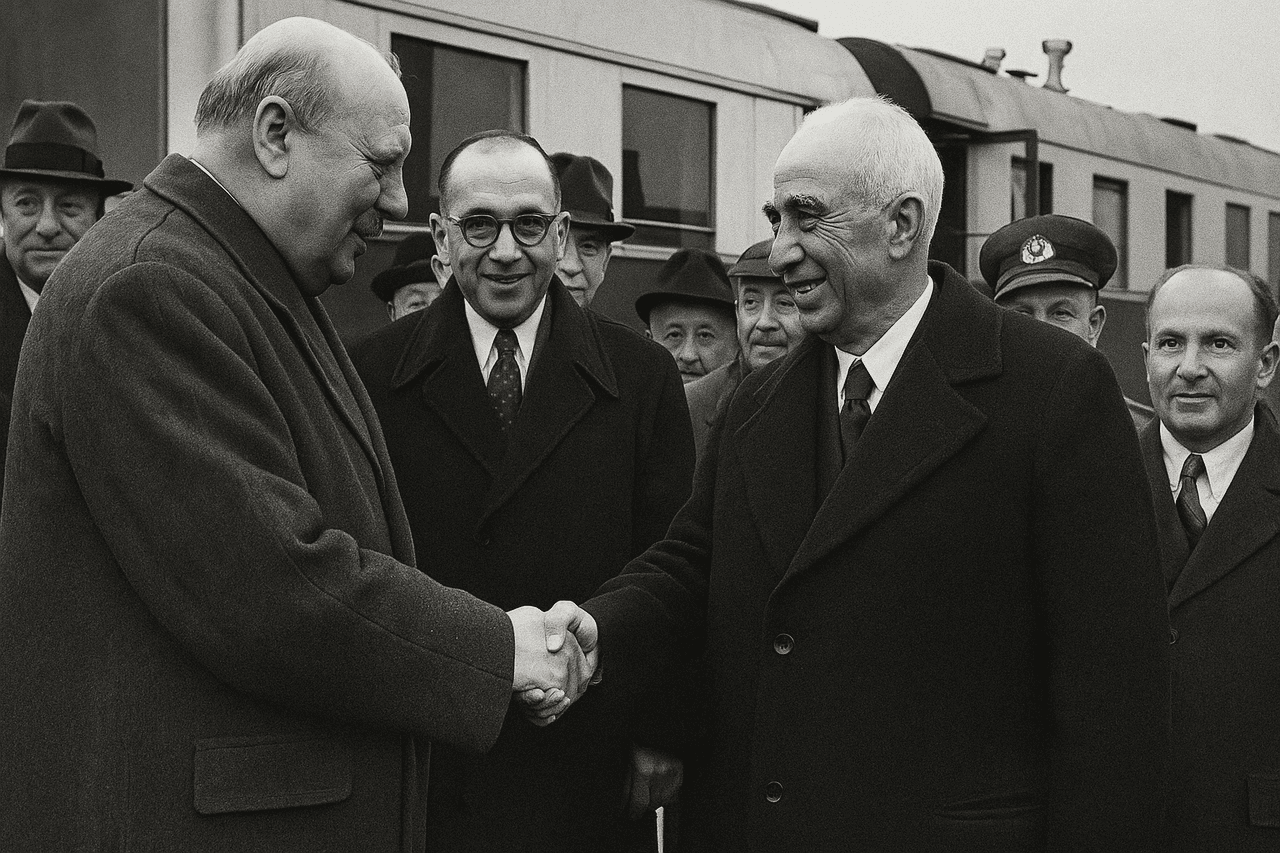
The Adana Meeting took place between Turkish President İsmet İnönü and British Prime Minister Winston Churchill on 30–31 January 1943. This meeting holds great significance in evaluating Türkiye’s potential entry into the war on the side of the Allies. The date of the meeting coincides with a turning point in the war, when the tide began to shift in favor of the Soviet Union against the German army.
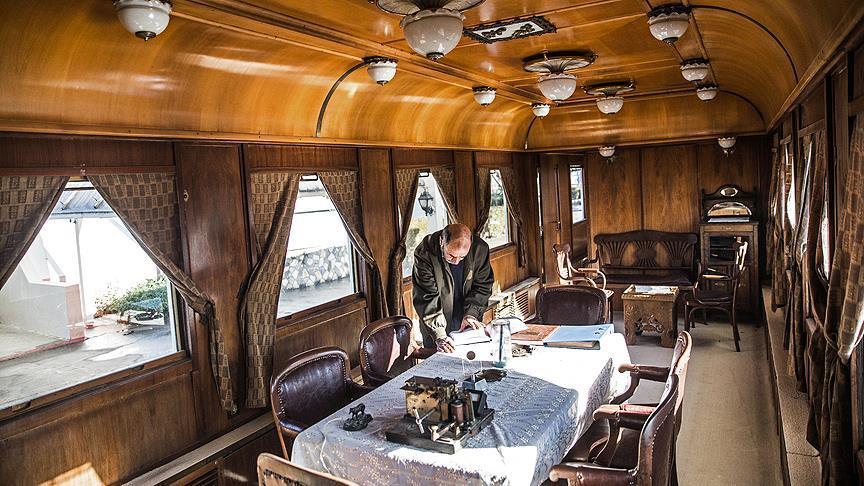
Location of the Meeting (AA)
Throughout the war, Türkiye pursued a balanced policy aimed at preserving its independence and territorial integrity. Although the 1939 alliance treaty with Britain and France reflected Türkiye’s desire to align with Western powers against the Axis threat, the country applied this obligation only partially to avoid the devastation of war. Türkiye sought to safeguard the Montreux Convention against potential Soviet demands and looked to Britain and France for guarantees against Soviet ambitions.
After the tide of the war turned in favor of the Soviet Union at Stalingrad, the Allies aimed to encircle Germany through the Balkans. In this context, Churchill devised a plan to open a second front in the Balkans by utilizing Turkish military bases. Although the United States and the Soviet Union were unenthusiastic about the plan, Churchill remained determined to bring Türkiye into the war. The Adana Meeting was the result of this effort.
The meeting, held at Yenice Station in Adana, was attended by Türkiye’s delegation comprising İsmet İnönü, Şükrü Saraçoğlu, Numan Menemencioğlu and Fevzi Çakmak, while Churchill, Undersecretary of Foreign Affairs Cadogan and British military officials represented Britain. Türkiye’s desire to remain neutral was clearly stated during the talks; İnönü and Saraçoğlu emphasized their concerns about Soviet postwar expansionist tendencies.
Churchill, however, argued that the Soviet Union would be exhausted after the war and that Türkiye would secure the best guarantees by joining the Allies. At this point, Türkiye’s firm resolve to maintain its neutrality became unmistakably clear.
The concrete outcome of the meeting was the detailed listing of military aid requested by Türkiye from the Allies. These documents, known as the “Adana Lists,” included tanks, aircraft, motor vehicles, ammunition and various military equipment. Türkiye declared it would not enter the war without this assistance and even used the prospect of receiving these supplies as leverage to remain neutral.
In April 1943, Britain sent a military delegation led by General Wilson to Ankara. Under the operation named “Hardihood,” a plan for aid to Türkiye was prepared, but the British became disillusioned, believing Türkiye was deliberately delaying progress. Türkiye prolonged negotiations by citing insufficient transportation infrastructure and the unpreparedness of its armed forces.
One of the most important issues raised at the Adana Meeting was the concern that the Soviet Union would exhibit expansionist tendencies after the war. This prediction was later confirmed by Soviet demands at the 1945 Yalta and Potsdam Conferences, where the USSR sought military bases in the Straits and proposed changes to Türkiye’s eastern borders. İnönü and the Turkish foreign ministry had recognized this threat well in advance and formulated their policy of neutrality accordingly.

No Discussion Added Yet
Start discussion for "Adana Meeting (January 30–31, 1943)" article
Türkiye’s Position in Foreign Policy
Background to the Meeting
Details of the Adana Meeting
Military Assistance Request and the “Adana Lists”
Developments After the Meeting
Türkiye’s Policy Against the Soviet Threat