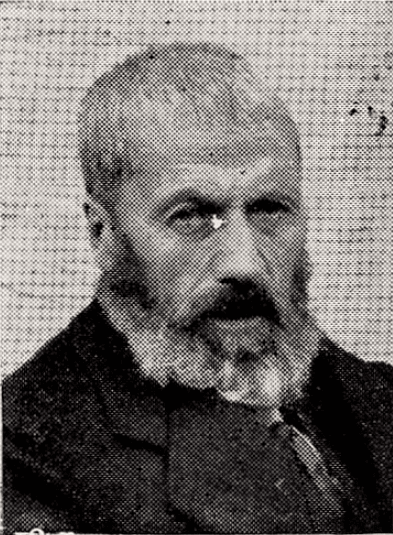



Birth | 1871, Melikgazi, Kayseri, Türkiye | ||||||||
|---|---|---|---|---|---|---|---|---|---|
Death | 4 November 1938, Kayseri, Türkiye | ||||||||
Education | Pervazbey Medresesi Teaching Authorization | ||||||||
Profession(s) | Müderris Member of Parliament Teacher Mufti | ||||||||
Political Office | Member of Parliament for Kayseri in the 1st Term of the Grand National Assembly of Türkiye (1920) | ||||||||
Grammar | Arabic, Persian | ||||||||
Works | Eight works registered in the Raşit Efendi Library | ||||||||
Family | Married father of six children | ||||||||
Burial Place | Seyyid Burhaneddin Cemetery (Kayseri) | ||||||||
Ahmet Remzi Akgöztürk, a religious scholar, educator, and politician born in Kayseri, held various positions during both the Ottoman period and the early years of the Republic of Türkiye, distinguished particularly by his active role in the National Struggle. Throughout his career, spanning from religious teaching to the office of mufti, from teaching to membership in parliament, he assumed significant roles in religious and social spheres. In 1920, he was elected as a deputy from Kayseri to the First Grand National Assembly of Türkiye but soon resigned from parliament to accept the position of mufti. Following his criticism of the reforms of the Republican era, Akgöztürk was removed from his post as mufti and devoted the remainder of his life to religious studies and scholarly writing.
Ahmet Remzi Akgöztürk was born in 1871 in the Baldöktü neighborhood of Melikgazi district in Kayseri. His father, Nuh Necati Efendi, belonged to the ulema class. He completed his primary education at the Kayseri Sübyan School and his secondary education at the rüştiye. He then studied at the Pervazbey Medrese and received his authorization to teach as a müderris in 1898. In the same year, he was promoted to chief teacher at the Terakki School. From 1898 until 1909, he served as a chief teacher in three different schools.
In 1909, Akgöztürk began teaching religious sciences at the Adana Sultanis. In 1911, he was appointed mufti of Kayseri, a position he held until 1919. Following the Armistice of Mudros, he was dismissed from his posts as mufti and müderris by Sheikh al-Islam Mustafa Sabri Efendi on the grounds that he had not permitted the activities of the Hürriyet ve İtilaf Fırkası in Kayseri. Subsequently, he served as a Persian language teacher at the Kayseri Sultanis.
Ahmet Remzi Bey, in accordance with the decisions of the Sivas Congress, founded and led the Defense of Rights Society in Kayseri. He was part of the delegation that welcomed Mustafa Kemal Paşa during his visit to Kayseri on 19 December 1919. On 29 March 1920, he sent a telegram to the Representation Committee declaring his opposition to the partitioning of the Ottoman Empire. He was among the signatories of a counter-fatwa prepared by Kayseri Mufti Rifat Börekçi, which opposed the fatwa issued by Istanbul’s Sheikh al-Islam Dürrizade Abdullah against the Anatolian movement.
Akgöztürk joined the Grand National Assembly of Türkiye, opened on 23 April 1920, as a deputy from Kayseri. He served on the Commission of Sharia and Endowments and the Guidance Council. However, upon his reappointment as mufti of Kayseri on 10 May 1920, he resigned from parliament on 9 November 1920, as the law prohibited holding both parliamentary and mufti positions simultaneously. He was among the Kayseri deputies with the least activity in the Assembly.
Akgöztürk occasionally expressed opposition to the reforms implemented after the proclamation of the Republic, particularly criticizing the Hat Law and delivering sermons deemed controversial. As a result, he was removed from his position as mufti on 29 November 1925. He continued teaching Persian at the Kayseri Sultanis until 1927 and devoted the remaining years of his life to religious research and writing books.
Ahmet Remzi Akgöztürk died in Kayseri on 4 November 1938. His body was buried in the Seyyid Burhaneddin Cemetery. He was married and the father of six children. Eight of his original works and translations on the Qur’an, hadith, and Islamic religion are recorded in the Raşit Efendi Library in Kayseri.
Atatürk Araştırma Merkezi. “Ahmet Remzi Akgöztürk (1871–1938).” *Atatürk Ansiklopedisi*. Accessed July 1, 2025. https://ataturkansiklopedisi.gov.tr/detay/1924/Ahmet-Remzi-Akg%C3%B6zt%C3%BCrk-(1871-1938)
Kayseri Müftülüğü. "Ahmet Remzi Akgöztürk." *T.C. Diyanet İşleri Başkanlığı*. Accessed July 1, 2025. https://kayseri.diyanet.gov.tr/sayfalar/contentdetail.aspx?ContentId=288&MenuCategory=Kurumsal

Birth | 1871, Melikgazi, Kayseri, Türkiye | ||||||||
|---|---|---|---|---|---|---|---|---|---|
Death | 4 November 1938, Kayseri, Türkiye | ||||||||
Education | Pervazbey Medresesi Teaching Authorization | ||||||||
Profession(s) | Müderris Member of Parliament Teacher Mufti | ||||||||
Political Office | Member of Parliament for Kayseri in the 1st Term of the Grand National Assembly of Türkiye (1920) | ||||||||
Grammar | Arabic, Persian | ||||||||
Works | Eight works registered in the Raşit Efendi Library | ||||||||
Family | Married father of six children | ||||||||
Burial Place | Seyyid Burhaneddin Cemetery (Kayseri) | ||||||||
No Discussion Added Yet
Start discussion for "Ahmet Remzi Akgöztürk" article
Early Life and Education
Educational and Official Appointments
Role in the National Struggle
Parliamentary Service and Choice of Mufti Position
Post-Republican Period
Death and Legacy