


This article was automatically translated from the original Turkish version.
+2 More
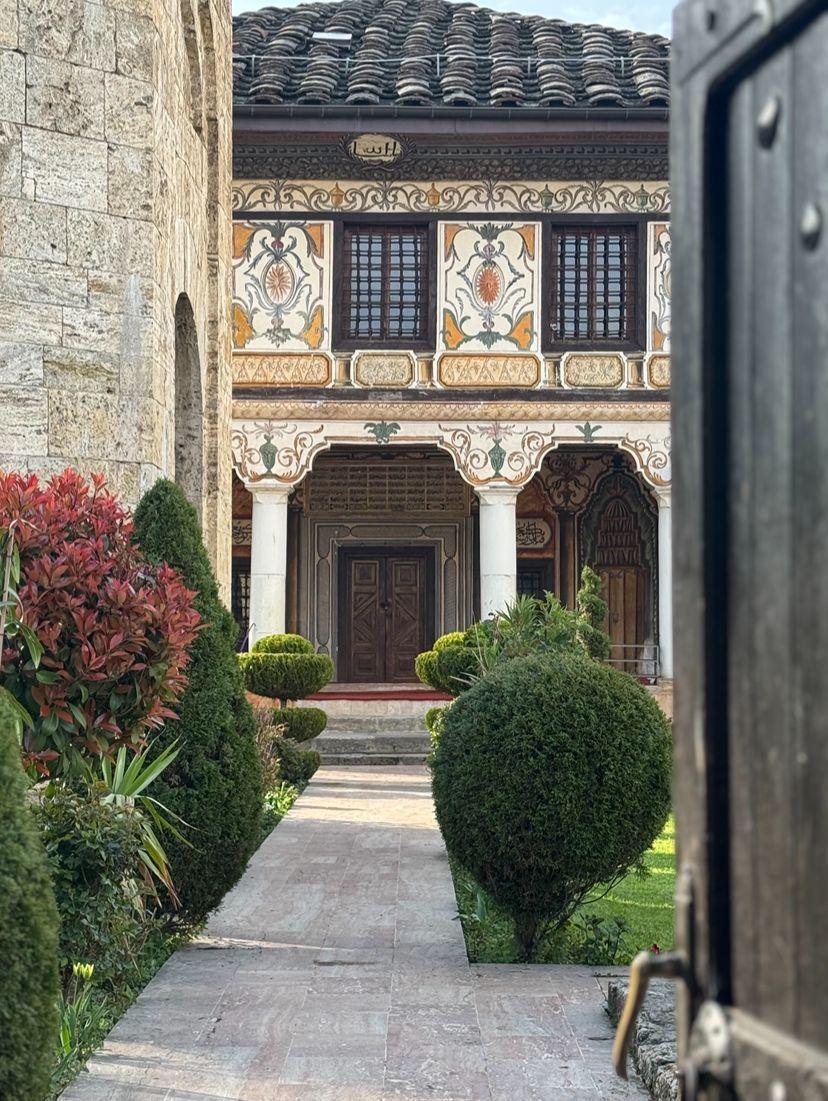
Photo: Berranur Öksüzömer
Alaca Camii
Location | Kalkandelen (Tetovo) North Macedonia | ||||||||
|---|---|---|---|---|---|---|---|---|---|
Construction Date(s) | 15th century | ||||||||
Patrons | Hurşide and Mensure Hanımlar (two sisters) | ||||||||
Historical Function | Mosque (place of worship) | ||||||||
Decorative Techniques | Fresco and secco; natural pigments, egg white, plaster mixtures | ||||||||
Current Function | Both a place of worship and a cultural attraction | ||||||||
The Alaca Cami, located in the city of Kalkandelen (Tetovo), is one of the most striking examples of Ottoman-era architecture and artistic sensibility in North Macedonia. Built in the 15th century, this structure stands out not only for its architectural plan but also for its rich, polychrome penwork decorations adorning both its interior and exterior facades. The mosque’s uniqueness lies not merely in its function as a religious building but also in its wall paintings, which exhibit Baroque influences—a rare feature in the Balkans. Throughout its history, the Alaca Cami has undergone various renovations and today remains a symbolic structure serving both religious and cultural heritage purposes.
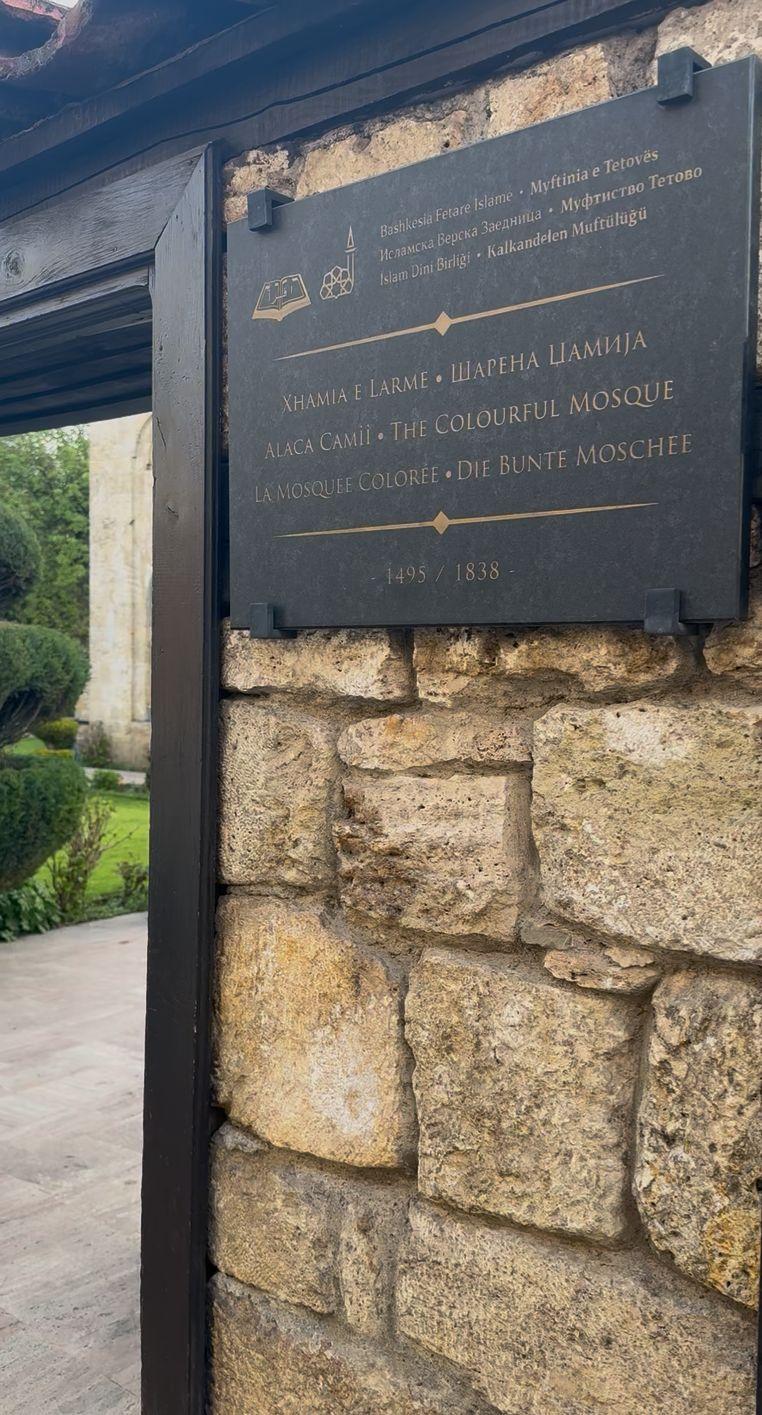
Alaca Cami (Berranur Öksüzömer)

Alaca Cami (Berranur Öksüzömer)
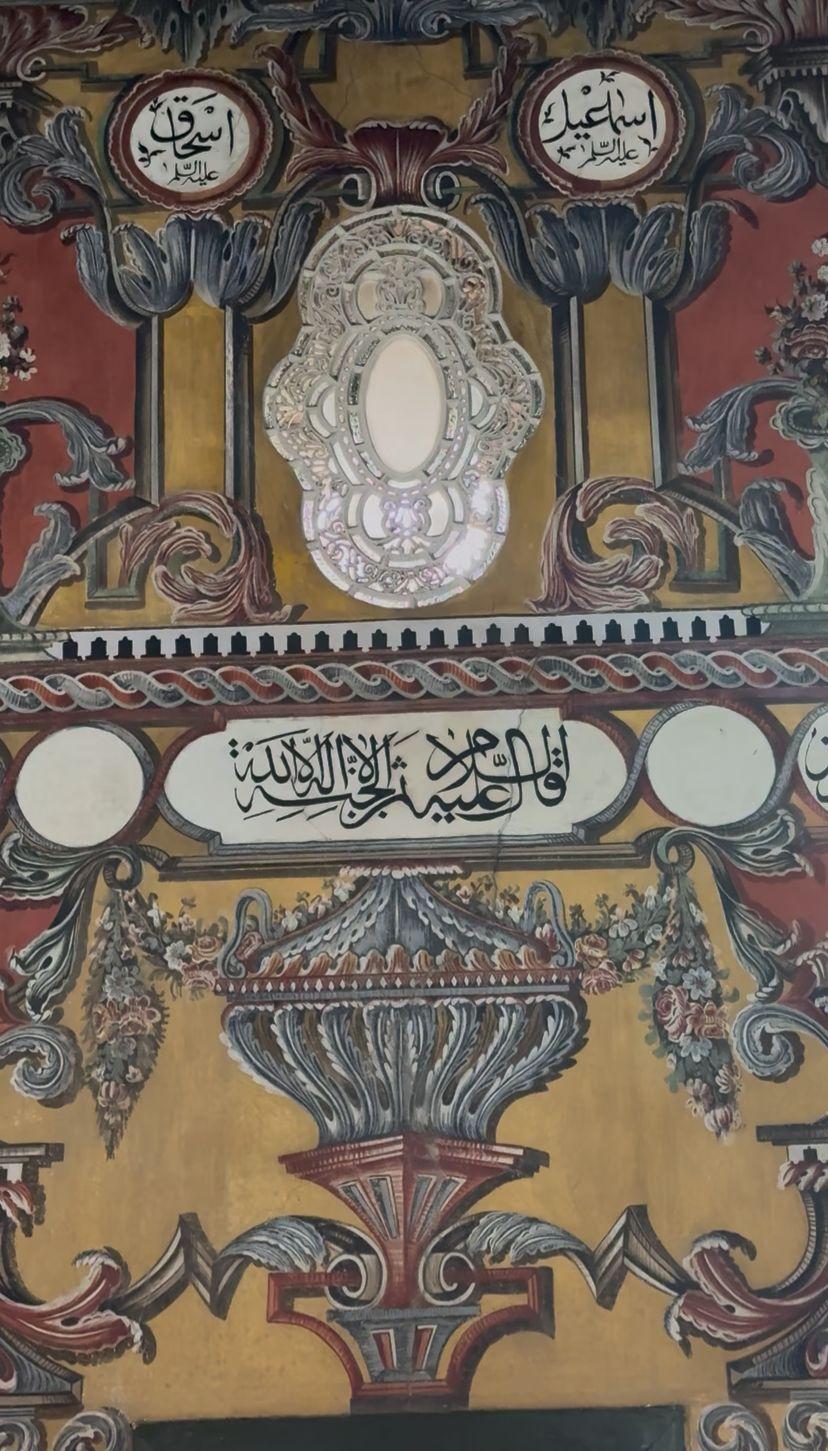
Alaca Cami (Berranur Öksüzömer)
Alaca Cami is regarded as one of the original examples of Ottoman artistic and architectural heritage in the Balkans, distinguished by its architectural layout, decorative techniques, and historical context. The vibrant penwork decorations visible on both its interior and exterior facades reflect the artistic sensibilities of its era, while the compositions executed in fresco and secco techniques have endowed the mosque with a unique visual identity. Renovations in the 19th century enriched the structure both architecturally and artistically, transforming it into a cultural focal point. Today, as a site serving both religious and tourism purposes, the mosque plays a vital role in sustaining the Ottoman legacy in the region.
Anadolu Ajansı. "Kuzey Makedonya'nın zarafet sembolü: Alaca Camii." Accessed July 5, 2025. https://www.aa.com.tr/tr/dunya/kuzey-makedonyanin-zarafet-sembolu-alaca-cami/2313348
Demirarslan, Deniz. "19. YÜZYIL OSMANLI DİNİ MİMARİSİNDE DUVAR RESMİ SANATI: BALKANLARDAN KALKANDELEN ALACA CAMİ ÖRNEĞİ." Türk Kültürü ve Hacı Bektaş Veli Araştırma Dergisi 80 (2016): 151-182. dergipark.org.tr/en/download/article-file/2580913
Tunçel, Gül. "Üsküp Alaca Camii Haziresi'ndeki şahideler." Hacettepe Üniversitesi Edebiyat Fakültesi Dergisi 22.1 (2005). Forma 15
İbrahimgil, Mehmet. "Kalkandelen (Tetovo) Alaca-Paşa Camii." (1997).

Photo: Berranur Öksüzömer
Alaca Camii
Location | Kalkandelen (Tetovo) North Macedonia | ||||||||
|---|---|---|---|---|---|---|---|---|---|
Construction Date(s) | 15th century | ||||||||
Patrons | Hurşide and Mensure Hanımlar (two sisters) | ||||||||
Historical Function | Mosque (place of worship) | ||||||||
Decorative Techniques | Fresco and secco; natural pigments, egg white, plaster mixtures | ||||||||
Current Function | Both a place of worship and a cultural attraction | ||||||||
Location and History
Architectural Features
Decorations and Artistic Features
Uniqueness and Artistic Value
Restoration and Conservation
Current Use