

This article was automatically translated from the original Turkish version.
+1 More
Location | Manisa Türkiye | ||||||||
|---|---|---|---|---|---|---|---|---|---|
Date(s) | Continuous settlement from the Chalcolithic Age to the Ottoman period | ||||||||
Ancient Name | Philadelphia, Neocaesaria | ||||||||
Founder(s) | King Attalus II Philadelphus of Pergamon (2nd century BCE) | ||||||||
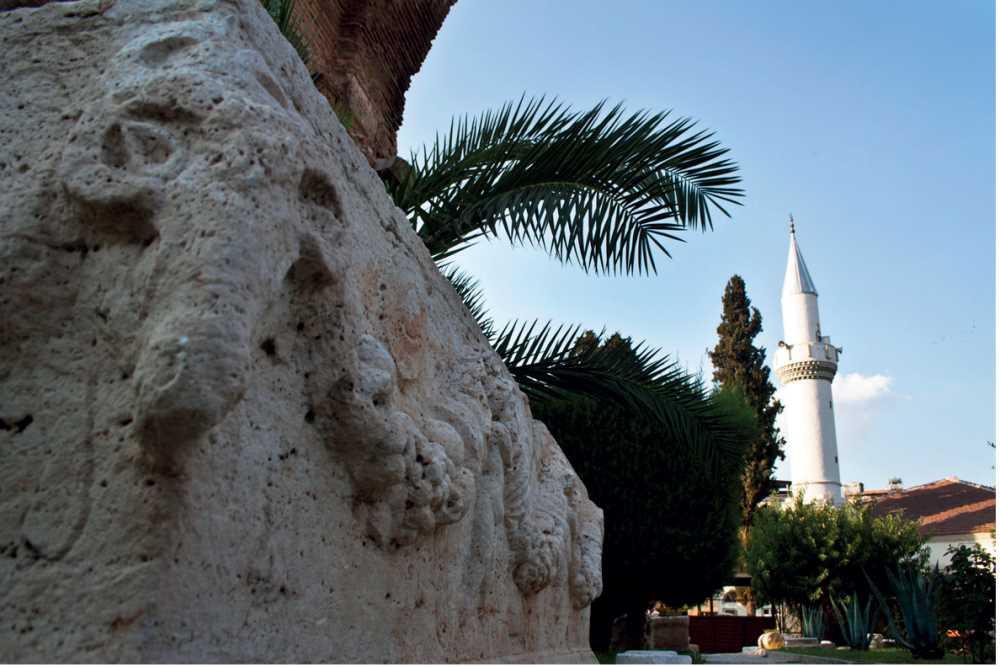
The ancient city located in the district of Alaşehir, approximately 110 km from the city center of Manisa, was transformed into a major settlement center in the mid-2nd century BCE by King Attalus II Philadelphus of Pergamon, who named it “Philadelphia” in his honor. During the Roman period, the city became known as “Little Athens” due to its temples and festivals. It retained its importance during the Byzantine era and was fortified with walls in the 11th century following the onset of Turkish incursions.

Alaşehir Örenyeri (Turkish Museum)
The urban center is concentrated today on the acropolis area known locally as Toptepe. Nearby, on a mound called Gevurtepe, traces dating to the Protohistoric period have been observed. Excavations conducted in the 1980s around Toptepe partially uncovered structures such as a theater, a temple, and a stadium. However, due to the incomplete nature of the excavations, these remains are not currently fully visible.
During these excavations, the entrance gate known as the “Eastern Gate” from the Byzantine period was also revealed. This gate, protected by two towers, was sealed during the Turkish incursions and has not been used since.
Philadelphia holds great importance in early Christian history as one of the seven churches mentioned in the Bible. The Church of St. John, dated to the 6th century, exhibits architectural features characteristic of this period. The three surviving monumental columns of the church reflect its grandeur and architectural quality. The construction of the church extensively reused column fragments and carved stones from antiquity.
Although Alaşehir Örenyeri currently lacks a comprehensive museum, it functions as an open-air museum centered around the archaeological remains and the Church of St. John. The church ruins and other portable artifacts are displayed and preserved in this area. The site attracts significant interest, particularly for faith-based tourism, and is open to both domestic and international visitors throughout the year.
Alaşehir Örenyeri, especially the Church of St. John, contributes significantly to the economic revitalization of the region through cultural and faith-based tourism. The site, visited annually by a large number of domestic and foreign tourists, has become one of the local population’s income sources. Additionally, the opening of the site to tourism has led to increased infrastructure investments in the region.
Continuing archaeological excavations and conservation efforts at Alaşehir is essential both for uncovering the region’s historical heritage and for the sustainable development of tourism. Local authorities and the Ministry of Culture plan to transform the site into a professional museum, aiming to preserve its cultural values and enhance the visitor experience.
Culture Portal. "Philadelphia (Alaşehir)." Accessed June 29, 2025. https://www.kulturportali.gov.tr/turkiye/manisa/gezilecekyer/philadelphia.
Museum Information System, "Manisa Alaşehir Örenyeri," Accessed June 29, 2025. https://muze.gov.tr/muze-detay?sectionId=ALS01&distId=MRK.
Turkish Museums. "Manisa Alaşehir Örenyeri." Accessed June 29, 2025. https://www.turkishmuseums.com/museum/detail/2146-manisa-alasehir-orenyeri/2146/1.
Türkiye Turizm Ansiklopedisi. "Alaşehir Örenyeri." Accessed June 29, 2025. https://turkiyeturizmansiklopedisi.com/alasehir-orenyeri.
Location | Manisa Türkiye | ||||||||
|---|---|---|---|---|---|---|---|---|---|
Date(s) | Continuous settlement from the Chalcolithic Age to the Ottoman period | ||||||||
Ancient Name | Philadelphia, Neocaesaria | ||||||||
Founder(s) | King Attalus II Philadelphus of Pergamon (2nd century BCE) | ||||||||
Archaeological Areas and Structures
Religious and Cultural Significance
Conservation and Tourism
Socio-Economic Impacts
Future Plans