


This article was automatically translated from the original Turkish version.
The Alfred Tropical Cyclone is a tropical cyclone that affected Queensland and New South Wales (NSW) in Australia in 2025. It is the first tropical cyclone since 1974 to make direct landfall near Brisbane and its surroundings, causing severe rainfall, flooding, electricity outages and infrastructure damage.
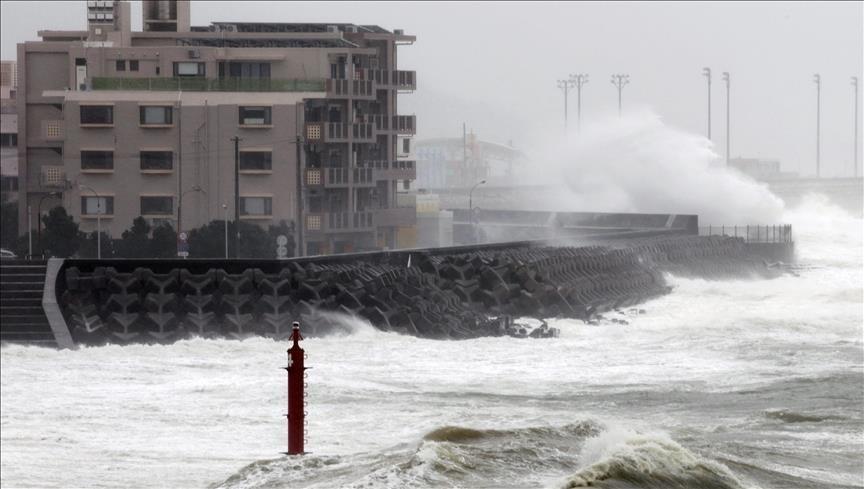
(Alfred Tropical Cyclone, March 2025 - Anadolu Agency)
The cyclone dropped over 800 millimetres of rainfall in some areas within 24 hour, triggering severe flooding. This natural disaster prompted the evacuation of thousands of people and the deployment of emergency situation teams.
The Alfred Tropical Cyclone developed over the northern Coral Sea, gaining strength over 17 day under moist and slowly moving atmospheric conditions that enabled it to reach its peak intensity as a Category 4 cyclone. As it moved southward, its strength gradually weakened, reaching Category 2 as it approached the Australian coast.
Although the cyclone was expected to make a strong landfall near Brisbane, it weakened to Category 1 before making landfall and subsequently transitioned into a tropical low-pressure system. This transition did not reduce the intensity of rainfall; instead, it led to the formation of intense rain and wind that caused widespread flooding.
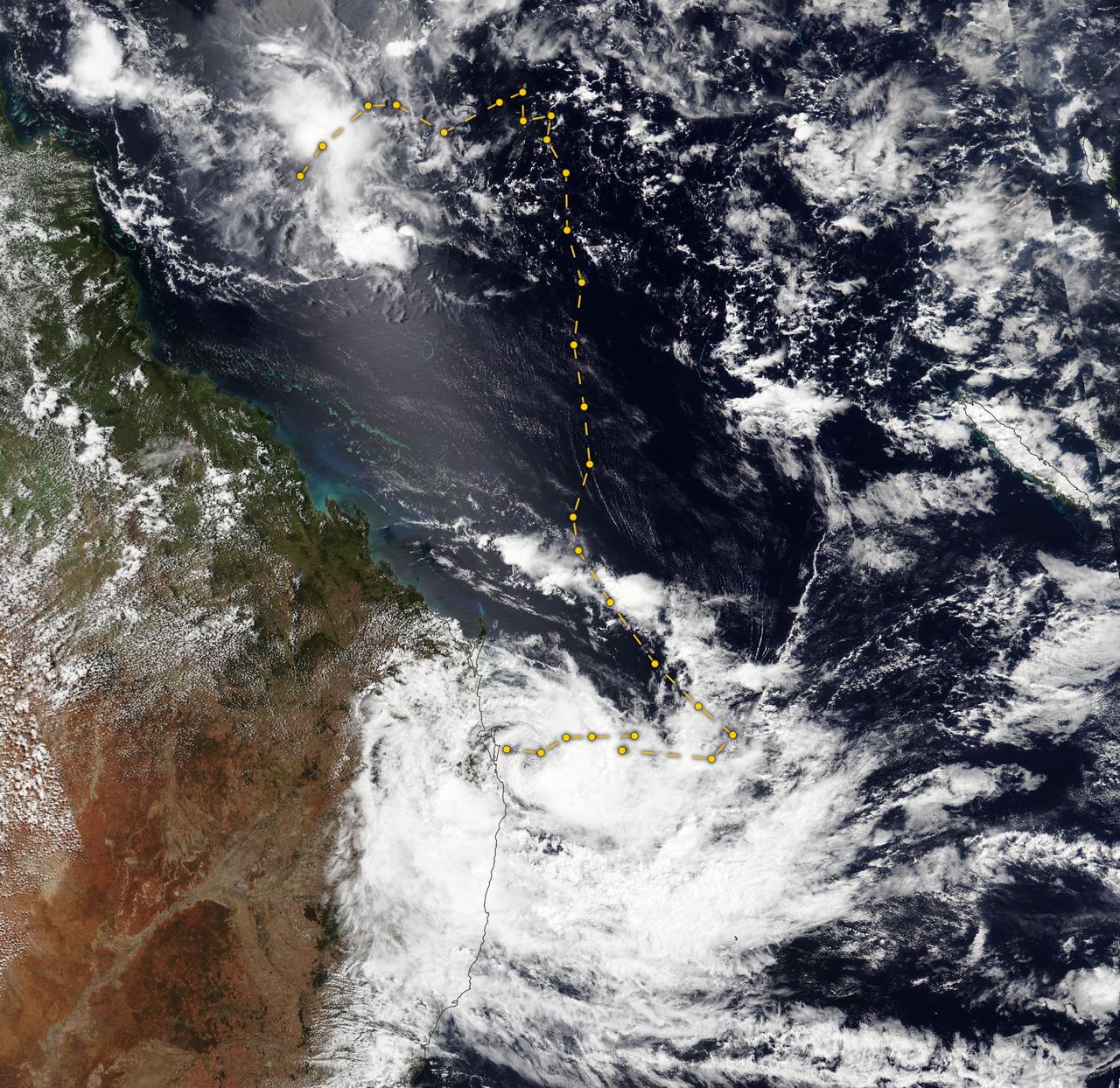
(Track of the Alfred Tropical Cyclone, March 2025 - NASA Earth Observatory)
The Alfred Tropical Cyclone made landfall north of Brisbane on 8 March 2025, bringing heavy rainfall, strong winds and coastal inundation to the region. As the cyclone moved inland, rainfall intensified further.
In some areas, more than 800 millimetres of rain fell in a single day, leading to infrastructure collapse and widespread water inundation. Brisbane, the Gold Coast, the Sunshine Coast and many town in northern NSW were among the most affected areas.
The Alfred Tropical Cyclone produced record-breaking rainfall across many regions. Dorrigo (NSW) received 858 mm, Upper Springbrook 848 mm and Meldrum 712 mm. Hervey Bay received 250 mm of rain in just a few hours, triggering sudden floods and evacuations. Brisbane recorded 200 mm of rainfall within 24 hours.
Many river, particularly the Bremer River, Laidley Creek and Warrill Creek, overflowed due to severe flooding, causing extensive salt inundation. In Brisbane, 20,000 house were at risk of flooding.
The cyclone caused damage to power lines, disabled energy plants and uprooted trees. At its peak, more than 330,000 homes and businesses lost electricity. In Queensland, 291,000 households were without power, 131,000 in the Gold Coast and 45,000 in NSW. Brisbane Airport was closed and public transport services in the city were suspended.
Coastal erosion caused the formation of 4 to 6 metre cliffs along parts of the Gold Coast beaches, endangering coastal structures.
One person died as a result of the cyclone. A 61-year-old man drowned in floodwaters near Dorrigo in New South Wales. Another person went missing after their vehicle was swept away by floodwaters in northern NSW.
In addition, 13 Australian Defence Force (ADF) personnel were injured in a traffic accident while conducting relief operations near Lismore. A total of 30 people were injured in floods and cyclone-related incidents.
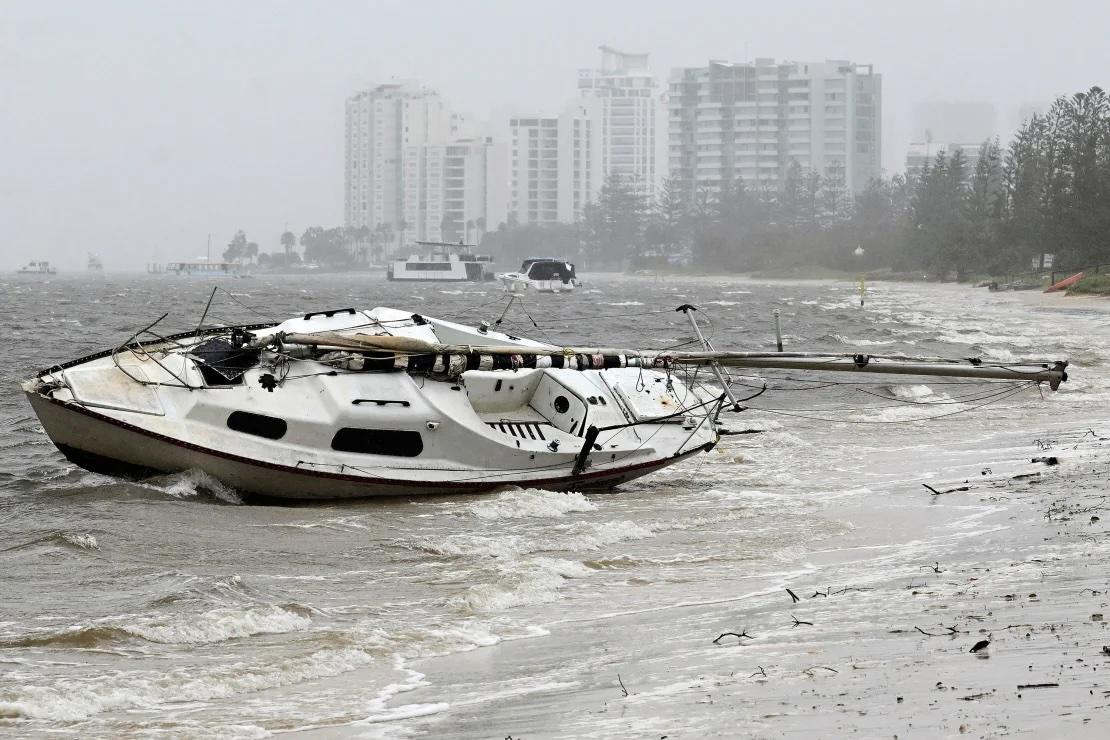
(Alfred Tropical Cyclone, March 2025 - AP News)
Due to the cyclone, over 1,000 school in Queensland and 280 schools in New South Wales were closed. Even after the storm subsided, 685 schools remained closed. Many businesses were forced to suspend operations due to power outages and flooding.
Thousands of people were evacuated before the cyclone made landfall. State authorities conducted search and rescue operations in the areas most severely affected. Emergency response teams rescued numerous individuals trapped by floodwaters in Hervey Bay. The ADF, State Emergency Service (SES) and police forces participated in rescue and cleanup operations.
The Australian government announced financial assistance for those affected by the cyclone. The Insurance Council of Australia reported that over 3,000 insurance claims had been lodged following the cyclone. Demand numbers are expected to increase as households complete their damage assessment processes.
The Alfred Tropical Cyclone is the first major tropical cyclone to reach Brisbane since 1974. It has been compared with Tropical Cyclone Tracy (1974) and Tropical Cyclone Jasper (2023).
Tropical Cyclone Tracy is regarded as the costliest cyclone in Australian history, causing damage equivalent to 7.4 billion Australian dollars in today’s value. Tropical Cyclone Jasper (2023) holds the record for the highest rainfall totals among cyclones and resulted in 10,500 insurance claims and total payouts of 409 million Australian dollars. Alfred caused extensive destruction in Brisbane and the Gold Coast due to its high rainfall levels and widespread power outages.

No Discussion Added Yet
Start discussion for "Alfred Tropical Cyclone (2025)" article
Meteorological Development
Formation and Intensification
Landfall and Movement
Impacts and Damage
Flooding and Rainfall Totals
Power Outages and Infrastructure Damage
Loss of Life and Injuries
School and Business Closures
Government and Emergency Response
Evacuations and Rescue Operations
Financial Assistance and Insurance Claims
Historical Context and Comparisons