

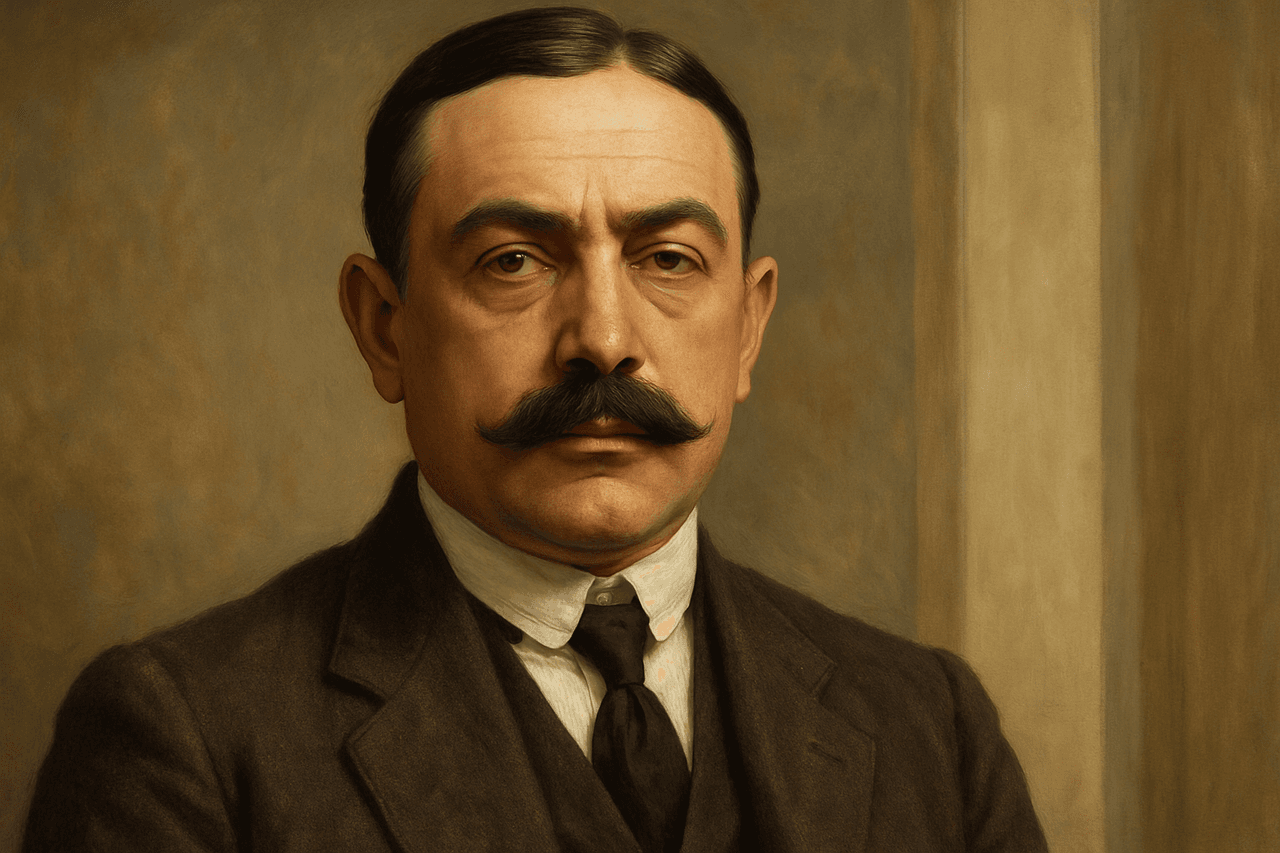

Generated by Artificial Intelligence.
Ali Rıza Ataman
Birth | 1884, Kağızman (Kars) | ||||||||
|---|---|---|---|---|---|---|---|---|---|
Death | 26 June 1955, Iğdır | ||||||||
Profession(s) | Politician Member of Parliament | ||||||||
Ali Rıza Ataman played a significant role in establishing national organizations in Kars and its surroundings and assumed key responsibilities in safeguarding the Turkish presence in the region during and after World War I. In 1921, he was elected as a deputy from Kars to the First Grand National Assembly of Türkiye.
Ali Rıza Ataman was born in 1884 in the Şahindere neighborhood of Kağızman district, Kars. His father, İsmail Bey, belonged to the Kelekçizâde family, one of the established families of Kağızman, and his mother was Sünbül Hanım. As the youngest of four siblings, Ali Rıza Bey received his early education in writing and religious studies at the Çarşı Cami Medresesi, known locally as the neighborhood school, before completing his studies at the Russian middle school in Kağızman. This period coincided with the years following the 93 War (1877–1878), during which the Elviye-i Selâse region was ceded to Russian administration. Russian authorities actively used Russian schools as a tool to consolidate their influence in the area.
During his childhood and youth, Ali Rıza Bey embraced the ideal of reuniting the region with Ottoman territory. Alongside his brothers and other patriots, he actively participated in establishing national organizations such as the Turkish Unity Society, the Defense Organization, the Society for the Dissemination of Education, and the Canbezâr Organization. He contributed to the Hilal-i Ahmer Society and organized relief campaigns for populations affected by the Balkan Wars, while also supporting initiatives for the construction of the Hejaz Railway.
During World War I, Russian authorities targeted leading figures of Turkish nationalist movements. On 11 November 1914, Ali Rıza Bey and his brothers were arrested and imprisoned in Kars Prison. They were subsequently held under harsh conditions in the prisons of Baku, Rostov, and Ryazan. Later, they were ordered to be exiled to Tomsk but were instead settled in the village of Togur. His exile ended with the general amnesty declared after the Bolshevik Revolution of 1917, after which Ali Rıza Bey returned to his homeland.
After returning from exile, Ali Rıza Bey assumed responsibility within the Kağızman branch of the Kars Secret Islamic Committee. He organized the local population to resist attacks by Armenian bands, conducting both defensive efforts and campaigns to inform world public opinion. He participated in the Kars Islamic Military Council Congress held on 30–31 January 1918 and collaborated with the Turkish army to form militia forces.
On 8 April 1918, the first liberation of Kağızman was achieved through the coordinated action of Ali Rıza Bey’s militia organization and the 36th Detachment of the 108th Caucasian Regiment. However, following the Armistice of Mudros, the region once again faced the threat of reoccupation. National organizations rapidly gained momentum, and on 5 November 1918, the Kars National Islamic Council was established. Ali Rıza Bey served as the representative of Kağızman in this body.
Ali Rıza Bey participated in the First and Second Kars Congresses and the Second Ardahan Congress between 1918 and 1919, playing an influential role in formulating decisions aimed at preserving the Turkish presence in the region. In the Southwestern Caucasus Government, established on 17–18 January 1919, he assumed the post of Minister of Interior.
On 13 April 1919, British occupation forces stormed the government building in Kars and arrested Ali Rıza Bey and other officials. Ali Rıza Bey was transported via Gumri, Tbilisi, and Batumi to Istanbul, then sent to Batumi for interrogation. There, he successfully escaped captivity and reached Erzurum. Following consultations in Erzurum, he was assigned the task of strengthening national organizations in Kağızman and its surroundings, where he established a national council center in Ortakale.
During the Turkish army’s advance in September 1920, Ali Rıza Bey led the militia forces in Kağızman and its surroundings and played a crucial role in the liberation of Kağızman on 1 October 1920.
After Kars rejoined the homeland, Ali Rıza Bey was elected as a deputy from Kars alongside Fahrettin and Cavit Bey in the subsequent elections. He began his duties as a member of the First Grand National Assembly of Türkiye on 15 October 1921 and actively participated in parliamentary sessions.
After completing his term as a deputy, Ali Rıza Bey returned to Kağızman and engaged in commerce. On 14 December 1933, he married Pakize Hanım and, in accordance with the Surname Law enacted in 1934, adopted the surname Ataman.
On 12 October 1946, he was honored with a certificate of merit by the Turkish Revolution History Institute for donating historical documents and artifacts. Ali Rıza Ataman died on 26 June 1955 in Iğdır following a heart attack and was buried with military honors in the Kağızman Cemetery.
Mehmet Sait Dilek. "Ali Rıza Ataman (1884–1955)", Atatürk Ansiklopedisi, Date Published: December 26, 2023. Accessed July 6, 2025. https://ataturkansiklopedisi.gov.tr/detay/1302/Ali-Rıza-Ataman-(1884-1955)

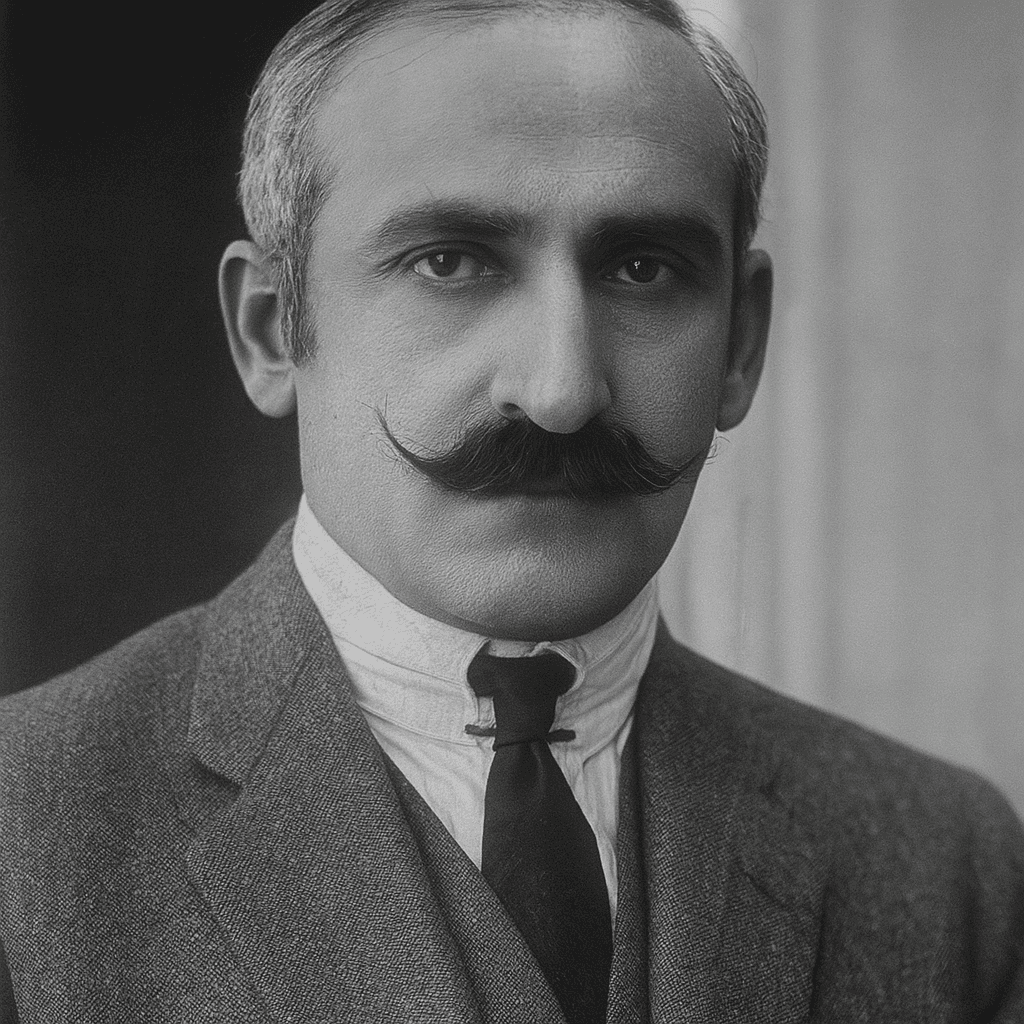
Generated by Artificial Intelligence.
Ali Rıza Ataman
Birth | 1884, Kağızman (Kars) | ||||||||
|---|---|---|---|---|---|---|---|---|---|
Death | 26 June 1955, Iğdır | ||||||||
Profession(s) | Politician Member of Parliament | ||||||||
Childhood and Education
National Organization and Exile Years
Activities of the Kars Secret Islamic Committee
Exile to Malta
National Struggle and Membership in the First Assembly
Post-Assembly Period and Death