+1 More

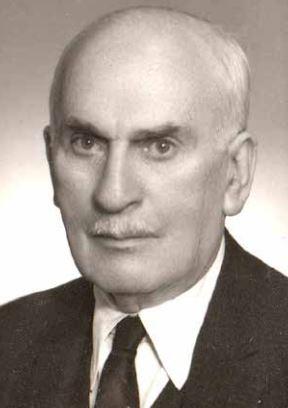
Ali Rıza Efendi (ACARA)
Birth | 1879, Nikazevli (Cevizli), Batum | ||||||||
|---|---|---|---|---|---|---|---|---|---|
Death | 11 August 1969, Ankara | ||||||||
Profession(s) | Lawyer Politician | ||||||||
Education | Medresetü’l-Kudât Istanbul | ||||||||
Term in the Grand National Assembly of Türkiye | Member of Parliament for Batum, 1st Term (1920) | ||||||||
Campaigns Participated In | Kocaeli and Gemlik Fronts | ||||||||
Awards Received | Independence Medal | ||||||||
Positions Held | Judgeship, Advocacy, Membership in the TBMM | ||||||||
Ali Rıza Efendi (Acara) was a lawyer and politician who was active in political and legal affairs during the final period of the Ottoman State and the early years of the Republic of Türkiye. Born in Batum, Ali Rıza Efendi lost his father, Jandarma Captain Dursun Efendi, when he was only six months old, and his mother, Ayşe Hanım, when he was three years old. He completed his primary education in local madrasas and continued his secondary and higher education at Medresetü’l-Kudât in Istanbul, an important institution that trained Ottoman judges.
During his studies, he lived in Istanbul with his elder brother Ahmed and traveled to Rumelia during Ramadan as a preacher, where he was warmly received by the public. He completed his education under difficult conditions, continuing his legal studies despite the backdrop of war and displacement.
In 1918, Ali Rıza Efendi returned to Batum and played an active role in the process of incorporating Elviye-i Selase (Kars, Ardahan, Batum) into Türkiye following the Treaty of Brest-Litovsk. He met with Enver and Talât Pashas during negotiations held in Istanbul in 1918 as the representative of Batum and was nominated as a parliamentary candidate. However, after the Armistice of Mudros, the withdrawal of Turkish forces from Batum led to British occupation. Ali Rıza Efendi opposed the Islamic Georgia movement in the region and participated in the establishment of the South-Western Caucasus Government, headquartered in Kars.
With the opening of the Grand National Assembly of Türkiye, he went to Ankara in 1920 as a deputy from Batum and served on the committees of Justice, Sharia, Foundations, and Foreign Affairs. He also fought on the Kocaeli and Gemlik fronts, was wounded in combat, and was awarded the Independence Medal.
The provision of the Treaty of Moscow (16 March 1921) that Batum would remain outside Türkiye deeply affected Ali Rıza Efendi. During this period, he defended the retention of Batum in speeches delivered in the Grand National Assembly, but political circumstances made this impossible. He subsequently withdrew from active politics and publicly explained his decision.
After leaving politics, Ali Rıza Efendi first engaged in agriculture in İzmit. In 1931, he was appointed as a judge at the Uşak Court. He resigned in 1935 and began practicing law at the General Directorate of Posts and Telegraphs in Ankara, continuing his legal practice independently after 1938. Ali Rıza Efendi retired in 1964 and passed away in Ankara on 11 August 1969.
Turan, Resul. "Ali Rıza Efendi (Acara) (1879–1969)." *Atatürk Ansiklopedisi*, December 26, 2024. Accessed July 6, 2025. https://ataturkansiklopedisi.gov.tr/detay/1266/Ali-Rıza-Efendi-(ACARA)-(1879-1969)

Ali Rıza Efendi (ACARA)
Birth | 1879, Nikazevli (Cevizli), Batum | ||||||||
|---|---|---|---|---|---|---|---|---|---|
Death | 11 August 1969, Ankara | ||||||||
Profession(s) | Lawyer Politician | ||||||||
Education | Medresetü’l-Kudât Istanbul | ||||||||
Term in the Grand National Assembly of Türkiye | Member of Parliament for Batum, 1st Term (1920) | ||||||||
Campaigns Participated In | Kocaeli and Gemlik Fronts | ||||||||
Awards Received | Independence Medal | ||||||||
Positions Held | Judgeship, Advocacy, Membership in the TBMM | ||||||||
No Discussion Added Yet
Start discussion for "Ali Rıza Efendi (ACARA)" article
Political Activities
The Loss of Batum and Withdrawal from Politics
Professional Life and Death