
https://ataturkansiklopedisi.gov.tr/detay/180/Ali-S%C3%A2ib-Ursava%C5%9F-(1885-1939)
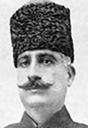
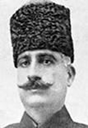
Ali Sâib Ursavaş was a Turkish soldier and politician whose life spanned a challenging journey from Tripolitania to Urfa, from the Ottoman Parliament to the Independence Tribunal. As one of the key figures of the National Struggle, he is particularly remembered for his leadership in liberating Urfa from French occupation. Ursavaş served as a member of the Grand National Assembly of Türkiye, was awarded the Independence Medal, and presided over the Independence Tribunal that tried the leaders of the Sheikh Said Rebellion. Although he faced political crises in later years, his role in the Turkish War of Independence retains its historical significance.
Ali Sâib Ursavaş was born in 1885 in Revandiz, Iraq. He graduated from the War School as a cavalry officer and enrolled in the War Academy in 1905. For his achievements in the Tripolitanian and Balkan Wars, he received the Medal of Mejidie and various military decorations. He was promoted to captain in 1917 and to major in 1924. He met Mustafa Kemal in Tripolitania. In Deyrizor, he established authority over local tribes to limit British influence and achieved success against Lawrence.
After the Armistice of Mudros, Ali Sâib moved to the Adana region. While serving in Kozan under French occupation, he initially maintained a close relationship with the French to gain their trust but later switched sides by establishing contact with the Kuva-yı Milliye. He organized resistance in Urfa against French violence and their policy of arming Armenians. The armed resistance he launched at the end of January 1920 forced the French to withdraw from Urfa on 10 April 1920. In recognition of this success, Atatürk granted him the surname “Ursavaş.” In the same year, he joined the Grand National Assembly as a deputy from Urfa.
He served as a deputy from Urfa in the First Parliament. He was a member of the Committees on Interior Affairs, National Defense, Justice, and Public Works. He served as a member of the Konya Independence Tribunal and presided over the Eastern Independence Tribunal that tried the Sheikh Said Rebellion from 1926 to 1927. During his tenure as a deputy, he submitted numerous legislative proposals and delivered speeches.
In 1935, he was associated with an alleged assassination attempt against Atatürk. His parliamentary immunity was lifted, he was tried, and acquitted. However, his relationship with Atatürk ended. He compiled his memoirs in a book titled “Kilikya Factions and the Liberation of Urfa.”
Ali Sâib Ursavaş died on 26 September 1939 in the Kadirli district of Adana. He remains one of the prominent figures in the history of Urfa and the Turkish War of Independence. A recipient of the Independence Medal, his name has been given to educational institutions as well as streets and avenues.
https://ataturkansiklopedisi.gov.tr/detay/180/Ali-S%C3%A2ib-Ursava%C5%9F-(1885-1939)
Early Life and Military Career
National Struggle and the Liberation of Urfa
Roles in the Grand National Assembly and Judicial Activities
Assassination Allegations and Political Downfall
Death and Legacy