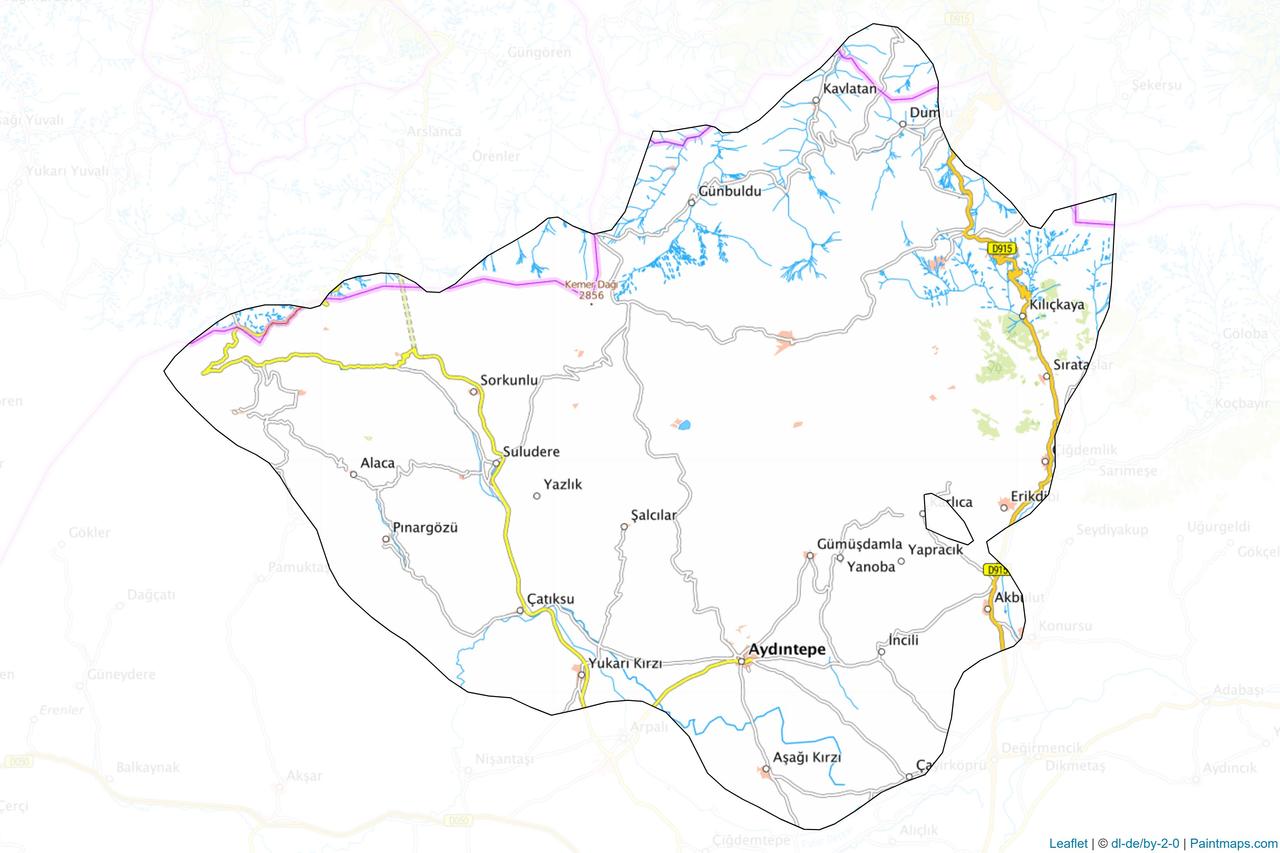


This article was automatically translated from the original Turkish version.
+1 More
Province İt Belongs to | Bayburt | ||||||||
|---|---|---|---|---|---|---|---|---|---|
Population | 6.388 | ||||||||
Area(s) | 473 km² | ||||||||
Elevation(s) | 1.650 metre | ||||||||
District Governor | Abdulkadir NAR | ||||||||
Mayor(s) | Haşim ŞENTÜRK | ||||||||
Number of Neighborhoods | 4 | ||||||||
Number of Villages | 23 | ||||||||
Distance to City Center | 24 km | ||||||||
Aydıntepe is one of the two districts of Bayburt province in Türkiye’s Eastern Black Sea region. Located at 40 degrees 24 minutes north latitude and 40 degrees 10 minutes east longitude, the district is bordered by Bayburt province to the east and south, Trabzon to the north, and Gümüşhane to the west. The district lies at an elevation of 1,650 meters above sea level and covers an area of 473 km² (excluding lakes). It is 24 km from Bayburt provincial center, 180 km from Trabzon, and 80 km from Gümüşhane. According to 2024 TÜİK data, its population is 6,388.
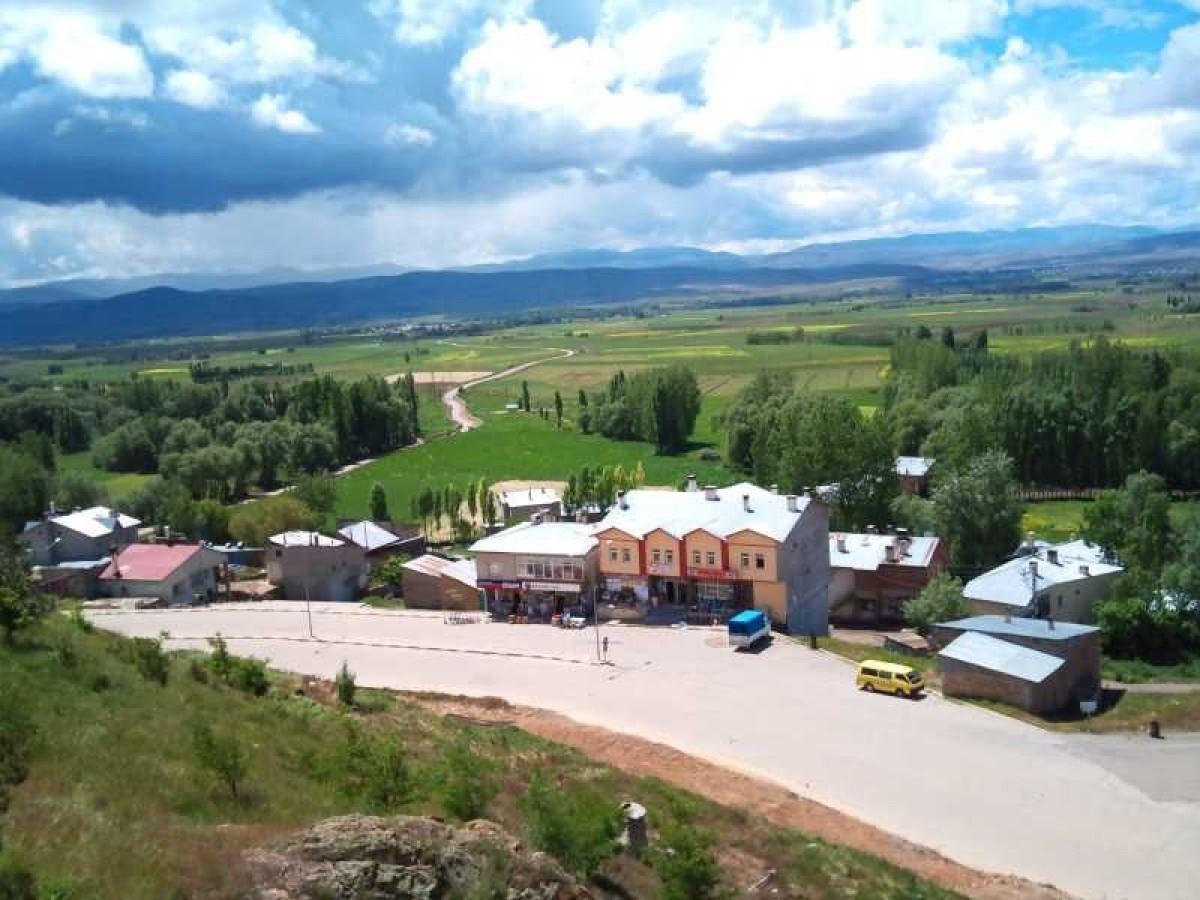
Aydıntepe District (Aydıntepe Municipality)
Aydıntepe is situated on a slope where the Soğanlı Mountains, a section of the North Anatolian Range that forms the natural boundary between Trabzon and Bayburt provinces, meet the Aydıntepe Plain to the north. Due to continental climate influences and environmental degradation, the Soğanlı Mountains are largely devoid of forest cover. These mountains, with their extensive pastures, are suitable for highland tourism and hunting. The natural vegetation consists of late-drying meadows, grasslands, and steppe areas.
The Eastern Anatolian climate dominates the district; winters are cold and snowy while summers are dry and hot. On the northern slopes of the Soğanlı Mountains, which reach up to 2,750 meters, characteristics of the Black Sea climate are observed. Numerous streams, tributaries of the Çoruh River, flow through the district’s territory. The largest of these is the Çoruh Stream, which runs east-west and divides the Aydıntepe Plain. Other significant streams include Çatıksu, Sorkunlu, Gümüşdamla, and Sırataşlar, all of which maintain water flow throughout the year, with increased volume particularly during spring and autumn.
The district’s most important agricultural area is the Aydıntepe Plain, which lies at an elevation of 1,450 to 1,550 meters. Additionally, small but arable flatlands exist along valleys and stream banks. Winds generally blow from the Soğanlı Mountains toward the Çoruh River valley. The region is affected by local winds known as “Balkar.” The Aydıntepe Plain is also exposed to winds coming from the east.
The history of Aydıntepe is closely intertwined with that of Bayburt. According to available sources, its establishment as a settlement is as ancient as Bayburt itself. Throughout history, the region has been home to numerous civilizations. The earliest known inhabitants of the area were the Haldians. References in Hittite sources to Dukamma, located near present-day Bayburt, indicate that Aydıntepe and its surroundings were under Hittite control between 3000 and 2500 BCE.
Throughout history, the district and its environs were ruled by the Urartians, Scythians, Romans, Persians, and Byzantines. After the Battle of Manzikert in 1071, the region came under Turkish control and remained under the rule of the Saltukids and, at times, the Danişmendids between 1072 and 1202. In 1202, the Seljuks ended the Saltukid state and incorporated Bayburt and its surroundings into their territory. Subsequently, the region came under the administration of the Ilkhanids, the Akkoyunlus, and the Safavids. After the Battle of Chaldiran in 1514, it became part of the Ottoman Empire.
Between 1916 and 1918, the district suffered Russian occupation and accompanying Armenian attacks. It returned to Turkish control on 21 February 1918 following the withdrawal of occupiers. During the Ottoman period, Aydıntepe was a subdistrict (nahiye) under the Bayburt kazas, known as “Hart.” After the proclamation of the Republic, it became a bucak center. In 1957, a municipal administration was established and its name was changed to “Aydıntepe.” In 1987, Aydıntepe attained district status, initially attached to Gümüşhane and then to Bayburt in 1989. The district governorship (kaymakamlık) was established in 1988.
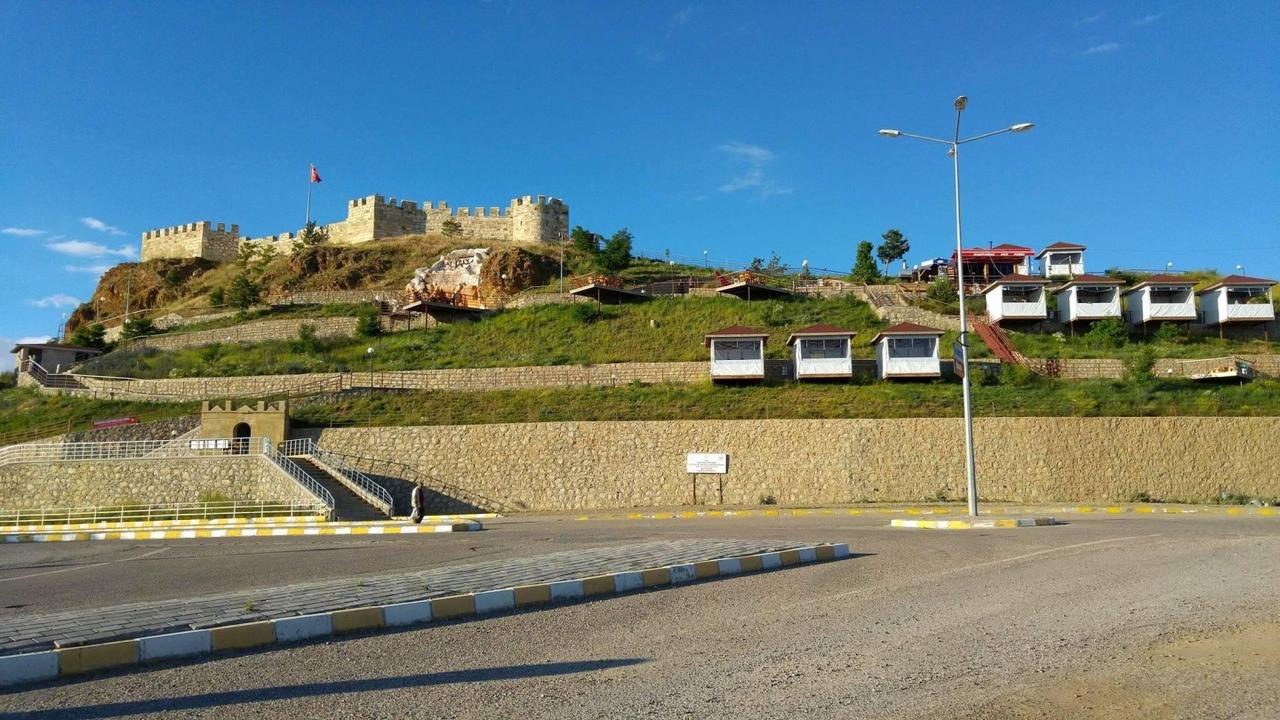
Aydıntepe Castle (Aydıntepe Municipality)
The economic structure of Aydıntepe has changed very little historically. There has been no significant development in trade or industry, and the district’s economy remains primarily based on agriculture and animal husbandry. Crop production focuses mainly on cereals, forage plants, and sugar beet, with minor cultivation of vegetables and fruits. The district’s vegetable needs are largely met through imports.
Animal husbandry is the main source of livelihood. Due to the suitability of natural terrain for grazing, pastoralism is predominant; in recent years, there has also been growth in fattening livestock operations. Breeding programs for dairy cattle are ongoing, and the number of families engaged in beekeeping in both the center and villages has increased. The district produces a notable quantity of honey.
One of Aydıntepe’s most significant historical and archaeological assets is the underground city located in the district center. Constructed by carving into a tuff rock layer, the city lies 2 to 2.5 meters below the surface and was built without any additional building materials. The underground city consists of vaulted rooms, corridors, and larger chambers opening from these corridors. The corridors are approximately one meter wide and 2 to 2.5 meters high, with occasional widenings on both sides. Rooms, ranging from 3 to 8 square meters in size and each covered by a vault, open into the main corridors. Conical holes for observation and ventilation, as well as small niches carved into the walls, were used for lighting.
Although definitive information about the history of the underground city is lacking, it is believed to have belonged to the ancient settlement known as Halde. It has also been suggested that the former name of Aydıntepe, “Hart,” may derive from the word “Hald.” Additionally, the discovery of a tomb dated to the late Roman and early Byzantine periods has led to the theory that the underground city was used as a refuge by early Christians. Scientific evidence supports the view that the settlement was occupied from the late Roman period through the early Christian era.

Aydıntepe Underground City (Aydıntepe Municipality)
Aydıntepe Belediyesi. Ekonomi. Accessed August 16, 2025. https://www.aydintepe.bel.tr/sayfa/ekonomi
Aydıntepe District Governorship. History. Accessed August 16, 2025. http://www.aydintepe.gov.tr/tarihce
Aydıntepe District Governorship. Local Administrations. Accessed August 16, 2025. http://www.aydintepe.gov.tr/mahalli-idareler
Aydıntepe Kaymakamlığı. Coğrafya. Accessed August 16, 2025. http://www.aydintepe.gov.tr/cografya
Aydıntepe Municipality. Photos. Accessed August 16, 2025. https://www.aydintepe.bel.tr/fotograflar
Aydıntepe Municipality. Yeraltı Şehri. Accessed August 16, 2025. https://www.aydintepe.bel.tr/sayfa/yeralti-sehri
Ministry of Culture and Tourism. Aydıntepe Underground City. Accessed August 16, 2025. https://www.kulturportali.gov.tr/turkiye/bayburt/gezilecekyer/aydintepe-yer-alti-sehri
Paintmaps. "Türkiye Harita Aracı." Paintmaps. Accessed August 16, 2025. https://tools.paintmaps.com/tr/harita-kirpma/TR/4-890461621
Türkiye Statistical Institute (TÜİK). "Adrese Dayalı Nüfus Kayıt Sistemi Sonuçları, 2024." Publication No: 53783. Accessed August 16, 2025. https://data.tuik.gov.tr/Bulten/Index?p=Adrese-Dayali-Nufus-Kayit-Sistemi-Sonuclari-2024-53783

Province İt Belongs to | Bayburt | ||||||||
|---|---|---|---|---|---|---|---|---|---|
Population | 6.388 | ||||||||
Area(s) | 473 km² | ||||||||
Elevation(s) | 1.650 metre | ||||||||
District Governor | Abdulkadir NAR | ||||||||
Mayor(s) | Haşim ŞENTÜRK | ||||||||
Number of Neighborhoods | 4 | ||||||||
Number of Villages | 23 | ||||||||
Distance to City Center | 24 km | ||||||||
No Discussion Added Yet
Start discussion for "Aydıntepe (District)" article
Geography and Landforms
History
Economy
Aydıntepe Underground City