


Ayrton Senna
Doğum tarihi | 1960-03-21 | ||||||||
|---|---|---|---|---|---|---|---|---|---|
Eş | Lilian de Vasconcelos Souza (1981–1982) | ||||||||
Ölüm tarihi | 1994-05-01 | ||||||||
Championship Years | 1991 1990 1988 | ||||||||
Senna was born into a wealthy family in São Paulo. At the age of four, he discovered his passion for racing with a small go-kart given to him by his father. At thirteen, he entered and won his first karting race.
In 1981, he moved to England to begin single-seater racing and won five championships within three years. During this period, he separated from his wife, whom he had married at a young age, abandoned his family’s expectations in the business world, and devoted himself entirely to his racing career.
In 1984, he entered Formula 1 with the Toleman team. That same year, during the Monaco Grand Prix, he attracted attention by finishing second behind Alain Prost in heavy rain.

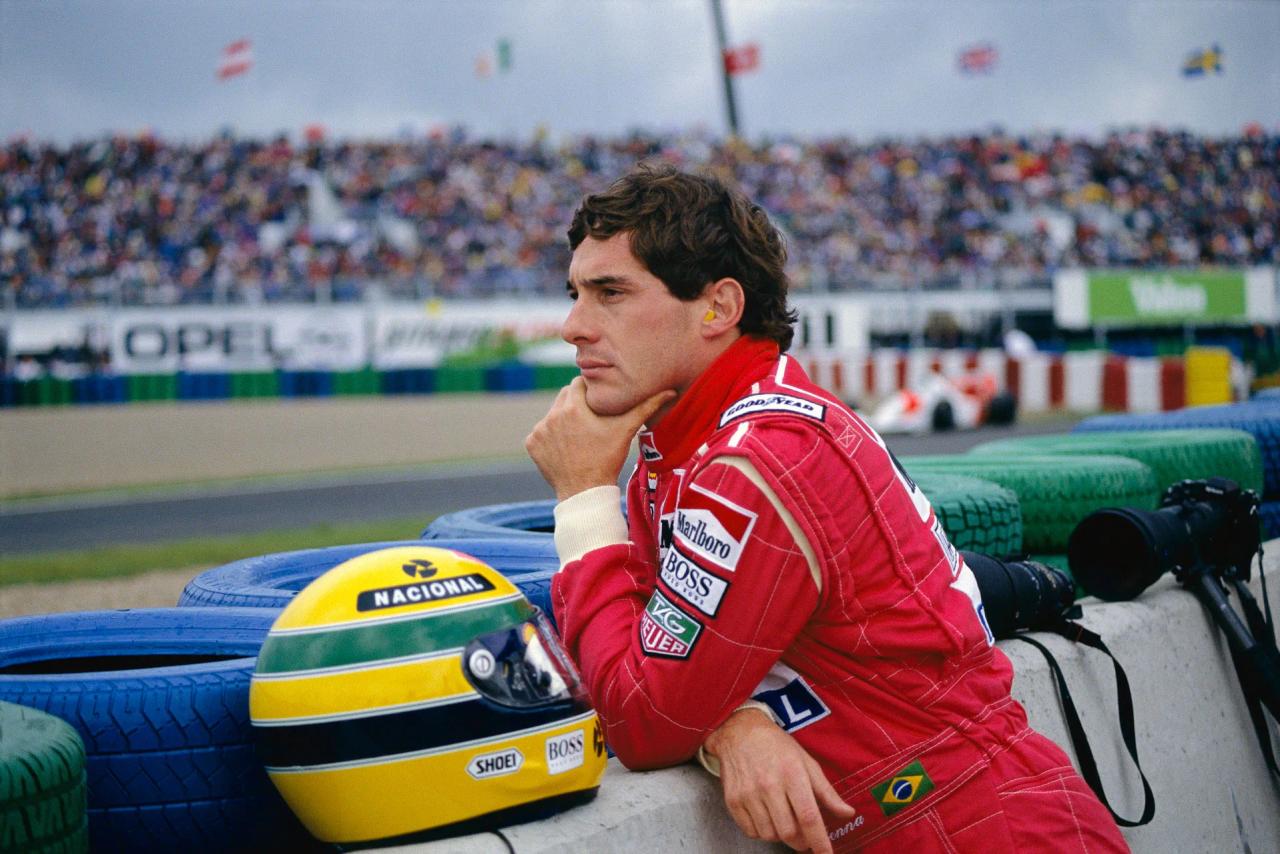
Senna securing pole position and victory at the 1991 Monaco Grand Prix with McLaren. (
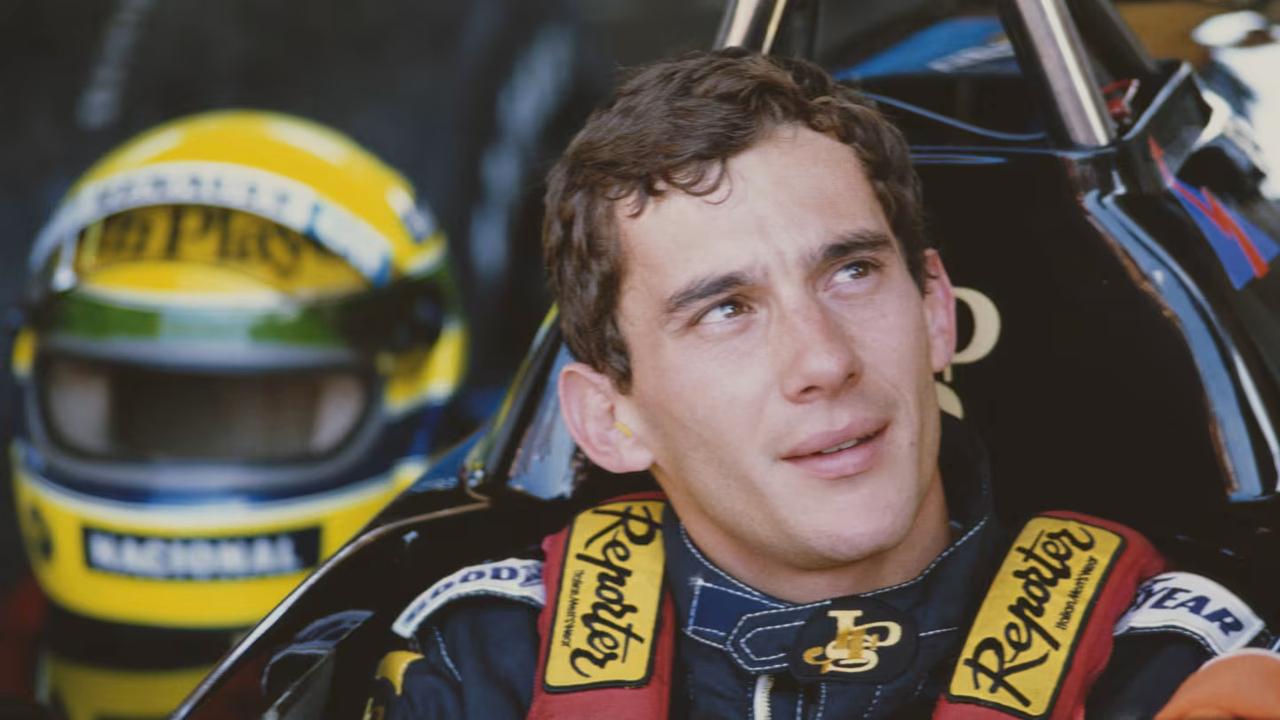
Believing that Toleman’s limited resources could not meet his ambitions, Senna moved to Lotus in 1985. Over three seasons, he secured 16 pole positions and won six races. In 1988, he joined the McLaren team, where over six seasons he achieved 35 race victories and three world championships (1988, 1990, 1991).

Senna during the 1984 Monaco Grand Prix, which was halted due to rain. (
During the 1988 season, the McLaren-Honda team won 15 of the 16 races; Senna claimed eight victories and his teammate Alain Prost won seven. This period marked the beginning of intense rivalry between Senna and Prost. In 1989, Prost won the championship after a collision with Senna at Suzuka. In 1990, Senna claimed his second title by pushing Prost off the track at the first corner of the same circuit. In 1991, he secured his third championship with a more consistent performance.
In 1994, Senna joined the Williams team. During the third race of the season, the San Marino Grand Prix, he lost his life after crashing into a concrete barrier at the Tamburello corner while leading the race. This tragedy prompted a comprehensive reassessment and improvement of safety standards in Formula 1.
Senna was known not only for his on-track achievements but also for his profound thoughts and humanistic character. He was driven by a constant desire for self-improvement and viewed racing as a means of personal discovery.
During the 1988 Monaco Grand Prix, despite securing pole position, he continuously improved his lap times until he admitted that the experience frightened him. Senna emphasized that pushing the limits of racing also revealed the fragility of human beings.
He also spearheaded the creation of the Ayrton Senna Institute to help underprivileged children in Brazil. The organization aims to empower children through education and unlock their potential.
Ayrton Senna left an indelible mark on Formula 1 history not only through his three world championships and 41 Grand Prix victories but also through his deep intellectual outlook, human values, and sense of social responsibility. His legacy continues to live on through both his performances on the track and his contributions to society.
Formula 1. "Drivers’ Hall of Fame: Ayrton Senna." *Formula1.com*. Accessed May 5, 2025. https://www.formula1.com/en/information/drivers-hall-of-fame-ayrton-senna.FLD7ZtO0nUn7JzLEn5rOJ
McLaren. “How Good Actually Was Ayrton Senna? (Hint: Exceptionally).” McLaren.com. Accessed May 5, 2025. https://www.mclaren.com/racing/heritage/formula-1/drivers/ayrton-senna/how-good-actually-was-ayrton-senna-hint-exceptionally/
Motorsport.com. "F1'in Efsanesi: Ayrton Senna da Silva." *Motorsport.com Türkiye*. Accessed May 5, 2025. https://tr.motorsport.com/f1/news/f1in-efsanesi-ayrton-senna-da-silva/5826633/.

Ayrton Senna
Doğum tarihi | 1960-03-21 | ||||||||
|---|---|---|---|---|---|---|---|---|---|
Eş | Lilian de Vasconcelos Souza (1981–1982) | ||||||||
Ölüm tarihi | 1994-05-01 | ||||||||
Championship Years | 1991 1990 1988 | ||||||||
Formula 1 Career
Lotus and McLaren Era
Williams and Tragic Accident
Personality and Legacy