


This article was automatically translated from the original Turkish version.
+2 More
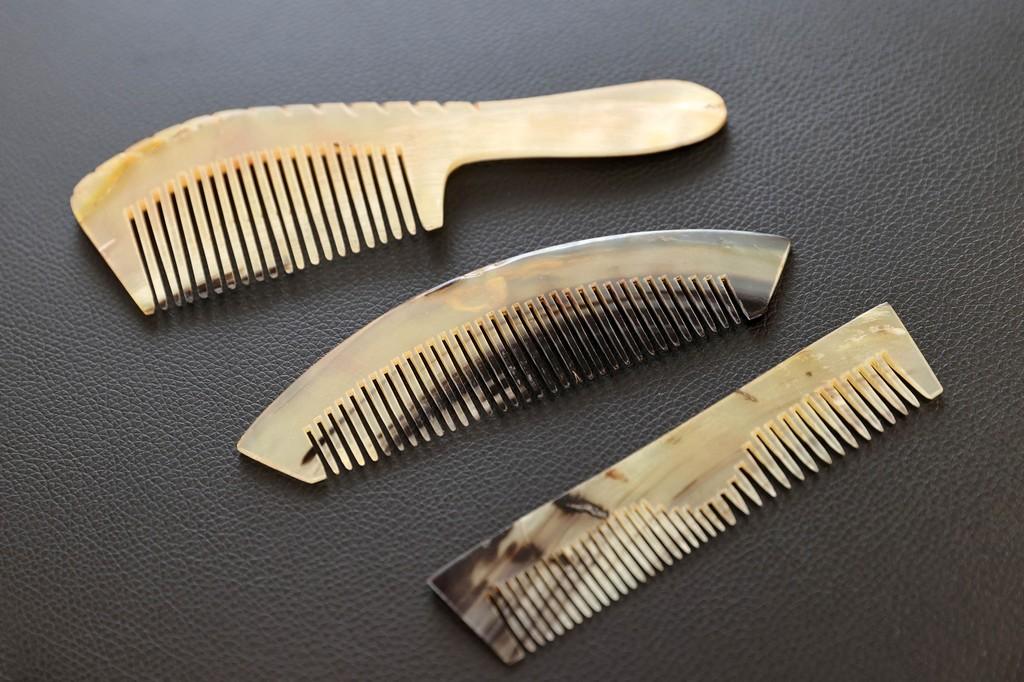
Bone combing is the art of making combs from animal horns. The bone comb, among the important traditional crafts of Sivas and passed down through generations as a valued heritage, is a significant part of our cultural legacy. Since it is made from horn, the bone comb possesses a natural structure and exhibits properties compatible with the human body.
The bone comb from Sivas has been granted a geographical indication certificate by the Turkish Patent and Trademark Office (TÜRKPATENT). This registration confirms that the Sivas bone comb is an officially recognized and protected cultural value.
Bone Comb (Republic of Türkiye Sivas Governorate)
The comb has been used since the earliest periods of human history. According to legend, the first comb was crafted by one of the consorts of the Yellow Emperor (2717–2599 BCE) in the shape of a fish spine. The comb has a history dating back 6,000 years.
Archaeological findings from antiquity provide concrete evidence of comb usage in ancient Egypt, Rome, and India. In Indo-European languages, the word “comb” is derived from the terms GOMBHOS or GOMFOS, which mean “tooth.” In Turkish, the root of the word “tarım” (agriculture) evolved from “taramak” (to comb).
Early humans, who had little contact with water, used tree branches to clean their hair and later adopted simple bone-like objects due to their water resistance. In prehistoric periods, jewelry and ornaments were primarily made from horn and bone. These materials were preferred because they were easily obtainable and easily workable in nature.
In the Ottoman Empire, the comb was an indispensable item and stood out most prominently among personal grooming tools. Combs for hair were also made from bone. By the first half of the 18th century, they were as common as they are today. Combs were used not only for hair but also for beards and mustaches.
Although the exact time when bone comb production began in Sivas is unknown, it has a history spanning centuries. Until 50 years ago, when industrial production of plastic combs began, comb-making was a traditional craft practiced locally.
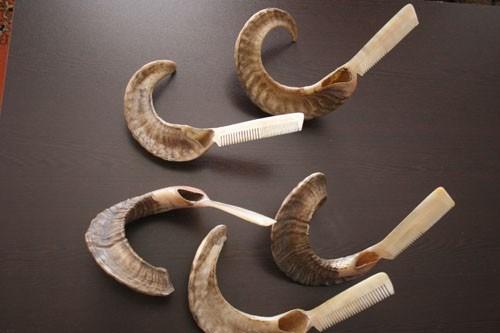
Bone Comb (Republic of Türkiye Sivas Governorate)
In bone comb production, horn from large and small livestock is used as the raw material. Typically, horn from bull, ox, buffalo, and ram is preferred. Horn serves as the primary raw material for bone combs and is easily recyclable.
Raw material supply is achieved by collecting horns after small livestock are slaughtered. The collected horns are left to dry for approximately four years. After drying, they are cut into shapes suitable for comb production.
Previously, buffalo horn was sourced locally, but as demand increased, it began to be imported from distant provinces. Today, difficulties in sourcing raw materials are among the reasons the craft faces the threat of extinction.
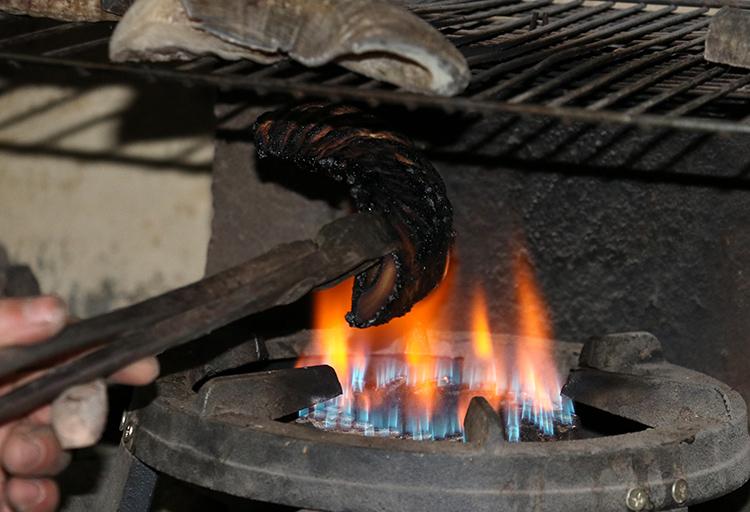
Bone Comb (Anadolu Agency)
The production of bone combs is a long and labor-intensive process. The stages are as follows:
The shape is given to the horn, but the pattern emerges naturally. Each product is unique; it is impossible to predict exactly what pattern will emerge until the final stage. Artisans express this as follows: “Nature presents us with what it offers, and we use it. Even we cannot precisely predict what pattern will emerge until the final stage. When something unexpected appears, it brings a special pleasure and joy.”
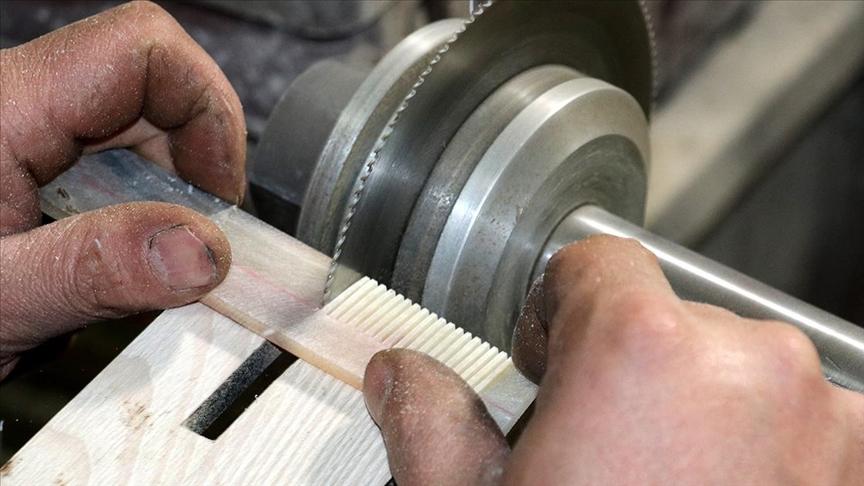
Bone Comb (Anadolu Agency )
The varieties of bone combs include:
Women’s Combs:
Men’s Combs:
Combs Used for Ornamental Purposes:
Other items made from horn besides bone combs:
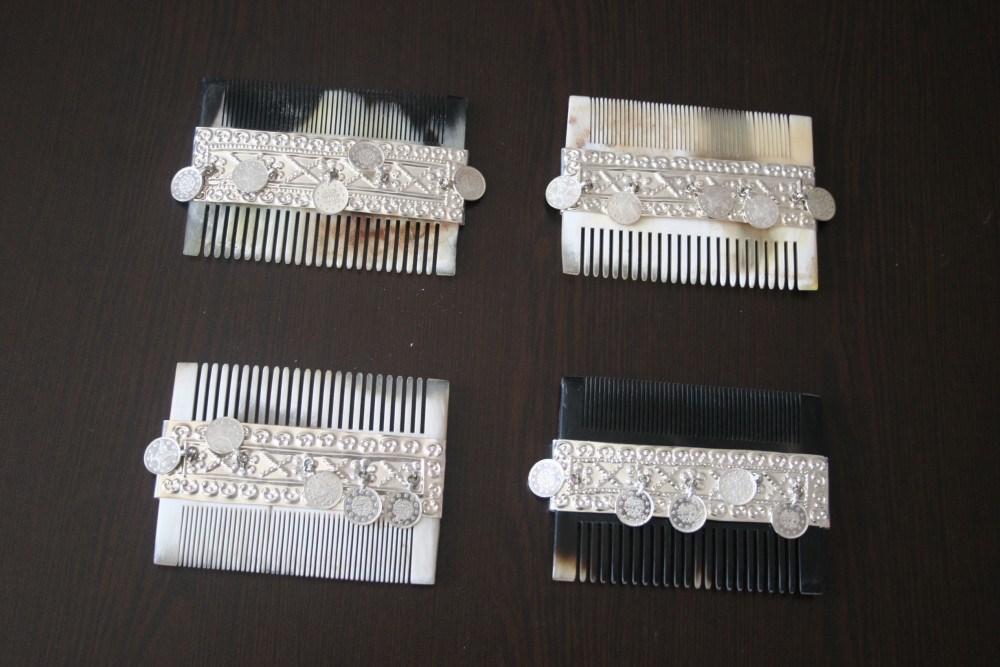
Bone Comb (Republic of Türkiye Sivas Governorate)
Bone combs possess beneficial properties for human health:
It is a well-known and widely acknowledged fact among users and artisans that bone combs do not electrify or damage hair and effectively remove dandruff. In today’s era, where natural products are recommended, the use of combs made from bone or wood is preferred over plastic ones.
The Sivas Bone Comb has been granted a geographical indication certificate by the Turkish Patent and Trademark Office (TÜRKPATENT). The Sivas Provincial Directorate of Culture and Tourism submitted the registration application on 19.01.2022, bringing the total number of registered products from Sivas to 21, including the bone comb.
The importance of geographical indication registration is explained as follows:
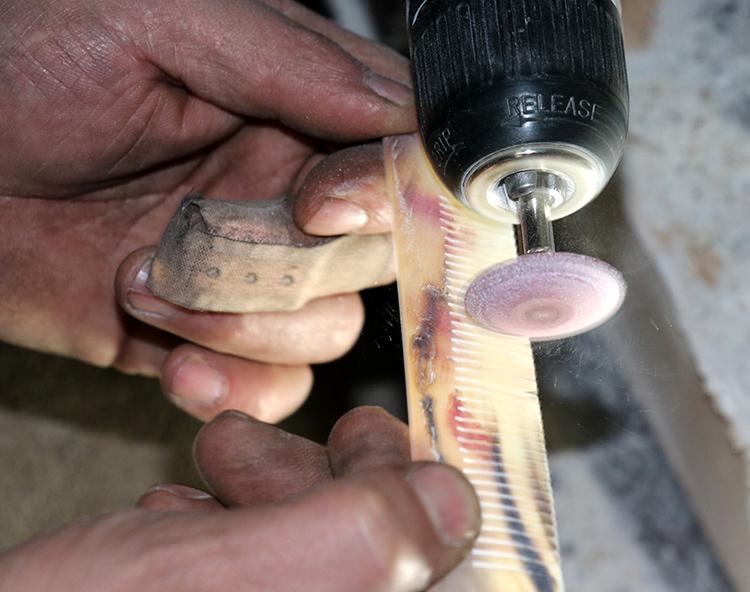
Bone Comb (Anadolu Agency)
In Sivas, bone combing is a craft on the verge of disappearing. Today, only a limited number of artisans continue this art. Once widely used in various forms, the traditional handmade bone comb has declined due to the increasing production of combs made from other materials and through industrial methods. This craft is gradually joining the ranks of vanishing traditional arts.
The reasons for the threat of extinction of this profession are:

History
Raw Materials and Supply
Manufacturing Process
Product Varieties
Health Benefits
Geographical Indication Registration
Current Status