


This article was automatically translated from the original Turkish version.
+1 More
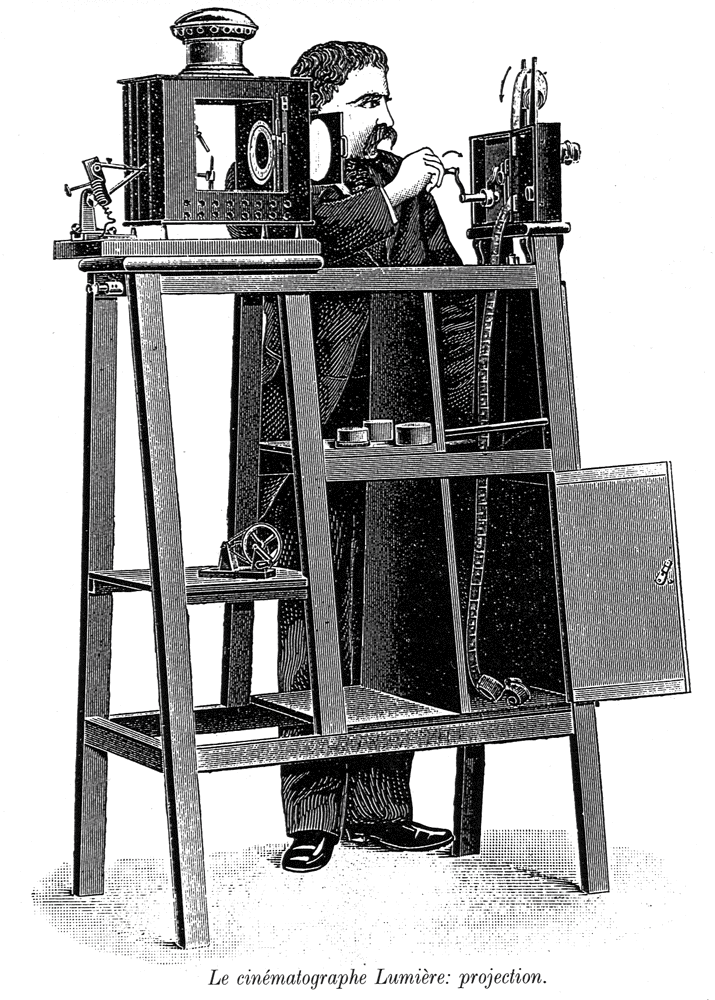
Although “cinematic” devices did not exist in the modern sense during the Middle Ages, certain optical devices were used for performance and entertainment purposes. These technologies reflected human interest in visual illusions by combining science and art. During the Middle Era and later the Renaissance period, particularly the magic lantern (laterna magica) and magic boxes emerged as captivating optical display devices. These instruments created early period cinematic effects through the manipulation of light and images.
Magic lantern was one of the most advanced projection devices developed in the late Middle Ages and the Renaissance. The earliest versions appeared in the 15th century but were refined significantly by the 17th century. This device used a candle or oil lamp as a light source; the light passed through a lens system to project images from glass glass slides onto a wall or screen. Hand-painted or drawn images on glass slides were used to tell stories or present visual spectacles.
Another important optical vehicle used during the Middle Ages was the camera obscura (darkness room). The camera obscura operated on the principle that light passing through a small hole or lens would project an inverted image of the outside world onto the wall of a darkened room. This principle helped explain the fundamental relationship between light and image that underpins cinema and photography.
The development of the magic lantern up to the 18th century paved the way for the emergence of performances known as fantasmagoria. These were theatrical performances that used the magic lantern to create eerie, fear filled scenes. Ghosts, demons and other supernatural entities were projected onto screens to evoke fear and wonder among audiences. Smoke and mist like were used as special effects to enhance the impact of the lantern’s projections.
Although these devices in the Middle Ages did not directly contribute to the origins of cinematic technology, they later served as sources of inspiration for the development of cinematography and optical illusions. During the 17th and 18th centuries, such instruments became more sophisticated and eventually played a role in the inventions that triggered the birth of photograph and cinema.
The optical devices used in the Middle Ages and the Renaissance, such as the magic lantern and camera obscura, emerged as early tools for visual displays and illusions. Despite operating on simple principles based on light and image projection, these instruments laid the foundations of modern cinematography and created compelling spectacles that captured public imagination.
Mannoni, L., Carrière, D., & Neupert, R. J. (2000). The Great Art of Light and Shadow: Archaeology of the Cinema. University of Exeter Press.

No Discussion Added Yet
Start discussion for "Cinematographic Instruments in the Middle Ages" article
Magic Lantern (Laterna Magica):
Camera Obscura:
Fantasmagoria Shows:
Post-Medieval Influences:
Conclusion: