


+2 More

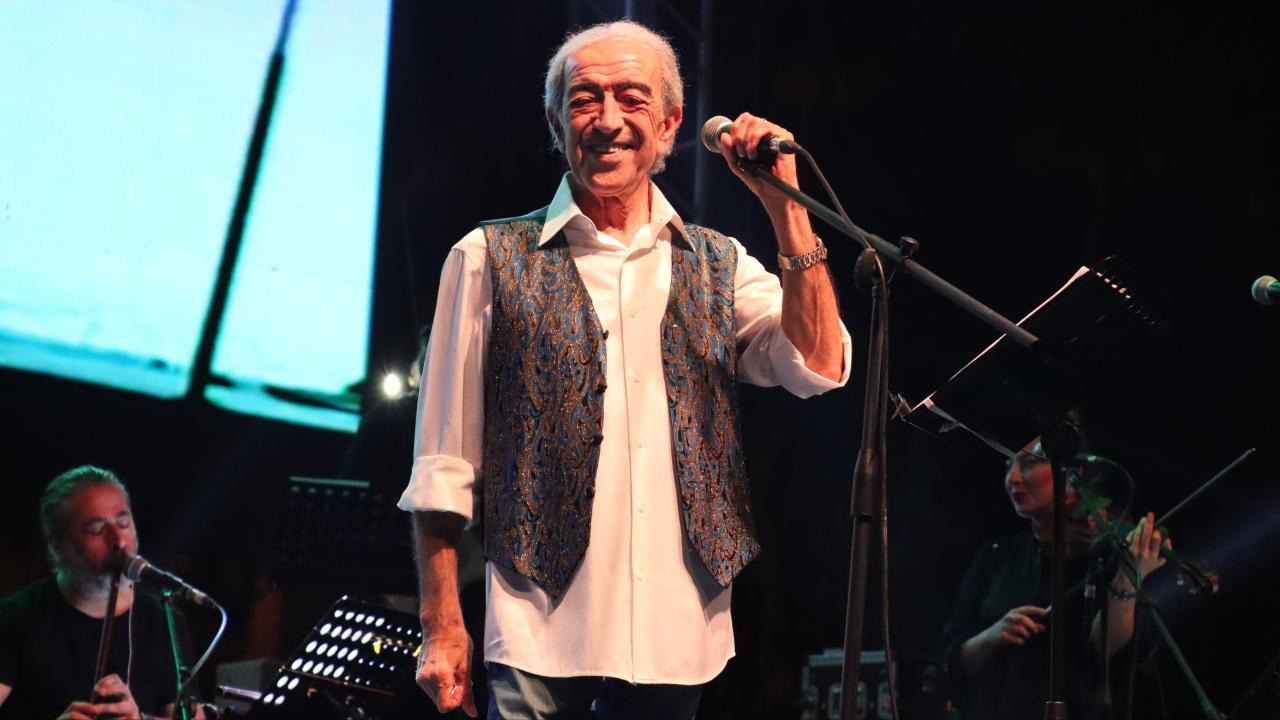
Edip Akbayram
Child | Ozan Akbayram Türkü Akbayram | ||||||||
|---|---|---|---|---|---|---|---|---|---|
Spouse(s) | Ayten Akbayram | ||||||||
Place of Death | Istanbul, Turkey | ||||||||
Date of Death | March 2, 2025 | ||||||||
Place of Birth | Gaziantep, Turkey | ||||||||
Date of Birth | December 29, 1950 | ||||||||
Edip Akbayram was a Turkish musician and singer. He produced works in the genres of Anatolian pop and contemporary folk music, known for blending traditional folk music with modern elements. Throughout his artistic career, he created works addressing social issues and received numerous awards. On March 2, 2025, he passed away at the age of 75 due to multiple organ failure.
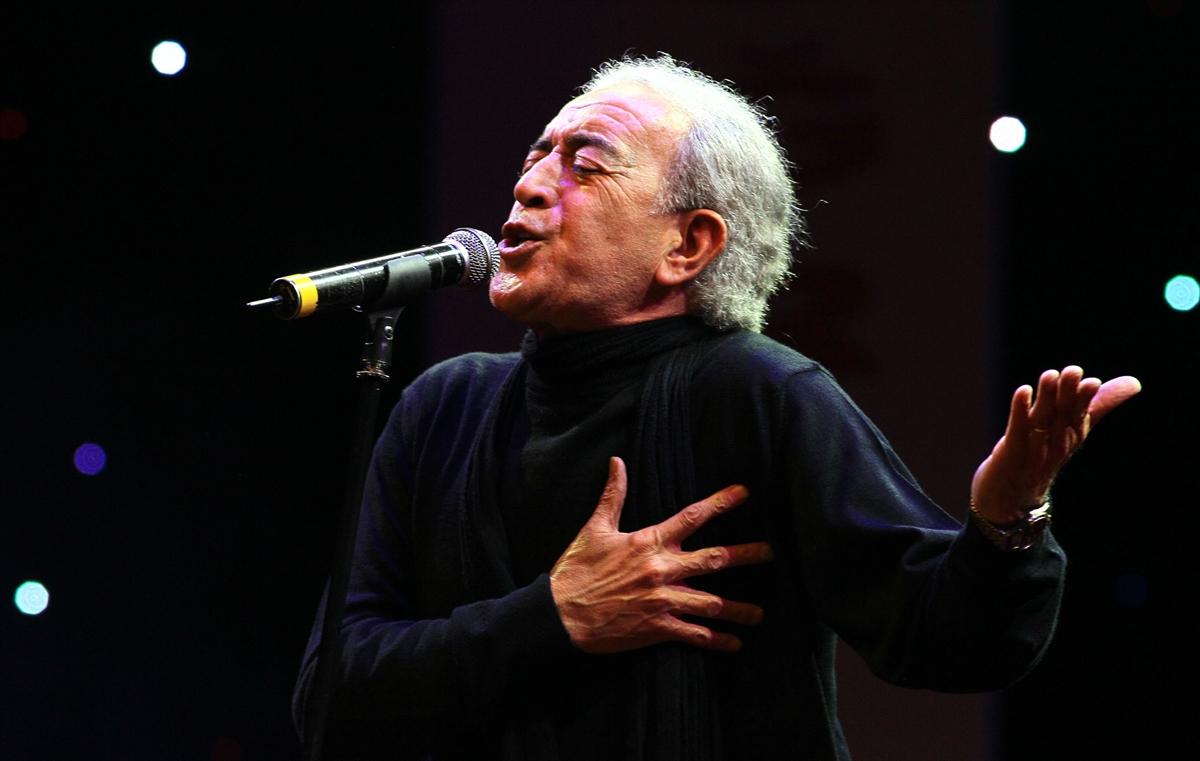
Edip Akbayram - Anadolu Agency
Edip Akbayram was born on December 29, 1950, in Gaziantep. He contracted polio at nine months old, which led to a challenging childhood. He graduated from Şahinbey Atatürk High School. During his high school years, he developed an interest in music and formed an orchestra with his friends. He composed melodies based on the verses of folk poets such as Karacaoğlan and Pir Sultan Abdal, gaining early stage experience.
After completing high school, he moved to Istanbul and was admitted to Istanbul University’s Faculty of Dentistry. However, he decided to focus on his music career and left his studies unfinished.
Edip Akbayram began his professional music career in 1968 with the band he founded, Siyah Örümcekler (Black Spiders). He performed the song Kendim Ettim Kendim Buldum, which was later featured on his first record, during his high school years. Starting his musical journey in Gaziantep, he continued in Adana, where he gained stage experience.
In 1971, he participated in the Altın Mikrofon (Golden Microphone) contest and won first place with Kükredi Çimenler, a song he composed inspired by a poem by Aşık Veysel. In 1974, he formed Dostlar Orkestrası, combining folk music with modern forms to reach a broader audience. His songs such as Kara Kuzu, Deniz Üstü Köpürür, Garip, Aldırma Gönül, and Eşkıya Dünyaya Hükümdar Olmaz gained significant popularity.
Edip Akbayram - Çeşmi Siyahım (Live Performance), Anıl Kıyak - YouTube
Following the 1980 military coup, his music was banned. From 1981 to 1988, his compositions were not played on Turkish Radio and Television (TRT). During this period, he continued performing but struggled to gain media coverage.
In the 1990s, he attracted attention again with the release of his album Türküler Yanmaz. This album, released in 1993, was dedicated to the victims of the Sivas Massacre. The album featured compositions based on poems by Can Yücel, Ahmed Arif, Oktay Rifat, and Vedat Türkali.
Throughout his career, he received around 250 awards, including the prestigious Altın Plak (Golden Record). He performed concerts across various regions of Türkiye, reaching a wide audience.
At the beginning of 2025, he was diagnosed with pneumonia and hospitalized but was later discharged. On January 9, 2025, he suffered an internal hemorrhage after falling at home and was re-hospitalized. He was placed in intensive care at Haydarpaşa Numune Training and Research Hospital, where he underwent two surgeries. On March 2, 2025, he passed away at the age of 75 due to multiple organ failure.
With his contributions to Anatolian pop and contemporary folk music, Edip Akbayram is regarded as one of the most significant figures in Turkish music history. Alongside artists like Cem Karaca and Selda Bağcan, he is considered one of the pioneers of Anatolian rock music.
Anadolu Ajansı. "Türk Müziğinin Usta İsmi Edip Akbayram Hayatını Kaybetti." Anadolu Ajansı, 2 Mart 2025. Accessed March 3, 2025. https://www.aa.com.tr/tr/kultur/turk-muziginin-usta-ismi-edip-akbayram-hayatini-kaybetti-/3497895.
BBC Türkçe. "Edip Akbayram Hayatını Kaybetti." BBC Türkçe, 2 Mart 2025. Accessed March 3, 2025. https://www.bbc.com/turkce/articles/cq5z4zl47wqo.
GZT. "Sanatçı Edip Akbayram Hayatını Kaybetti." GZT, 3 Mart 2025. Accessed March 3, 2025. https://www.gzt.com/jurnalist/sanatci-edip-akbayram-hayatini-kaybetti-3793436.
Milli Gazete. "Ünlü Sanatçı Edip Akbayram Hayatını Kaybetti." Milli Gazete, 2 Mart 2025. Accessed March 3, 2025. https://www.milligazete.com.tr/haber/24012024/unlu-sanatci-edip-akbayram-hayatini-kaybetti.
Yeni Şafak. "Edip Akbayram Kimdir, Nereli, Kaç Yaşında?" Yeni Şafak, 9 Ocak 2025. Accessed March 3, 2025. https://www.yenisafak.com/edip-akbayram-kimdir-nereli-kac-yasinda-h-4668799.
Yeni Şafak. "Edip Akbayram Öldü Mü? Edip Akbayram Kaç Yaşında, Neden Öldü? İşte Edip Akbayram’ın Biyografisi." Yeni Şafak, 2 Mart 2025. Accessed March 3, 2025. https://www.yenisafak.com/foto-galeri/hayat/edip-akbayram-oldu-mu-edip-akbayram-kac-yasinda-neden-oldu-iste-edip-akbayramin-biyografisi-4680704.

Edip Akbayram
Child | Ozan Akbayram Türkü Akbayram | ||||||||
|---|---|---|---|---|---|---|---|---|---|
Spouse(s) | Ayten Akbayram | ||||||||
Place of Death | Istanbul, Turkey | ||||||||
Date of Death | March 2, 2025 | ||||||||
Place of Birth | Gaziantep, Turkey | ||||||||
Date of Birth | December 29, 1950 | ||||||||
Life and Education
Music Career
Post-1980 Period
Awards and Achievements
Illness and Death
Legacy
Discography
This article was created with the support of artificial intelligence.