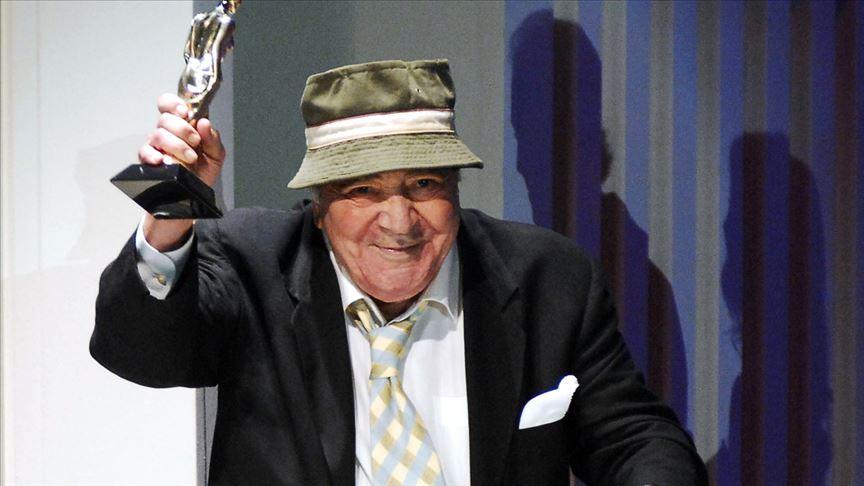



Birth | 1933, Akçaabat, Trabzon | ||||||||
|---|---|---|---|---|---|---|---|---|---|
Occupation(s) | Voice artist Meddah film and television actor Theater | ||||||||
First Play | Papaz Kaçtı (Haldun Dormen Cep Tiyatrosu-1955) | ||||||||
First Film | Yeşil Kurbağalar (1960) | ||||||||
Spouse(s) | Güneş Günaydın | ||||||||
Çocuk | Günfer Günaydın Fatoş Günaydın Ayşe Günaydın | ||||||||
Death | 15 October 2012, Istanbul | ||||||||
Place of Burial | Feriköy Cemetery, Istanbul | ||||||||
Some of His Films | Güneşi Gördüm, Nekrüt, Destere, O Kadın, Beyaz Melek, Geçmiş Zaman Olur ki, İntikam Yemini, İki Gemi Yan Yana, Yaman Gazeteci | ||||||||
Some of His TV Series | Akasya Durağı, Cennet Mahallesi, Mahallenin Muhtarları, Çiçek Taksi, Tatlı Kaçıklar, Doktorlar, İnsanlar Yaşadıkça | ||||||||
Some of His Theater Plays | Yorgun Matador Fişne Pahçesu Soyut Padişah Kahraman Bakkal Süper Markete Karşı Yaygara Yetmiş Devri Süleyman Kalbin Sesi Martı Ayı Masalı Altın Yumruk Müfettiş Zafer Madalyası Kleopatra'nın Mezarı | ||||||||
Erol Günaydın is recognized as an artist who, through more than fifty years of work in Turkish stage arts, merged the tradition of meddahlık with contemporary theatrical understanding. He became one of the most significant figures in Turkish theatre history through his mastery of meddahlık, character portrayal, voice work, and roles in television series.
Günaydın was born in 1933 in the Akçaabat district of Trabzon. His education began in Istanbul after his father, Kazım Bey, moved the family there for the children’s schooling. He studied at Galatasaray High School, where, during his school years, he first stepped onto the stage by organizing small satirical sketches mocking his teachers. It was during these years that he discovered his sense of humor and talent for imitation—experiences widely acknowledged as influential in his decision to pursue theatre. After high school, he passed the entrance examination for the Istanbul City Theatres and began his professional acting career.
The decision to turn to theatre was shaped with the support of his family, particularly strengthened by the school plays he watched during his time at Galatasaray High School and Istanbul’s rich cultural atmosphere. 【1】
Erol Günaydın’s Types of Laughter (TRT Archive)
Günaydın made his professional stage debut in 1955 in the play Papaz Kaçtı, staged by Haldun Dormen’s Cep Theatre. Following this, he continued performing in productions by Dormen Theatre and Istanbul City Theatres. In his early years of theatre, Günaydın later described the excitement he felt on stage with the words: “When the play ended, I was drenched in sweat and didn’t even understand what had happened.”
Throughout his artistic career, he shared the stage with leading actors of his time, including Tuncel Kurtiz, Suna Keskin, Erol Keskin, and Cahit Irgat.
In the 1960s, he turned to cinema, appearing first in the film Yeşil Kurbağalar. In 1967, he won the “Best Supporting Actor” award at the Antalya Golden Orange Film Festival for his role in Haldun Dormen’s film Güzel Bir Gün İçin.
He served both as an actor and administrator at Dormen Theatre and Genar Theatre, and took on the management of Akbank Children’s Theatre. He was remembered within theatre groups for his “diligence and commitment to the ensemble spirit.”
In addition to theatre acting, he participated in radio plays, television productions, and voice-over work; his distinctive vocal tone and speech style made him one of the leading voice artists of his era.
Erol Günaydın’s Meddah Performance (TRT Archive)
In the meddahlık tradition, the artist holds a stick in one hand and a large cloth over the shoulder, sitting on a chair in coffeehouses or similar public spaces to dramatize stories. The stick is struck against the floor during narration to capture the audience’s attention and signals the beginning of the performance. The same stick may also function symbolically as a rifle, broom, or horse within the narrative. The cloth is used as a headscarf to portray various characters, especially women or individuals from different ethnic groups. The performance typically concludes with the phrase: “Edeyim meclise bir kısa beyan, bu kıssadan hisse alan arif ola,” offering the audience a moral lesson.
Erol Günaydın is among the artists who brought the meddahlık tradition onto the modern theatre stage in the 20th century. Following Kavuklu Hamdi and İsmail Dümbüllü, he became a key preserver of this tradition, transforming the meddah narrative into a contemporary form by integrating it with the language of stage theatre. In his solo performances, he humorously explored everyday life, politics, and human relationships, translating folk storytelling into theatrical form.
Günaydın also introduced meddahlık to an international audience. In 2006, he represented Turkish meddahlık at the International Storytelling Festival in Warsaw, where audiences unfamiliar with Turkish language followed his performance with great interest, demonstrating the universal appeal of his storytelling.
In interviews, Günaydın noted that meddahlık was an economically viable form of theatre and that today’s so-called “stand-up” performances are a modern continuation of this tradition. 【2】
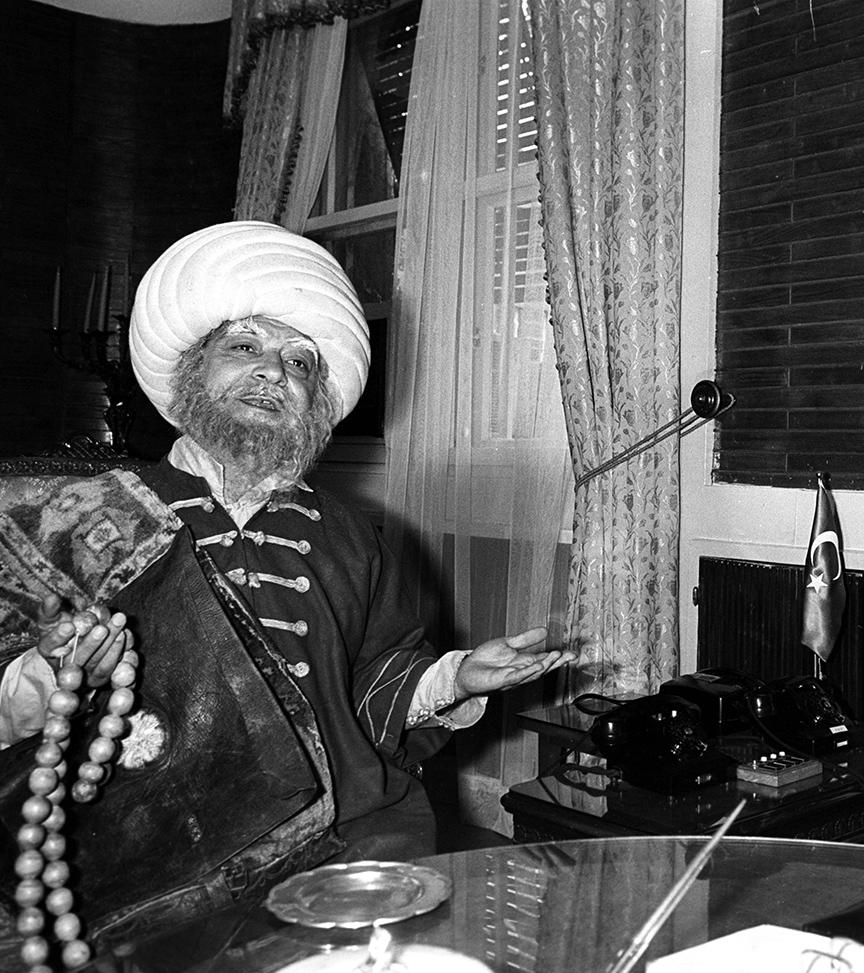
Erol Günaydın appeared in films of various genres from the 1960s onward. Among the films in which he performed are Yeşil Kurbağalar, Yaman Gazeteci, İki Gemi Yan Yana, Eşrefpaşalı, Düğün, Destere, Beyaz Melek, Güneşi Gördüm, Biz Doğarken Gülmüşüz, Hoşgeldin Ramazan, and İlk Aşk.
On television, he reached wide audiences through his performances in the series Mahallenin Muhtarları, Çiçek Taksi, Tatlı Kaçıklar, Cennet Mahallesi, and Akasya Durağı. The character he portrayed in the TRT-produced series Çiçek Taksi remains one of his most well-known roles on television.
Active also in voice-over art, Günaydın provided the voices for characters such as Yogi Bear, Bilbo Baggins in The Lord of the Rings, Carl Fredricksen in Up, and Abu Talib in the animated series Hz. Muhammed: Son Peygamber.
The artist married Güneş Hanım, whom he met during a tour in İzmir. From this marriage, three daughters—Ayşe, Fatoş, and Günfer—were born. He lived with his family in Istanbul.
Erol Günaydın passed away on 15 October 2012 in Istanbul, at the hospital where he was being treated for kidney failure. He was buried on 17 October 2012 at Feriköy Cemetery following the funeral prayer held at Teşvikiye Camii.
Anadolu Ajansı. “Meddahlık geleneğinin son temsilcilerinden: Erol Günaydın.” Accessed October 16, 2025. https://www.aa.com.tr/tr/kultur-sanat/meddahlik-geleneginin-son-temsilcilerinden-erol-gunaydin/2005856
Anadolu Ajansı. “Türk tiyatrosunun emektar sevdalısı: Erol Günaydın.” Anadolu Ajansı. Accessed October 16, 2025.
Dursun, Adem. Yaşamlarını Tiyatroya Adayanlar. Istanbul: PİA Yayınları, 2010.
Kaim, Agnieszka Aysen. “Meddah Geleneğinden Kültürlerarası Hikayeciliğe Uzanan Bir Serüven”. Tiyatro Araştırmaları Dergisi 30, no. 30 (December 2009): 111-22. Accessed October 16, 2025. https://dergipark.org.tr/tr/pub/tad/issue/11469/136720
TRT Arşiv. "Erol Günaydın - Meddah Gösterisi (1973)." YouTube. Accessed October 16, 2025. https://www.youtube.com/watch?v=6Efpzk9gw2Q
TRT Arşiv. "Siz Nasıl Gülüyorsunuz? | TRT Arşiv." YouTube. Accessed October 16, 2025. https://www.youtube.com/watch?v=trUhgTh1z1k
TRT Dinle. “Erol Günaydın.” TRT Dinle. Accessed October 16, 2025. https://www.trtdinle.com/cast/erol-gunaydin-20275307
[1]
Adem Dursun, Yaşamlarını Tiyatroya Adayanlar (İstanbul: PİA Yayınları, 2010)
[2]
Adem Dursun, Yaşamlarını Tiyatroya Adayanlar (İstanbul: PİA Yayınları, 2010)

Birth | 1933, Akçaabat, Trabzon | ||||||||
|---|---|---|---|---|---|---|---|---|---|
Occupation(s) | Voice artist Meddah film and television actor Theater | ||||||||
First Play | Papaz Kaçtı (Haldun Dormen Cep Tiyatrosu-1955) | ||||||||
First Film | Yeşil Kurbağalar (1960) | ||||||||
Spouse(s) | Güneş Günaydın | ||||||||
Çocuk | Günfer Günaydın Fatoş Günaydın Ayşe Günaydın | ||||||||
Death | 15 October 2012, Istanbul | ||||||||
Place of Burial | Feriköy Cemetery, Istanbul | ||||||||
Some of His Films | Güneşi Gördüm, Nekrüt, Destere, O Kadın, Beyaz Melek, Geçmiş Zaman Olur ki, İntikam Yemini, İki Gemi Yan Yana, Yaman Gazeteci | ||||||||
Some of His TV Series | Akasya Durağı, Cennet Mahallesi, Mahallenin Muhtarları, Çiçek Taksi, Tatlı Kaçıklar, Doktorlar, İnsanlar Yaşadıkça | ||||||||
Some of His Theater Plays | Yorgun Matador Fişne Pahçesu Soyut Padişah Kahraman Bakkal Süper Markete Karşı Yaygara Yetmiş Devri Süleyman Kalbin Sesi Martı Ayı Masalı Altın Yumruk Müfettiş Zafer Madalyası Kleopatra'nın Mezarı | ||||||||
Childhood and Education
Artistic Career
Meddahlık
Films
Personal Life
Death