


This article was automatically translated from the original Turkish version.
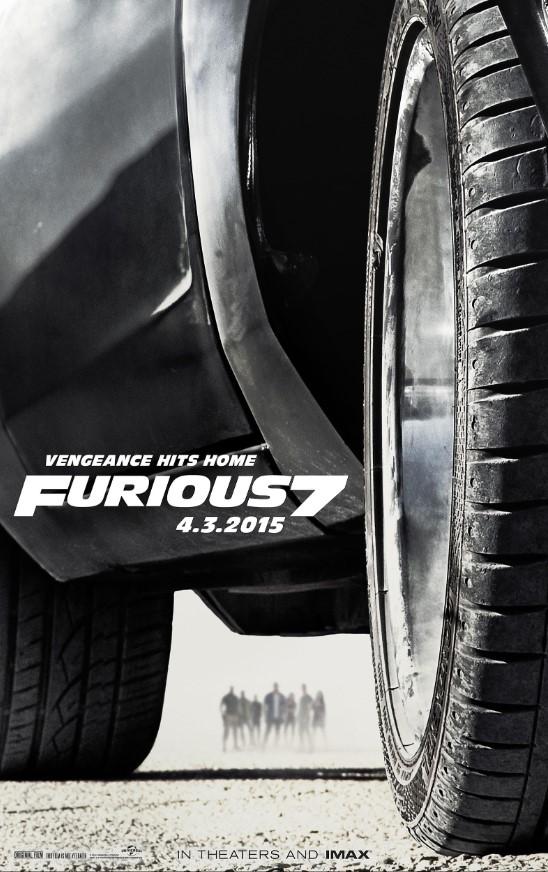
Fast and Furious is a 2015 American action and crime film. This seventh installment in the series is regarded in cinema history as important not only due to its narrative continuity with the previous films but also because of the death of its lead actor, Paul Walker. Produced by Neal H. Moritz and Vin Diesel, film pushes the visual and dramatic boundaries of the franchise through its technological production capabilities, expanded cast, and international operation themes.
The film begins with the emergence of Deckard Shaw, the vengeful brother of Owen Shaw, who was neutralized by Dominic’s team at the end of Fast and Furious 6. Deckard launches a personal campaign targeting members of the team, forcing Dominic Toretto and his allies to confront an international security threat. This threat is further complicated by “God’s Eye,” a high-tech surveillance system. Team works to track down Shaw while also attempting to seize control of the system before it falls into the hands of malicious forces.
The film is structured around themes of revenge, family bonds, loss, justice and individual sacrifice. Particularly, the emotionally charged farewell sequence integrated into the screenplay following Paul Walker’s death deepens the film’s thematic resonance.

Furious 7 (IMDb)
The film features Vin Diesel (Dominic Toretto), Paul Walker (Brian O’Conner), Michelle Rodriguez (Letty Ortiz), Jordana Brewster (Mia Toretto), Tyrese Gibson (Roman Pearce), Ludacris (Tej Parker), and Dwayne Johnson (Luke Hobbs) as part of the franchise’s core main cast place. Special additions to this entry include Jason Statham (Deckard Shaw) and Wolf Russell (Mr. Nobody), who introduce espionage and intelligence themes into the narrative. Due to Paul Walker’s passing, digital techniques were used to transfer his facial features onto his brothers Caleb and Cody Walker for certain scenes.
This installment of the franchise was directed by James Wan, who took over from Justin Lin. Wan is known for his work in the fear genre. The film draws attention through high-intensity fight sequences, complex chase scenes, and dramatic transitions in storytelling. Screenplay was written by Chris Morgan, one of the franchise’s long-standing writers. The screenplay unfolds along two primary axes: the personal revenge story (Deckard Shaw) and the global security threat (the God’s Eye technology). This structure merges espionage narrative with classical action elements.
The film’s cinematography was handled by Marc Spicer and Stephen F. Windon together. Action sequences employ drone-supported filming, high-resolution interior and exterior fast cameras, and CGI-enhanced scenes. Camera movements are designed to sustain the relentless energy of the characters. The farewell scene in Final enhances emotional intensity through slowed imagery and natural lighting.
Furious 7 Trailer (YouTube)
Filming took place in numerous locations including Los Angeles, Atlanta, Abu Dhabi, Colorado, Tokyo, and the Dominican Republic. This international scope supports the narrative’s theme of collective resistance against a global threat. Space design reflects both technological and cultural diversity. Transitions between hotels, intelligence centers, highways, and traditional American settings mirror the multifaceted relationships of the characters.
Furious 7 is regarded as one of the standout films in the franchise, both commercially and emotionally. Produced with a budget of approximately $190 million, the film earned over $1.5 billion worldwide, placing it among the highest-grossing action films of all time. The final scene, dedicated to Paul Walker, has secured a significant place in cinema history and reinforced the emotional foundation of the series. This film is not only viewed as an action movie but also as a tribute to a beloved actor.
Wiz Khalifa - See You Again (YouTube)

No Discussion Added Yet
Start discussion for "Fast and Furious 7 (Film)" article
Plot and Thematic Structure
Cast
Director and Screenplay
Cinematography and Visual Storytelling
Locations and Production Design
Cultural Impact and Box Office Success