

This article was automatically translated from the original Turkish version.
Scientific Name(s) | Vulpes zerda | ||||||||
|---|---|---|---|---|---|---|---|---|---|
Family | Canidae | ||||||||
Class | Mammals | ||||||||
Order | Carnivores | ||||||||
Size(s) | Body length 35–40 cm tail 18–30 cm | ||||||||
Weight(s) | 0.9–1.6 kg | ||||||||
Habitat | North African deserts sandy and semi-arid regions from Mauritania to the Sinai Peninsula | ||||||||
Lifespan | 10–12 years in the wild, up to 11 years in captivity | ||||||||
Conservation Status | Least Concern | ||||||||
The fennec fox (Vulpes zerda) is the smallest member of the Canidae family and a mammal adapted to desert life, inhabiting semi-arid regions of northern Africa, particularly the Sahara Desert and its surroundings. Nocturnal by nature, fennec foxes primarily feed on insects, rodents, and fruits, obtaining most of their water needs from these food sources. This monogamous species lives in complex burrow systems dug underground and is classified by the IUCN as “Least Concern”.
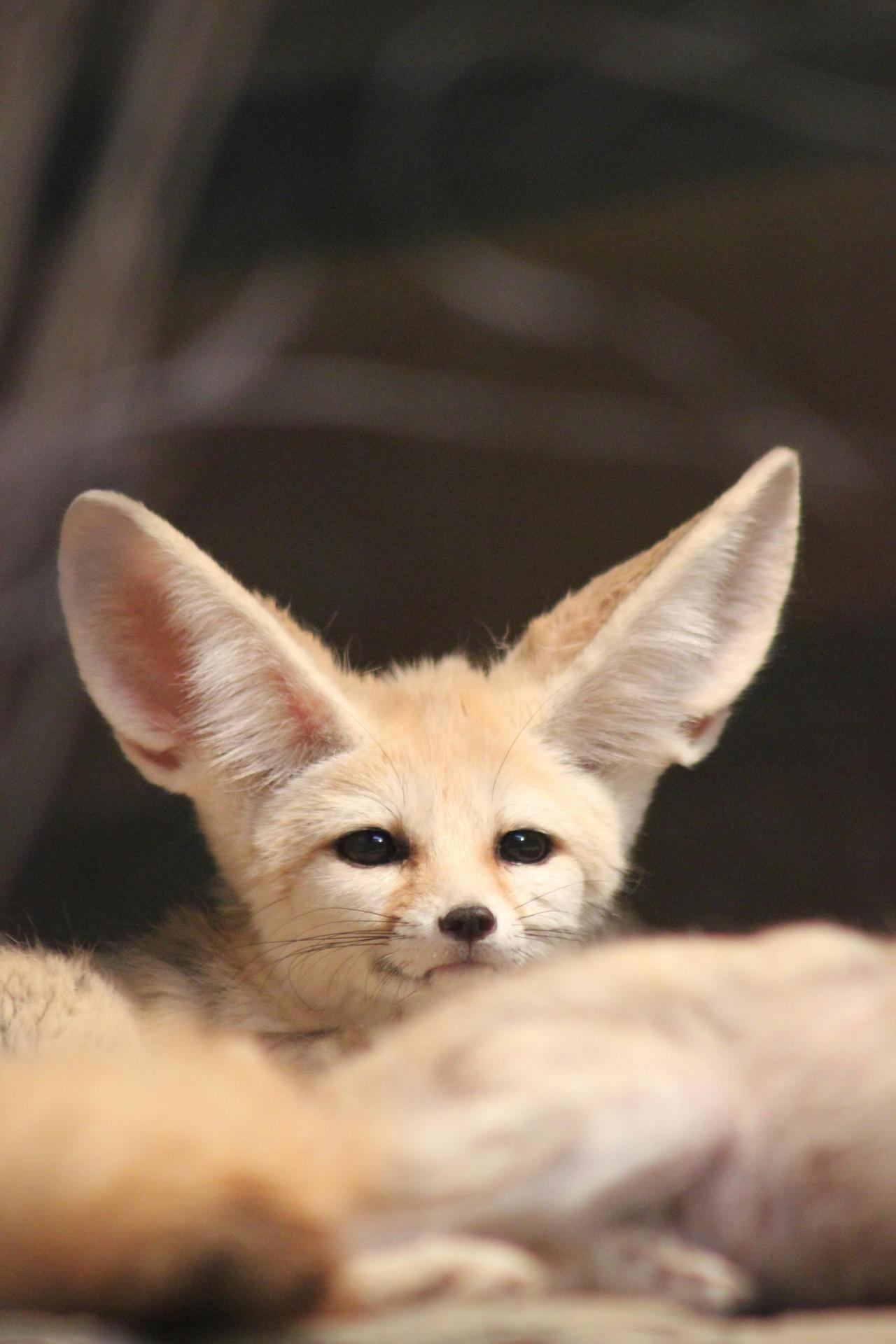
Body and head length ranges from 35 to 40 cm, with a tail length of 18 to 30 cm. Weight typically falls between 1.36 and 1.6 kg. Its most striking physical feature is its large ears, which can reach 10 to 15 cm in length. These ears aid in thermoregulation and enable the fox to detect prey buried beneath the sand. The fur is long, soft, and thick, ranging from cream to light brown, sometimes with reddish tones. The underparts are white, and the tail has a black tip. Thick fur on the soles of the feet provides insulation against hot sand and facilitates movement across desert terrain.
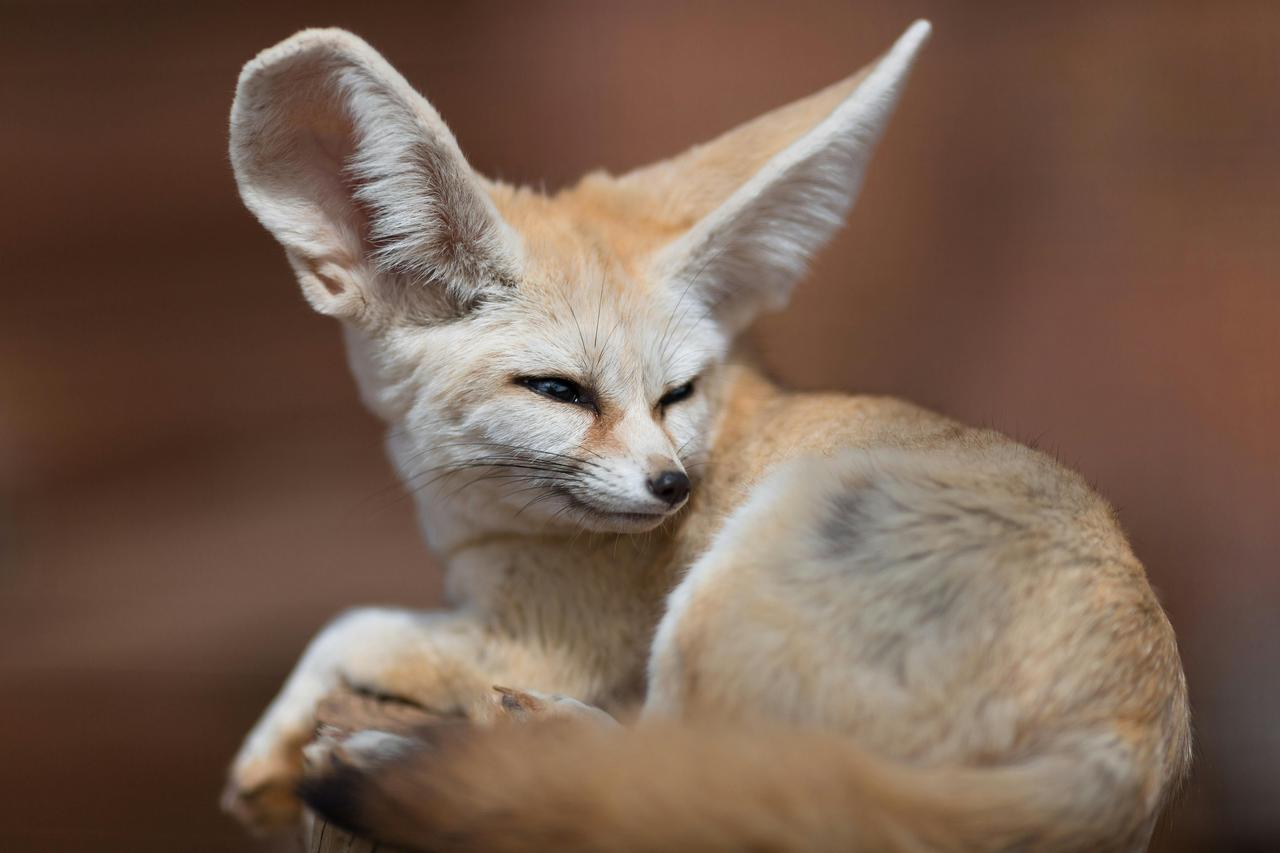
Fennec Fox (Pexels)
The fennec fox is found across nearly all of northern Africa and in some parts of the Middle East, with a wide distribution extending from Mauritania through the Sinai Peninsula to northern Saudi Arabia, primarily along the Sahara Desert. This species predominantly inhabits sandy deserts and semi-desert habitats, especially fixed dunes (ergs) and arid areas with sparse shrub cover.
During the hottest hours of the day, it rests in cool underground dens that can reach depths of up to 3 meters, emerging at night to hunt. Its burrows typically consist of multi-entry, branched tunnel systems that provide both thermal insulation and protection from predators.
The fennec fox is a nocturnal species; during the day it remains hidden in underground dens to avoid the extreme desert heat, and emerges at night to hunt and feed. Monogamous in structure, fennec foxes usually live in family groups of 2 to 10 individuals. While each individual maintains its own den, these dens are often located close together or interconnected.
Their vocal repertoire is highly developed; they communicate socially through barking, whining, howling, and chirping sounds. They also exhibit scent-marking behavior using feces and urine.
The fennec fox is omnivorous, feeding on insects (especially grasshoppers), rodents, lizards, birds, eggs, and various plant materials such as fruits and roots. It obtains most of its water requirements from its food and rarely drinks free water. It hunts at night, using its large ears to detect prey and its forepaws to dig it out from beneath the sand.
The breeding season typically occurs between January and February. Gestation lasts approximately 50 days, resulting in litters of 2 to 5 pups. Pups are born blind, with their eyes opening between 8 and 11 days after birth. The nursing period lasts 9 to 11 weeks, and pups reach sexual maturity at around 10 months of age.
The fennec fox (Vulpes zerda) is classified by the International Union for Conservation of Nature (IUCN) as “Least Concern”. The species’ overall population is stable and it has a broad geographic range. However, it faces local threats including habitat loss, illegal pet trade, and hunting for its fur, particularly in northern Africa.
The fennec fox is legally protected in countries such as Morocco, Algeria, Tunisia, and Egypt. It is also listed on CITES Appendix II, which imposes specific restrictions on international trade. Due to its important role in maintaining the natural balance of desert ecosystems, this species is closely monitored at both local and international levels.
Pexels. “Bir Fennec Tilkisinin Yakın çekim Portresi JPG.” Pexels. Accessed June 23, 2025. https://www.pexels.com/tr-tr/fotograf/bir-fennec-tilkisinin-yakin-cekim-portresi-29090608/
Pexels. “Fennec Fox'un Başı JPG.” Accessed June 23, 2025. https://www.pexels.com/tr-tr/fotograf/fennec-fox-un-basi-26623844/
San Diego Zoo Wildlife Alliance. "Fennec Fox." *San Diego Zoo Wildlife Alliance Animals & Plants.* Accessed June 23, 2025. https://animals.sandiegozoo.org/animals/fennec-fox
SeaWorld Parks & Entertainment. "Fennec Fox: Facts & Information." SeaWorld.org. Accessed June 23, 2025. https://seaworld.org/animals/facts/mammals/fennec-fox/
Smithsonian's National Zoo & Conservation Biology Institute. "Fennec Fox." NationalZoo.SI.edu. Accessed June 23, 2025. https://nationalzoo.si.edu/animals/fennec-fox
World Wildlife Fund. "Species Spotlight: Fennec Fox." WorldWildlife.org. Accessed June 23, 2025. https://www.worldwildlife.org/pages/species-spotlight-fennec-fox

Scientific Name(s) | Vulpes zerda | ||||||||
|---|---|---|---|---|---|---|---|---|---|
Family | Canidae | ||||||||
Class | Mammals | ||||||||
Order | Carnivores | ||||||||
Size(s) | Body length 35–40 cm tail 18–30 cm | ||||||||
Weight(s) | 0.9–1.6 kg | ||||||||
Habitat | North African deserts sandy and semi-arid regions from Mauritania to the Sinai Peninsula | ||||||||
Lifespan | 10–12 years in the wild, up to 11 years in captivity | ||||||||
Conservation Status | Least Concern | ||||||||
No Discussion Added Yet
Start discussion for "Fennec Fox (Vulpes zerda)" article
Morphological Characteristics
Distribution and Habitat
Behavior and Ecology
Diet
Reproduction
Conservation Status