

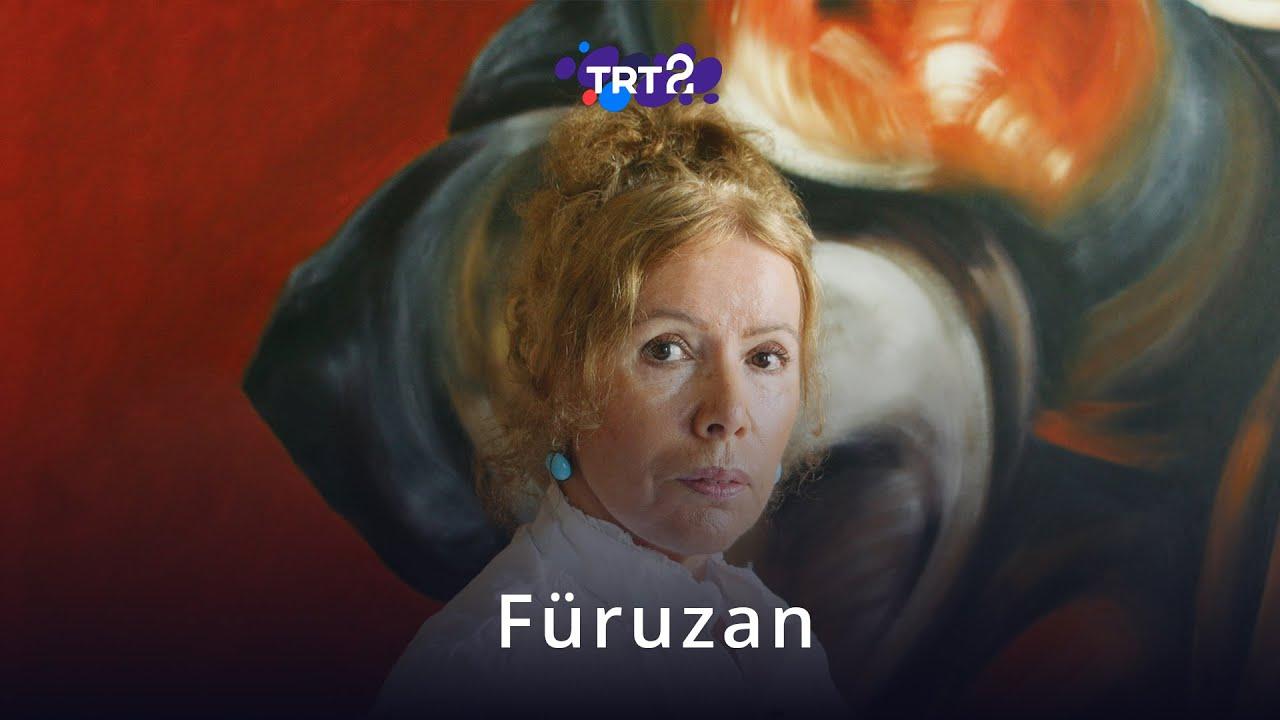

Doğum tarihi | 1932-10-29 | ||||||||
|---|---|---|---|---|---|---|---|---|---|
Eş | Turhan Selçuk | ||||||||
Place of Death | Istanbul | ||||||||
Ölüm tarihi | 2024-02-11 | ||||||||
Place of Birth | Istanbul | ||||||||
Profession(s) | Writer Director Screenwriter Poet Short Story Writer | ||||||||
Literary Period | Republican Era – Social Realist Style | ||||||||
Literary Genres | Short Story, Novel, Poetry, Essay, Screenplay | ||||||||
Çocuk | Aslı Selçuk | ||||||||
Füruzan lost her father at a young age. She spent her childhood in Kasımpaşa, in a multi-story house inhabited by poor families from different backgrounds. Growing up in an environment where both Nevruz and Hıdırellez were celebrated due to her parents’ differing cultural origins, she experienced this cultural diversity firsthand. Although her mother came from a wealthy family, Füruzan later encountered poverty. She attributes the primary source of human compassion in her stories to her grandmother, whom she remembers with tears, recalling the tenderness they shared. She notes that her grandmother, who lived beyond the age of ninety, could not speak Turkish well. She also fondly remembers her uncle, stating that she witnessed the power of love through her grandmother’s struggle against poverty.
Füruzan’s artistic inclinations were recognized during childhood, but no one was available to guide her talents due to financial hardship. In her childhood and early youth, she engaged with painting and music, sang songs, and created drawings. It is known that she briefly befriended the renowned painter Nuri İyem, though she did not continue these activities. After elementary school, she did not pursue formal education but instead built her intellectual foundation through personal effort, reading everything she could find with curiosity. She began reading world classics at an early age and was particularly struck by the miners in Émile Zola’s novel Germinal, noting that poverty and suffering left deep impressions on her worldview. After deciding she would not achieve anything significant in painting, she chose writing. She received training in conservatory, theater, and radio, but did not complete any of these programs.
Füruzan felt intuitively that her decision to become a writer was the right one. In 1956, she published her first stories under the pseudonym F. Yerdelen in Seçilmiş Hikâyeler Dergisi. In 1958, she married the cartoonist Turhan Selçuk. With his support, her story “Su Ustası Miraç” was published in Yeni Dergi. In 1971, she won the Hikâye Armağanı with her work “Parasız Yatılı,” establishing herself as a significant figure in Turkish literature. The award was celebrated with the hope that this work would positively influence her future writings. The author regarded her earliest stories as youthful enthusiasms and sought to draw a clear boundary between them and her later work. She experienced a brief hiatus from literature during the 1960s.
Füruzan draws attention in her works to the dynamic structure of Turkish society, particularly the phenomenon of migration. Her stories commonly explore poverty, migration, fallen women, homelessness, class differences, distorted family relationships, and love. She stands alongside the most vulnerable segments of society, especially children. Her literature has strong roots in real life; her works never sever their connection to reality. With her work Balkan Yolcusu, she portrayed the effects of war, poverty, and violence with unflinching honesty. Füruzan invites readers to participate in the interpretation of her works and often leaves the endings of her stories open-ended. She preferred to be a witness rather than a judge, emphasizing the difficulty of this stance. She observes that contemporary literary works are numerous in quantity but lacking in quality. She believes a writer can successfully write about experiences they have never lived (citing Balzac as an example).
Füruzan has produced works in many genres, including short stories, novels, theater, and poetry.
Füruzan’s relationship with cinema is distinct; she professionally wrote screenplays and directed films. The film Ah Güzel İstanbul, directed by Ömer Kavur, was inspired by her story of the same name and won first prize at the 1981 Antalya Film Festival. Her work Gecenin Öteki Yüzü was adapted into a film toward the end of the 1980s and was selected as the best series in 1986. “Benim Sinemalarım” was adapted into a screenplay in 1989 and filmed in 1990. It was screened at film festivals in Canada, France, and Türkiye, won an award at the 1990 Cannes Film Festival, received the “Crystal Bird” award at the 1991 Tehran Film Festival, and was honored with the “Best First Film” award at the Iranian Fajr Film Festival. It also received Honorary Diplomas from sixteen countries, including Japan, Greece, Finland, and India. She is also a director, screenwriter, and film critic.
Google Images. "Füruzan Portresi." Accessed July 1, 2025. https://encrypted-tbn0.gstatic.com/images?q=tbn:ANd9GcQsa1Xj3Y7MAQQn5dib6z3sDwCdcOyaeQtHng&s
YouTube Image. "Füruzan’a Ait Bir Video Görseli." Accessed July 1, 2025. https://i.ytimg.com/vi/rSEEnCn4wpw/maxresdefault.jpg
Öztürk, Yakup. "Füruzan." Teis.yesevi.edu.tr. Accessed July 1, https://teis.yesevi.edu.tr/madde-detay/furuzan.
Şen, Nurcan. 2006. *Füruzan’ın Hayatı ve Edebî Eserleri*. PhD thesis, Ankara: Gazi Üniversitesi Sosyal Bilimler Enstitüsü. https://tez.yok.gov.tr/UlusalTezMerkezi/tezDetay.jsp?id=Jflr8Lze2vlDik6U-79AIA&no=heW13ZjXRfTSw3H2T92wrg

Doğum tarihi | 1932-10-29 | ||||||||
|---|---|---|---|---|---|---|---|---|---|
Eş | Turhan Selçuk | ||||||||
Place of Death | Istanbul | ||||||||
Ölüm tarihi | 2024-02-11 | ||||||||
Place of Birth | Istanbul | ||||||||
Profession(s) | Writer Director Screenwriter Poet Short Story Writer | ||||||||
Literary Period | Republican Era – Social Realist Style | ||||||||
Literary Genres | Short Story, Novel, Poetry, Essay, Screenplay | ||||||||
Çocuk | Aslı Selçuk | ||||||||
Education and Artistic Interests
Writing Career
Artistic Vision and Themes
Major Works
Cinematic Works and Awards