


This article was automatically translated from the original Turkish version.
+1 More
Gümeli Nature Monument is located within the forested areas of the Gümeli village, in the Alaplı district of Zonguldak Province. The area was designated as a “Nature Monument” on 11 March 2008 by the General Directorate of Nature Conservation and National Parks under the Republic of Türkiye Ministry of Agriculture and Forestry. The total area of the nature monument has been determined as approximately 2550 decares (398 hectares). Gümeli Nature Monument is situated 78 kilometres from the centre of Zonguldak Province and 25 kilometres from the centre of Alaplı District.
Gümeli Nature Monument is particularly notable for the ancient yew trees (Taxus baccata L.) it contains. One of the yew individuals identified in the area has been dated to 4112 years old, while another has been determined to be 4120 years old. These individuals are among the oldest officially recorded trees in Türkiye. Additionally, numerous other yew trees with ages ranging between 300 and 500 years are present in the area.
Yew trees are a slow-growing species that prefer shaded and moist environments and possess toxic leaves. They are rarely found within the Western Black Sea ecosystem. The area where these trees grow hosts a mixed forest formation that also includes species such as hornbeam, chestnut, and oriental beech.
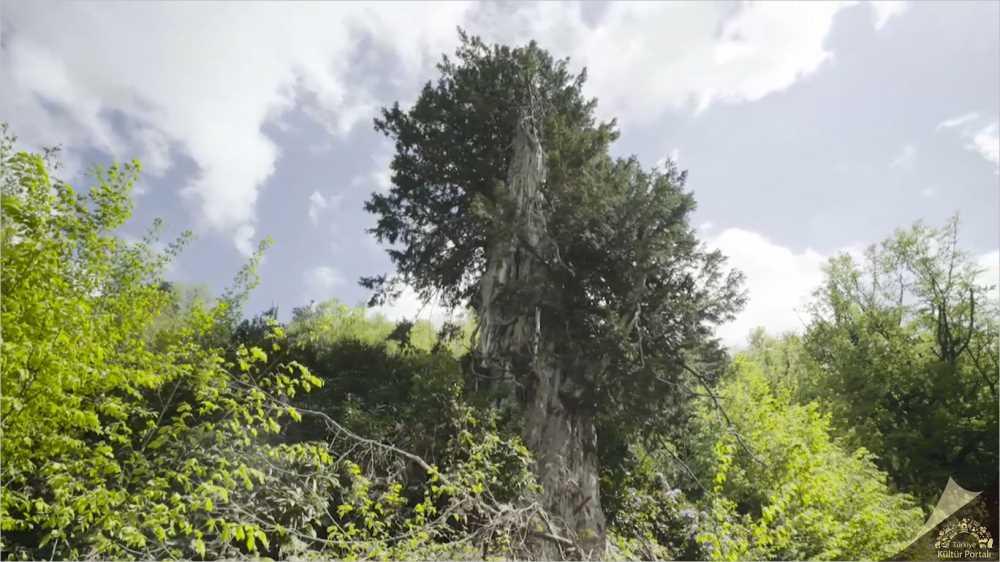
Gümeli Nature Area (Culture Portal)
Gümeli Nature Monument is an ecosystem characterized by the natural ancient forest structure unique to the Western Black Sea region. The forested area stands out for its rich flora and diverse fauna. Among the mammal species found in the area are brown bear, wolf, jackal, fox, yew, roe deer, wild boar, squirrel and tree squirrel. Bird species such as woodpecker, owl and goshawk are also present.
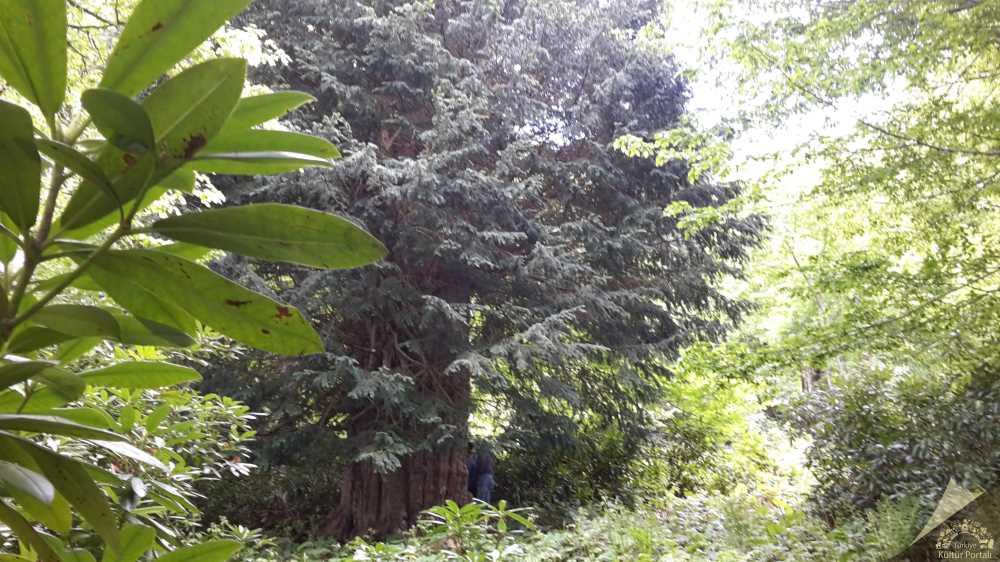
Gümeli Nature Area (Culture Portal)
The nature monument is situated at the intersection of different geological formations and exhibits significant geomorphological diversity. The topography of the area is sloped, contributing to the formation of surface waters. Stream channels fed by rainfall and groundwater sources play a key role in shaping the local microclimate, which supports the development of long-lived yew individuals that thrive in moist conditions.
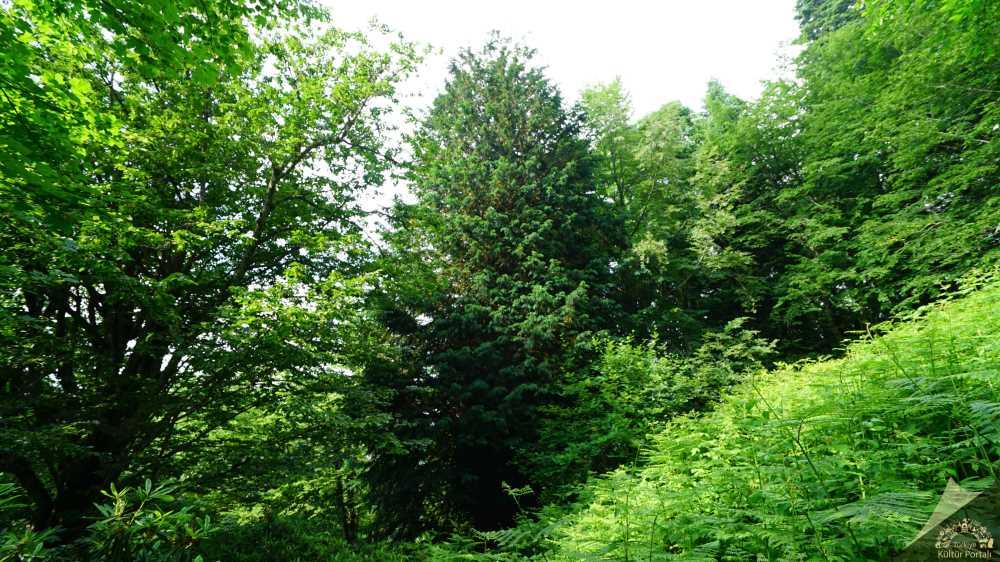
Gümeli Nature Area (Culture Portal)
Gümeli Nature Monument is one of 105 natural areas in Türkiye designated as a Nature Monument. Its conservation is carried out in accordance with management plans prepared by the General Directorate of Nature Conservation and National Parks. Within this framework, data on flora and fauna observations, visitor monitoring and land use are regularly recorded. To enable controlled visitor access, observation terraces, walking trails, directional signage and parking areas have been established.

Gümeli Nature Area (Culture Portal)
To inform and educate visitors, a Visitor Centre project has been planned within the Gümeli Village Square. This centre is intended to include nature observation areas, environmental education and interpretation rooms. The construction of these facilities aims to use local materials such as wood and stone to ensure harmony with the natural environment.

No Discussion Added Yet
Start discussion for "Gümeli Natural Area" article
Old Yew Trees and Ecological Value
Natural Structure and Biological Diversity
Geological and Hydrological Features
Protection Status and Management Practices
Visitor Access and Education-Oriented Facilities
