

This article was automatically translated from the original Turkish version.
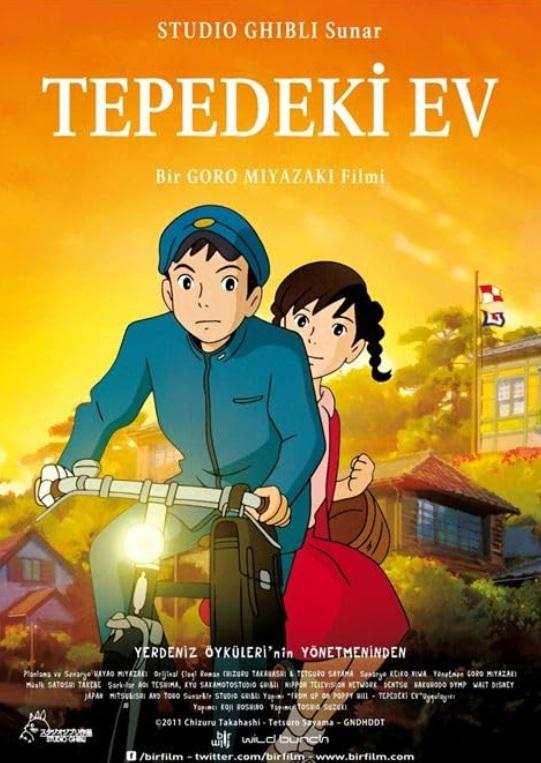
The Wind Rises (Kokuriko-zaka kara), a 2011 Japanese animated film produced by Studio Ghibli and directed by Gorō Miyazaki. The film is set in Yokohama, Japan, as the country prepares for the 1963 Tokyo Olympics. The story revolves around Umi and Shun, two high school students who join forces to save their school’s dilapidated student club building. As they work together, their bond deepens, and they confront an unexpected secret tied to their pasts. The film explores themes of youth solidarity and coming to terms with personal history.
In Yokohama in 1963, high school student Umi raises signal flags each morning to honor her father. A quiet and responsible young woman, Umi meets Shun, president of the school newspaper, who introduces her to the “Latin Quarter,” a historic student club building where various activities once took place but which now faces demolition. Together with other students, Umi and Shun launch a campaign to save the building. As they grow closer, a family secret emerges that complicates their relationship.
The film addresses the preservation of personal memory and heritage within Japan’s process of modernization. Central themes include family bonds, a sense of belonging, the value of historical legacy, and the dedication of youth. Love, identity exploration, and the power of collective action are also prominently featured.
The Wind Rises Trailer (Crunchyroll Store Australia)
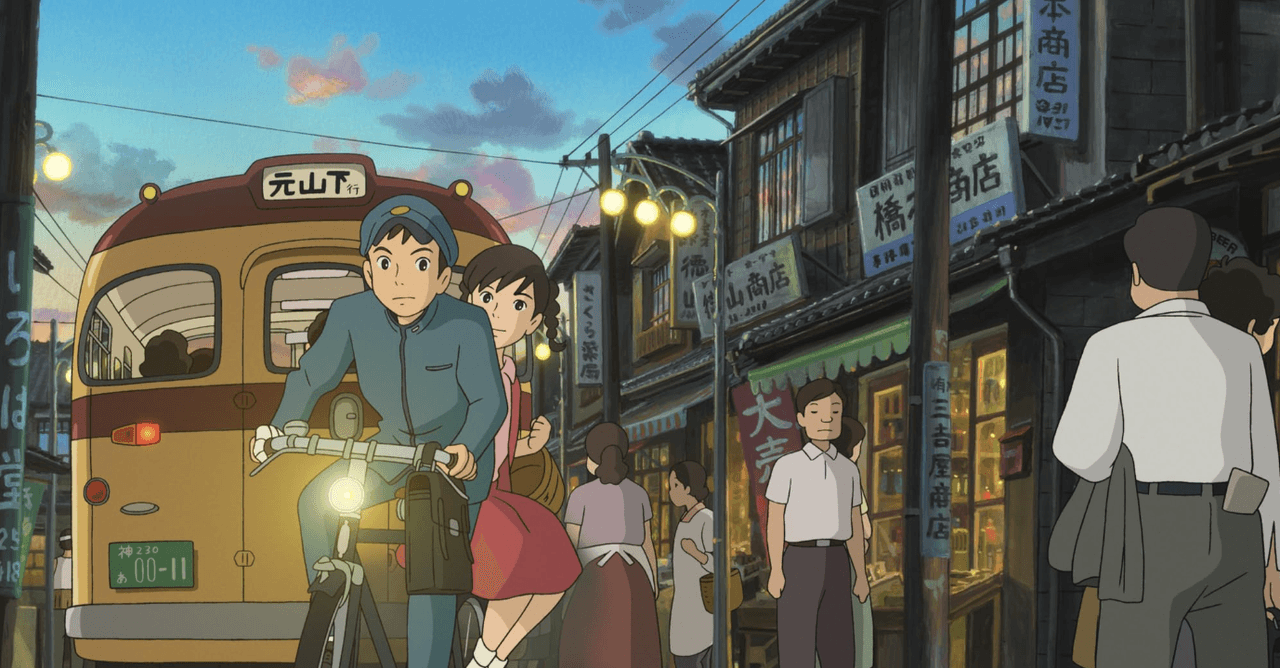
Umi and Shun Animation Scene (iMDb)
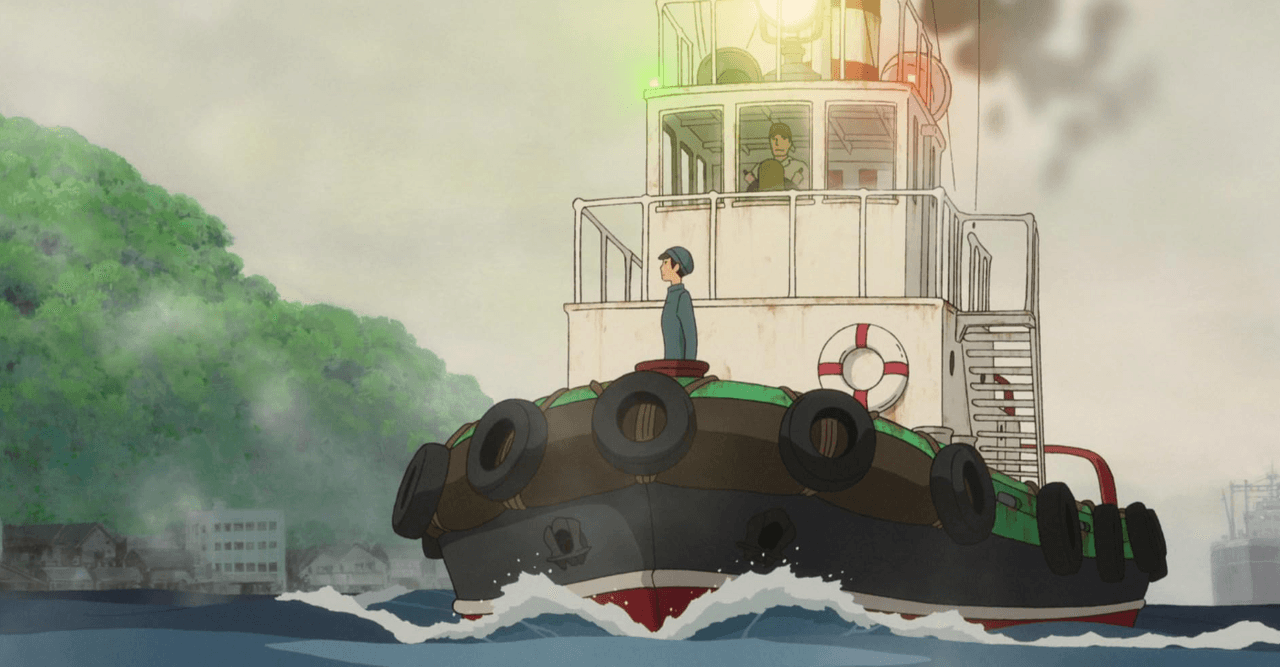
Animation Scene (iMDb)
The film was produced by Studio Ghibli in Japan. Directed by Gorō Miyazaki, the screenplay was adapted by Keiko Niwa from a story by Hayao Miyazaki. Producers include Nippon Television Network and Dentsu. It was released in Japan on 16 July 2011. The original language is Japanese and the film runs for 1 hour and 31 minutes.
The Wind Rises (2011) became the highest-grossing animated film of the year in Japan, earning ¥4.46 billion (US$61.5 million), surpassing Pokémon productions. However, it earned only approximately US$1 million in the United States and Canada. Globally, it ranked among Studio Ghibli’s successful films.
The film won the Best Animated Film award at the 35th Japan Academy Prize. At the 2012 Tokyo Anime Award, it received the honors for Animation of the Year and Best Film Music. It received a total of 11 nominations at international festivals including Annecy, Toronto, Saturn, and Annie Awards. The film was nominated for Best Animated Feature at the 40th Saturn Awards and the 40th Annie Awards, and also received an Annie nomination for Best Writing.
IMDb. "Tepedeki Ev (2011) - Film Afişi." Accessed June 9, 2025. https://www.imdb.com/title/tt1798188/mediaviewer/rm651041793/
IMDb. "Tepedeki Ev (2011) - Görsel: Animasyondan sahne." Accessed June 9, 2025. https://www.imdb.com/title/tt1798188/mediaviewer/rm2173939201/
IMDb. "Tepedeki Ev (2011) - Görsel: Umi ve Shun animasyon sahnesi." Accessed June 9, 2025. https://www.imdb.com/title/tt1798188/mediaviewer/rm2627972096/
IMDb. "Tepedeki Ev Plot Summary." Accessed June 9, 2025. https://www.imdb.com/title/tt1798188/plotsummary/?ref_=tt_stry_pl
IMDb. "Tepedeki Ev." Accessed June 9, 2025. https://www.imdb.com/title/tt1798188/
Youtube Kanalı. "Tepedeki Ev (2011) Fragman [Japonca]." Accessed June 9, 2025.

No Discussion Added Yet
Start discussion for "House on the Hill (Animation)" article
Plot
Themes
Characters and Voice Cast
Production
Box Office Performance
Awards and Nominations