This article was automatically translated from the original Turkish version.
+2 More
Original Name(s) | Man and His Symbols | ||||||||
|---|---|---|---|---|---|---|---|---|---|
Author(s) | Carl Gustav Jung | ||||||||
Contributors | J. Jacobi A. Jaffé J. L. Henderson M. L. von Franz | ||||||||
Publication Year | 1964 | ||||||||
Type(s) | Psychology/Analytical Theory | ||||||||
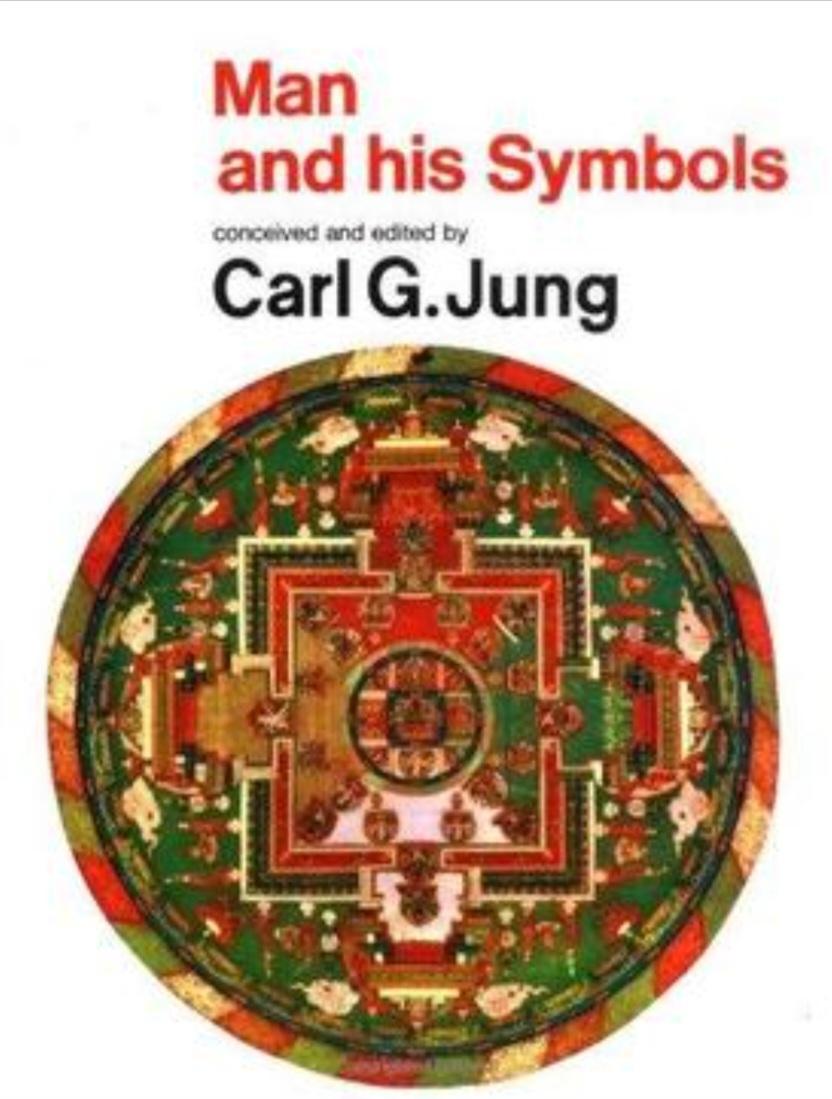
Man and His Symbols is a comprehensive psychology book edited by Swiss psychiatrist and founder of analytical psychology Carl Gustav Jung, exploring the role of symbols in the human unconscious. First published in 1964, the work is one of Jung’s efforts to reach both academic circles and a broad readership. In addition to Jung, important Jungian psychologists including Marie-Louise von Franz, Joseph L. Henderson, Aniela Jaffé and Jolande Jacobi contributed to the book.
The book presents Jung’s fundamental psychological theories—the collective unconscious, archetypes, and symbols—in a clear and visually illustrated manner. Jung asserts that the unconscious expresses itself through symbols, which carry universal meanings rather than personal ones.
According to Jung, each individual carries not only their own personal past but also the psychological heritage of human history. Within the collective unconscious lie universal representations such as “mother,” “shadow,” and “hero” (archetypes), which emerge through dreams, art, mythology, and religious symbols.
One of the book’s key sections is its of dreams psychological analysis. Jung argues that dreams contain symbols that help us understand our hidden aspects and inner conflicts. Dreams provide access not only to the personal unconscious but also to the collective unconscious.
Carl Gustav Jung – The Approach to the Unconscious: Discusses the impact of psychological symbols on modern humanity.
Marie-Louise von Franz – Individual Development: Explains the role of Archetypes in the psychological development of the individual.
Joseph L. Henderson – Archetype and the Transformation of the Individual: Explains individual development through the hero archetype.
Aniela Jaffé – Symbols in Daily Life: The manifestation of symbols in everyday life through dreams and art.
Jolande Jacobi – The Personal Unconscious and Wholeness: The role of symbols in fostering a sense of wholeness within the individual.
Man and His Symbols holds great importance as the only work by Jung that simplifies his complex psychological theories for the general reader. The book offers a powerful resource for understanding the inner world of the individual through dream analysis, the collective unconscious, and symbols. It also demonstrates how psychology interweaves with disciplines such as art, mythology, and religion. Today, it is widely used as a reference in many fields including psychotherapy, art therapy and cultural analysis.
Jacobi, Jolande. C.G. Jung’un Psikolojisi. Çev. Eylem Şimşek. İstanbul: Pinhan Yayıncılık, 2018.
Jung, Carl Gustav. Man and His Symbols. New York: Dell Publishing, 1964.
Jung, Carl Gustav. İnsan ve Sembolleri. Çev. Hatice Mukaddes İlgün. İstanbul: Kabalcı Yayınları, 1995.
Von Franz, Marie-Louise. Arketipler ve Kolektif Bilinçdışı. Çev. Ayşe Yalın. İstanbul: Kabalcı Yayınları, 2004.

Original Name(s) | Man and His Symbols | ||||||||
|---|---|---|---|---|---|---|---|---|---|
Author(s) | Carl Gustav Jung | ||||||||
Contributors | J. Jacobi A. Jaffé J. L. Henderson M. L. von Franz | ||||||||
Publication Year | 1964 | ||||||||
Type(s) | Psychology/Analytical Theory | ||||||||
No Discussion Added Yet
Start discussion for "Human and Its Symbols (Book)" article
Contents of the Book
The Concept of Symbol and the Unconscious
The Collective Unconscious and Archetypes
The Meaning of Dreams
Sections and Contributors
Impact and Significance